
Croatia · Ruin
Cetin Castle
Cetin is a hilltop medieval fortress in present-day Croatia, long held by the Frankopan family and later part of the Habsburg–Ottoman frontier. It is historically notable as the site where Croatian nobles elected Ferdinand I Habsburg as king in 1527. The castle was repeatedly damaged in frontier warfare and long since abandoned; today only substantial ruined stretches of wall and tower bases remain.
First raised
1400
Its prime
1527
Today
Ruin
As it stood in 1527
What Cetin Castle looked like in its prime.
Sited on a grassy hilltop ridge, Cetin presents low, rough stone curtain walls built of mixed rubble and coursed ashlar with areas of thicker masonry where towers rose. Two truncated, rounded tower stubs flank a slightly sunken central plateau; a tall flagpole stands on the summit. The ruin is composed of pale grey limestone and darker rubble infill, the wall tops uneven but continuous in outline, with vegetation on slopes and in crevices. At its prime the walls would have closed a compact central bailey on the hill.
Its story
The story of Cetin Castle.
In 1387 King Sigismund donated Cetin to Ivan of Krk, and the castle became the property of the Frankopan family; in the 15th century the Cetinski branch of the family was formed. After Franjo Frankopan, last of the Cetinski line, the fortress passed to the Frankopan Slunjski family.
Cetin holds a singular place in Croatian national history: here in 1527 the Croatian nobility elected Ferdinand I Habsburg king of Croatia, and from that moment Croatia remained part of the Habsburg Monarchy until the end of the First World War.
A Franciscan monastery of St Mary and several churches once stood close to the castle; after the siege of 1790 the Austrians used the remains of the old monastery to repair the fort's fortifications. Repeatedly damaged in frontier warfare and long since abandoned, Cetin survives as substantial ruined stretches of wall and tower bases above the village of Podcetin.
Step inside
6 places to explore in 1527.
The record describes 6 distinct spots at Cetin Castle, including 1 interior: inner bailey courtyard (interior). Create your own photoreal reconstruction and explore every one, more scenes means more rooms, more angles, and more of the place to stand in.
Build Your Own Castle
Recreate Cetin Castle with AI to explore it.
The artist rebuilds it as it stood in 1527, a photoreal reconstruction that belongs to you alone. Pay with coins, no subscription needed.
Recreate this castle →Defend this castle →Whose castle
Clans who held Cetin Castle.
The families that held Cetin Castle for a decade or more across its history, follow a name to its clan.
Frankopan
Held by the Frankopans from 1387, when King Sigismund donated Cetin to Ivan of Krk, first through the Cetinski branch, then the Frankopan Slunjski line.
From the archive
Cetin Castle on paper: the measured plan and period views.
The survey plan and photographs below are the ground truth this page's reconstructions are checked against, drawn and photographed while the castle was still a working garrison. Every image is public-domain or openly licensed, with its source named.
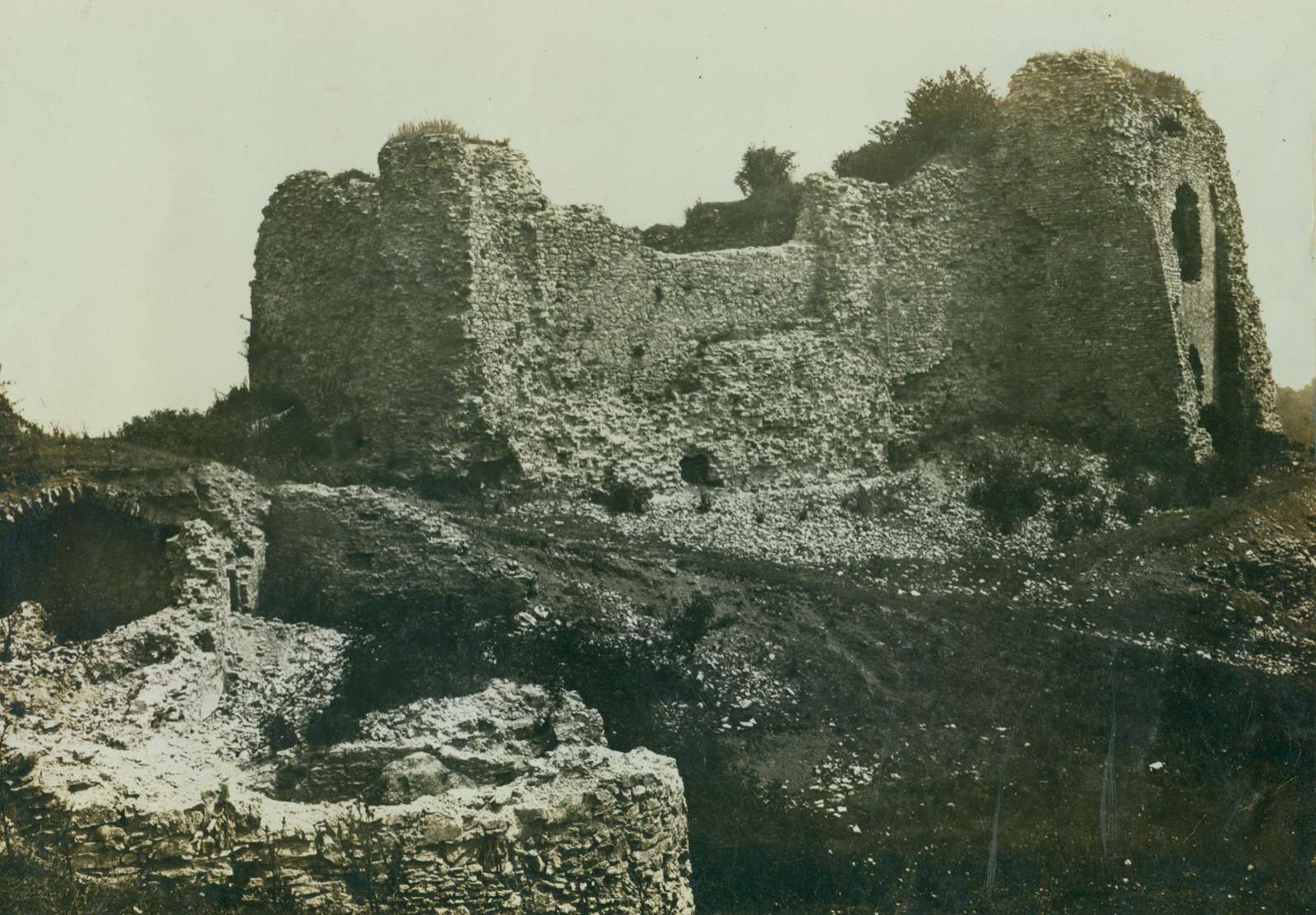
Cetin - Detalj starog grada: Drenđula
1908 · Ministry of Culture and Media of the Republic of Croatia (via Europeana)
Public domain
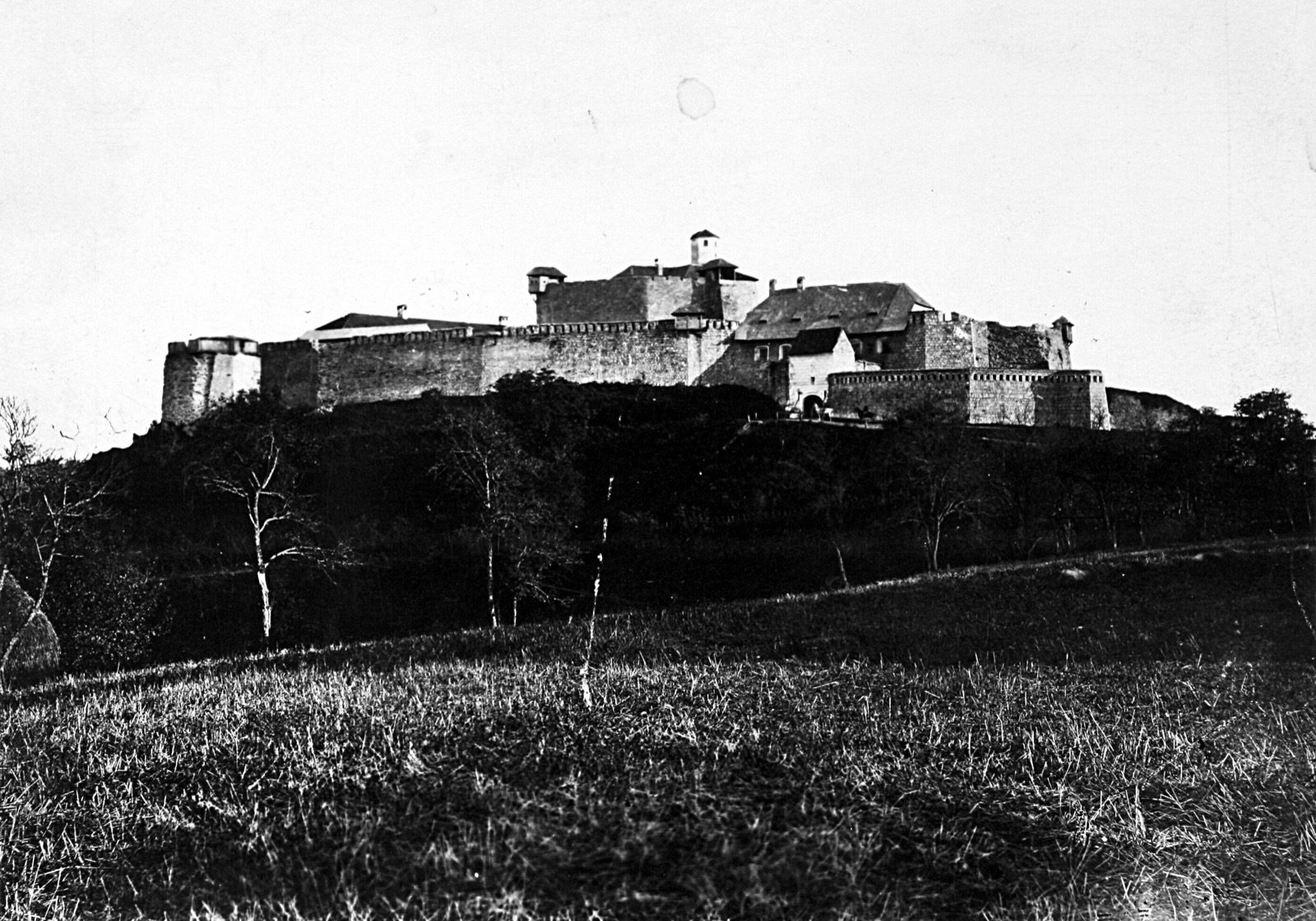
Cetin, grad srednjovjekovni, pretvoren u tursku tvrđu, a kasnije u krajišku kasarnu
1866 · Ministry of Culture and Media of the Republic of Croatia (via Europeana)
Public domain


