
France · Ruin
Château de Beaufort
The Château de Beaufort is a ruined medieval fortress perched on a rocky headland above the upper Loire near Goudet in Haute-Loire, France. Built in the 13th century and altered in the 15th and 16th centuries, it survives as a shell with parts of its enceinte, towers and residence visible in the ruins and is listed as a monument historique.
Its prime
1560
Today
Ruin
As it stood in 1560
What Château de Beaufort looked like in its prime.
Perched on a granitic promontory, the castle presents a rough pale-grey stone curtain wall with a pronounced curved bastion and several tall, narrow ruined tower stacks pierced by window and gun openings; roofs are gone and interiors open to the sky. The fortification sits directly above exposed granite outcrops and scrubby vegetation, with a low wooden fence along the upper path; masonry shows coursed rubble and patches of later repair.
Its story
The story of Château de Beaufort.
The Square Castle Above Four Valleys, c.1200
The castle was raised around 1200 on a rocky peak above the granitic rocks of the Margeride, on the banks of the upper Loire and the Fouragette stream near Goudet in the Haute-Loire. It was built for surveillance and domination of the Loire valley, commanding four valleys at once, and every approach to Goudet lay under it. It belonged to the old lords of Beaufort.
From the start the castle was of square plan, with a courtyard occupied on the south side by a residence. An enceinte ran round the fortress halfway up the hill, and remnants of an arched room and a chimney survive at the north-east.
Sieges, Artillery and the Wars of Religion
Beaufort was besieged several times, notably by the English during the Hundred Years' War, and it held military importance both then and during the Wars of Religion. The enceinte was partly rebuilt in the 15th century, and a tower was strengthened internally with a lining wall and pierced with openings for archers and for cannon.
The castle is an instructive case of a 13th-century feudal castle adapted to changing military engineering, particularly to the development of artillery.
Antoine de la Tour's Additions, 16th Century
In the 16th century Antoine de la Tour added a tower at the north-western corner and a large horseshoe-shaped tower at the south-western corner, along with further walling. Parts of that work remain on the north and south sides, the southern stretch carrying a corner tower.
From the Lady of Beaufort to Stevenson's Passing, 1700s-1879
A lady of Beaufort was still living in the house in the 18th century. The building was called the château de Beaufort until the Revolution, after which it took the name château de Goudet, and it had fallen to ruin by the early 19th century. The gradual abandonment that followed the Revolution reduced it to that state, and its stones went not to revolutionary fury but to villagers helping themselves to the material, dressed stone for preference, for new work of their own.
Robert Louis Stevenson came past on the journey he recorded in Travels with a Donkey in the Cévennes (1879): "I came down the hill to where Goudet stands in a green end of a valley, with Château Beaufort opposite upon a rocky steep, and the stream, as clear as crystal, lying in a deep pool between them."
Listing, Stonemasons and Private Custody, 1994-2008
The ruin was inscribed as a monument historique by the French Ministry of Culture on 7 February 1994. Michel Guyot held the site from 2001 to 2008.
Between 2000 and 2005 the ateliers de Chanteloube used the consolidation of the standing fabric to set up a permanent centre for medieval construction on the site, with workshops in fresco, stone-cutting, cabinetmaking and masonry, the last using the treadwheel crane known as the cage à écureuil. Since 2008 the site has been in private hands, opening to visitors on a calendar published anew each year.
Step inside
8 places to explore in 1560.
The record describes 8 distinct spots at Château de Beaufort, including 5 interiors: south courtyard by the residence, north-west tower (added 16th century), south-west horseshoe-shaped tower and more. Create your own photoreal reconstruction and explore every one, more scenes means more rooms, more angles, and more of the place to stand in.
Build Your Own Castle
Recreate Château de Beaufort with AI to explore it.
The artist rebuilds it as it stood in 1560, a photoreal reconstruction that belongs to you alone. Pay with coins, no subscription needed.
Recreate this castle →Defend this castle →From the archive
Château de Beaufort on paper: the measured plan and period views.
The survey plan and photographs below are the ground truth this page's reconstructions are checked against, drawn and photographed while the castle was still a working garrison. Every image is public-domain or openly licensed, with its source named.
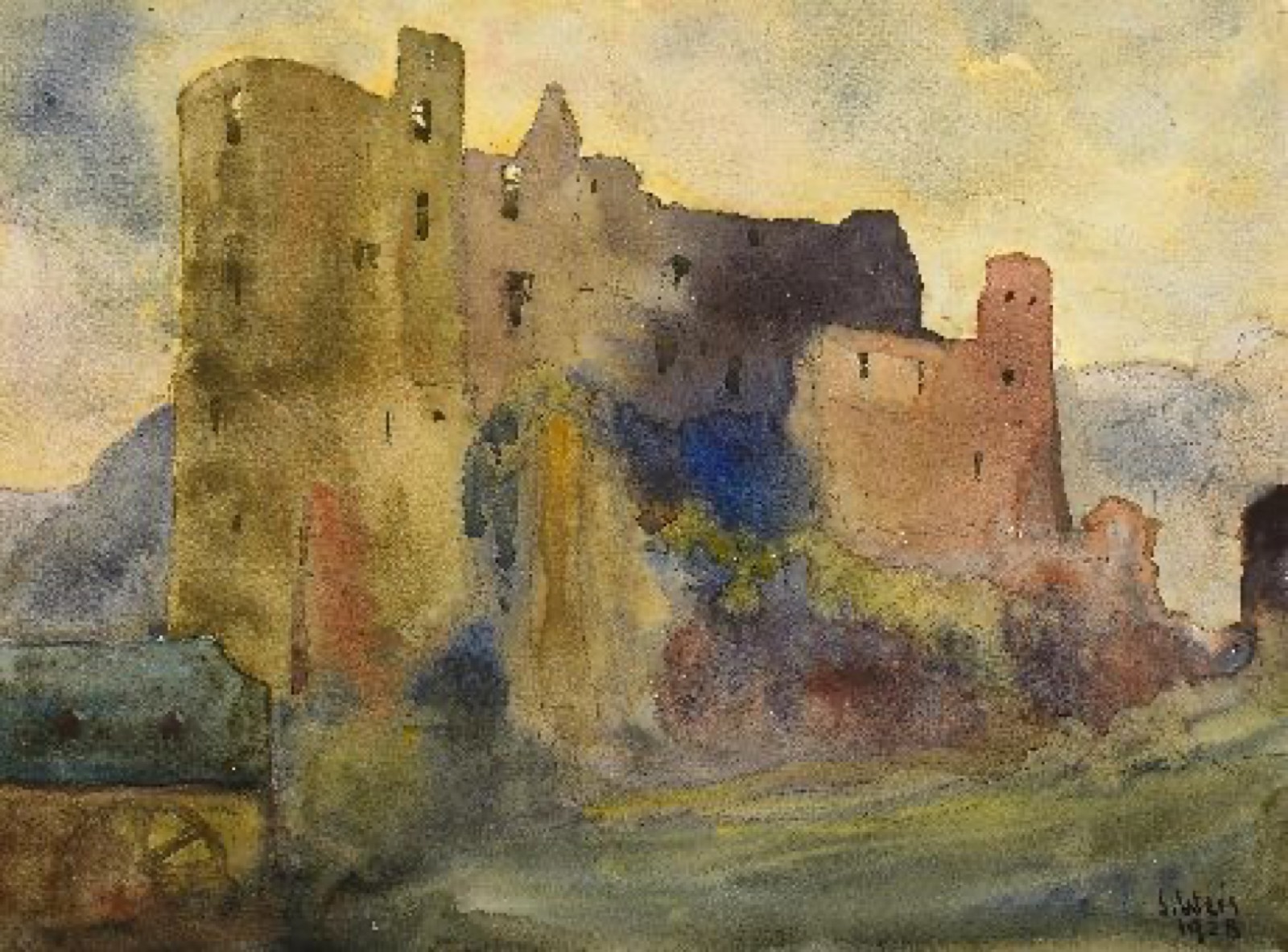
Château de Beaufort
· National Museum of Archaeology, History and Art (via Europeana)
Public domain
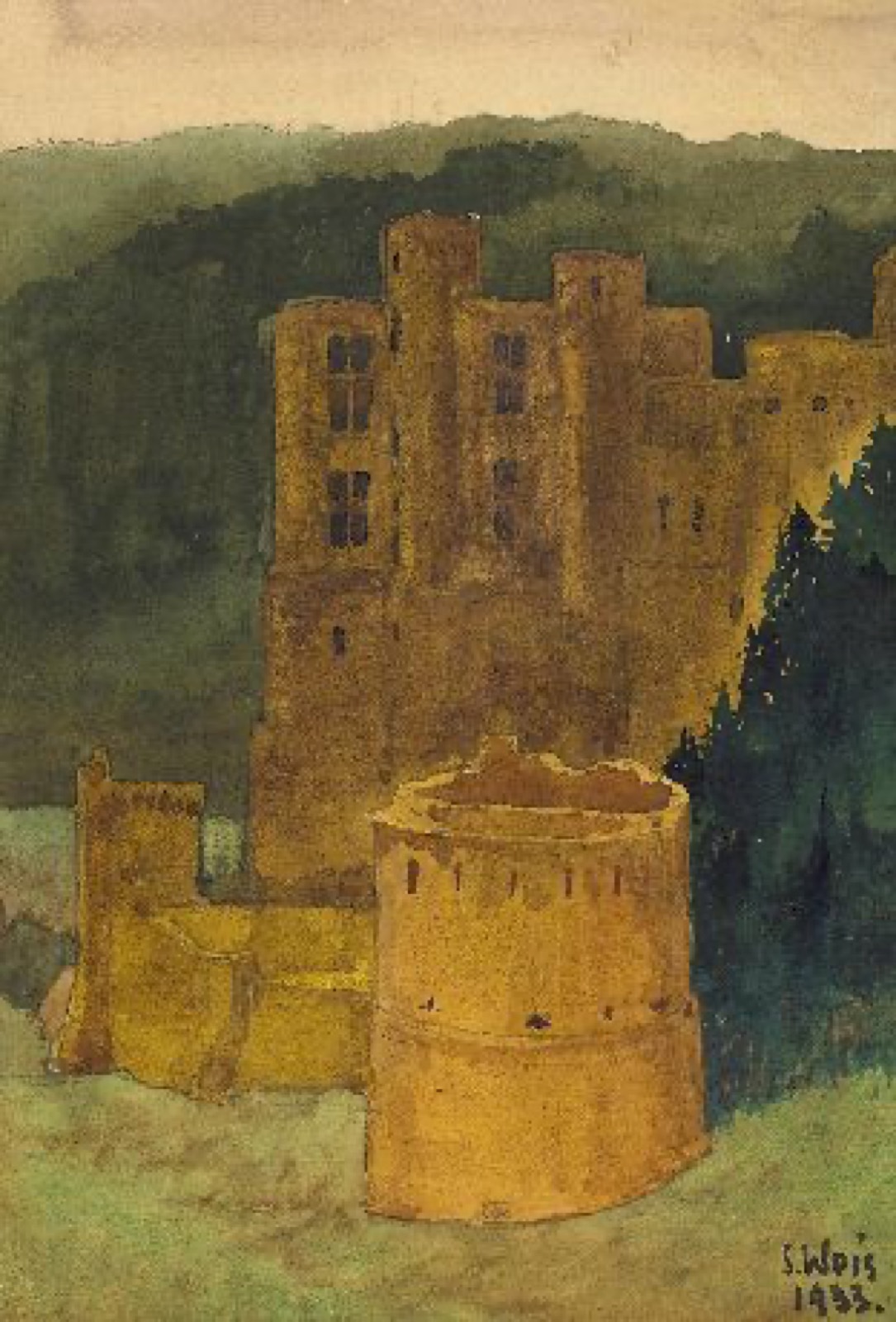
Château de Beaufort
· National Museum of Archaeology, History and Art (via Europeana)
Public domain
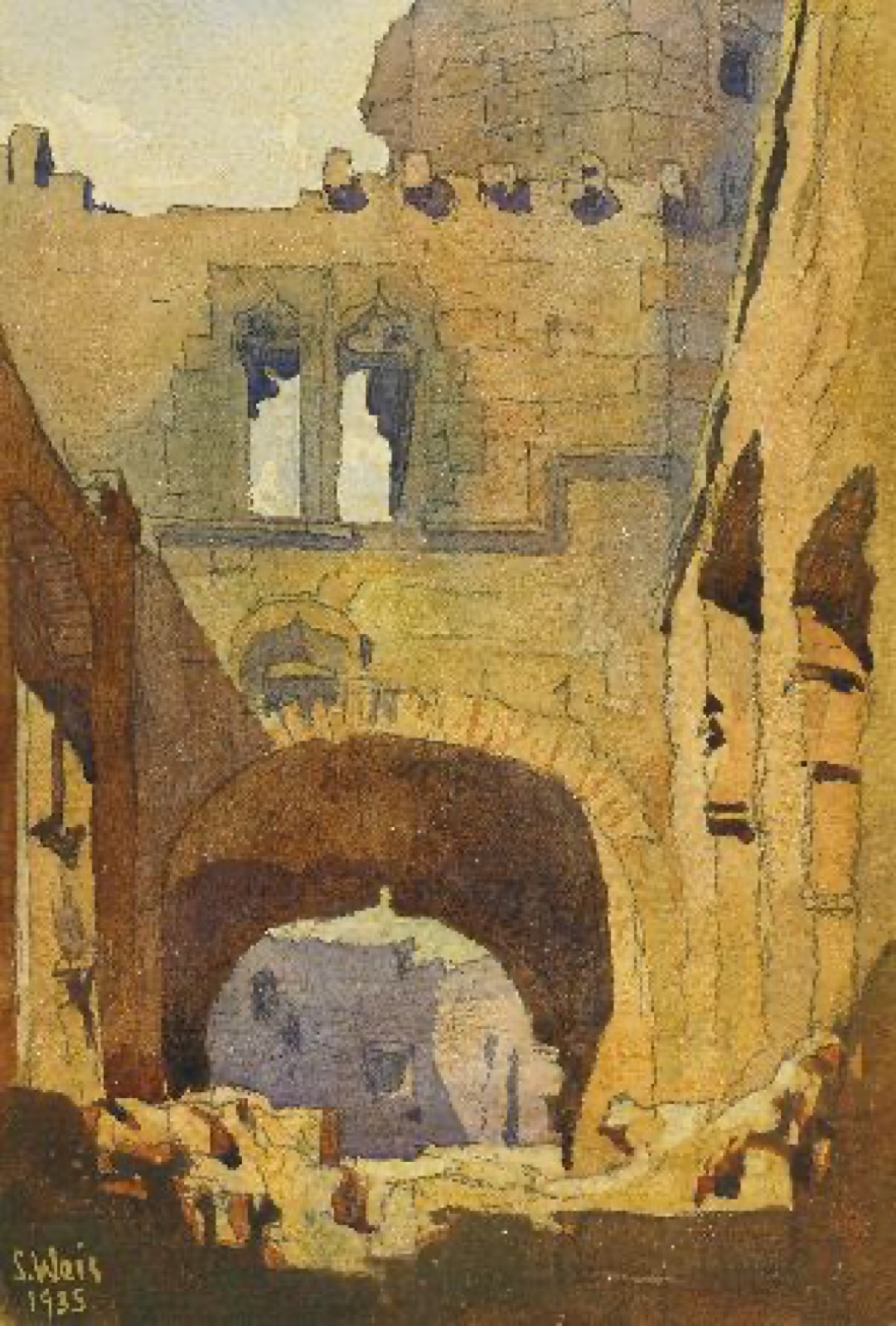
Château de Beaufort
· National Museum of Archaeology, History and Art (via Europeana)
Public domain


