Clan Rising
Ahrensburg Castle today

Germany · Still standing

Ahrensburg Castle

Schloss Ahrensburg

Schloss Ahrensburg is a late 16th-century Renaissance mansion built on an island in an artificial pond near Ahrensburg, Schleswig-Holstein. Originally begun by Peter Rantzau after 1585, it was transformed in the 18th and 19th centuries by the Schimmelmann family and today houses a museum and park open to the public.

Photograph via Wikimedia Commons

Its prime

1855

Today

Still standing

As it stood in 1855

What Ahrensburg Castle looked like in its prime.

Ahrensburg is a three-storey rectangular white-plastered Renaissance mansion set on a small island in an artificial pond, with a low stone bridge linking it to the park. The symmetrical main façade shows three stepped gables along a red-tiled roof and uniformly spaced tall multipane windows across each floor. Each corner is articulated by a narrow cylindrical turret rising a storey above the roofline and capped by a green copper cupola with an open lantern and spire. Condition at prime: complete, intact.

Its story

The story of Ahrensburg Castle.

Schloss Ahrensburg, a Renaissance mansion on an island in an artificial pond in southern Schleswig-Holstein, not far from Hamburg, was built after 1585 at the initiative of Peter Rantzau; a fortified mansion on the site had been owned by the church in 1327. Ahrensburg remained with the Rantzau family for seven generations.

From 1759 to 1778 it served as Schimmelmann's summer residence and remained his family's main seat in the 19th century, though only under Ernst von Schimmelmann (1820–1885) did it again become the focus of family life. When the Great Depression hit the family's fortunes, the Schimmelmanns were forced to sell the castle in 1932. It now houses a museum, with its park open to the public.

Step inside

8 places to explore in 1855.

The record describes 8 distinct spots at Ahrensburg Castle, including 2 interiors: ballroom (interior), chapel interior (1594-96). Create your own photoreal reconstruction and explore every one, more scenes means more rooms, more angles, and more of the place to stand in.

Approach across the bridge to the main façadeCentral front façade and emblemCorner turret and cupolaEdge of the artificial moat around the islandGatehouse and entrance driveMarstall (stables) exteriorBallroom (interior)Chapel interior (1594-96)

Build Your Own Castle

Recreate Ahrensburg Castle with AI to explore it.

The artist rebuilds it as it stood in 1855, a photoreal reconstruction that belongs to you alone. Pay with coins, no subscription needed.

Recreate this castle →Defend this castle →

Whose castle

Clans who held Ahrensburg Castle.

The families that held Ahrensburg Castle for a decade or more across its history, follow a name to its clan.

  • Rantzau

    Built after 1585 by Peter Rantzau; the Rantzaus held Ahrensburg for seven generations.

  • Schimmelmann

    The Schimmelmann family held Ahrensburg from 1759 until forced to sell in 1932.

From the archive

Ahrensburg Castle on paper: the measured plan and period views.

The survey plan and photographs below are the ground truth this page's reconstructions are checked against, drawn and photographed while the castle was still a working garrison. Every image is public-domain or openly licensed, with its source named.
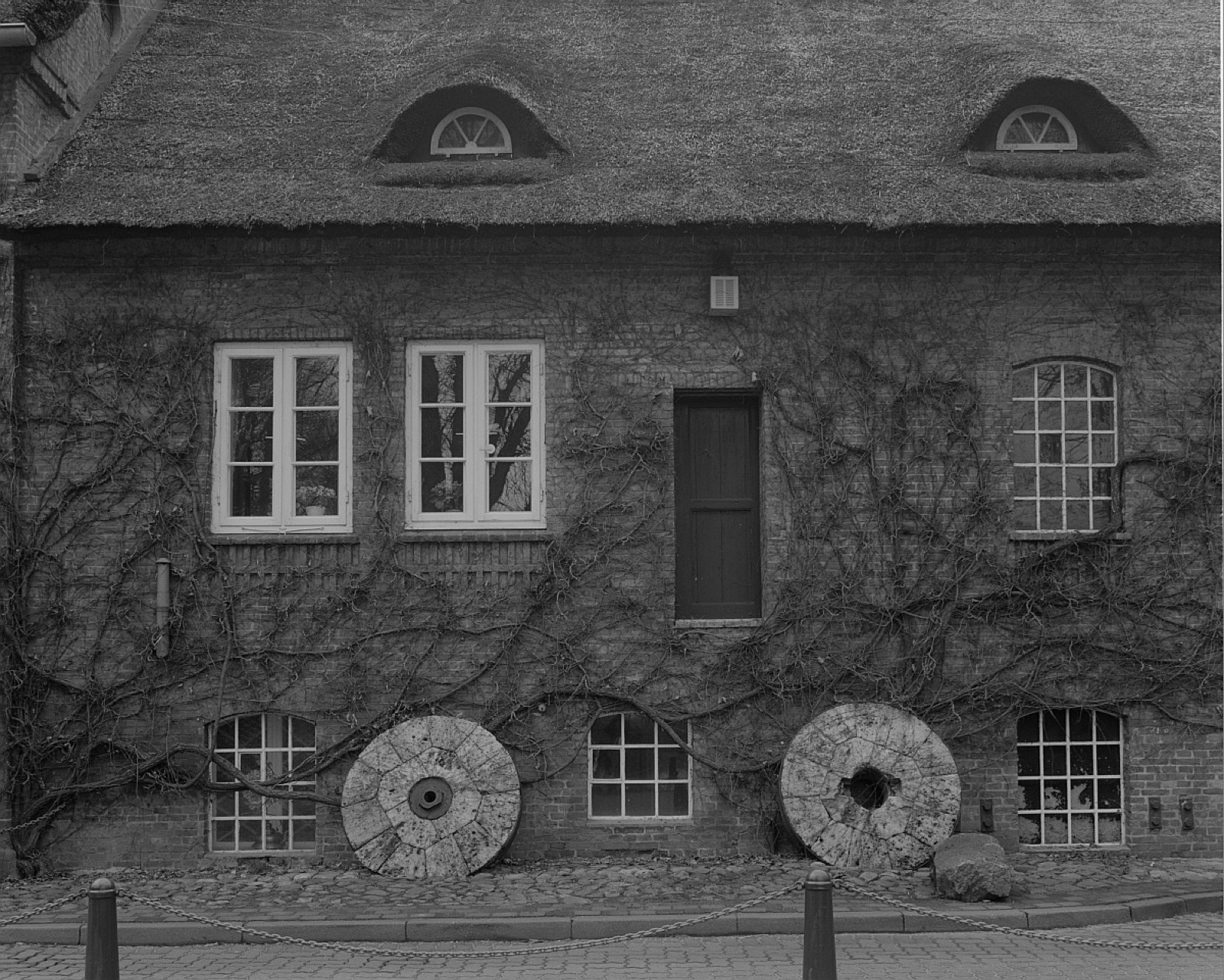
Ahrensburg, mill editor 1. Schloßmühle (about 1600). Partial view of the mill building with grinding stones, Ahrensburg Castle

Ahrensburg, mill editor 1. Schloßmühle (about 1600). Partial view of the mill building with grinding stones

· Deutsche Fotothek (via Europeana)

CC BY-SA
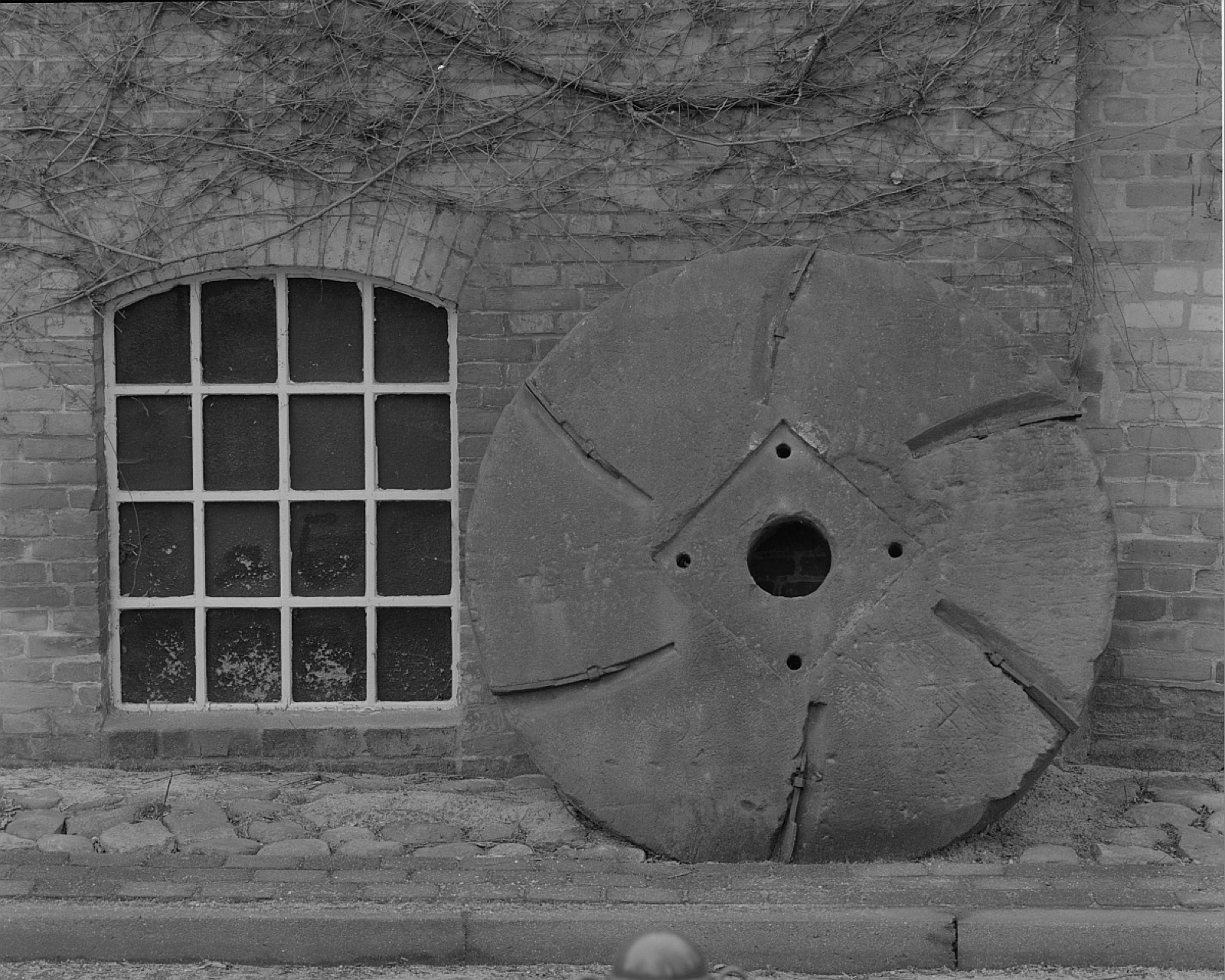
Ahrensburg, mill editor 1. Schloßmühle (about 1600). Partial view of the mill building with grinding stone, Ahrensburg Castle

Ahrensburg, mill editor 1. Schloßmühle (about 1600). Partial view of the mill building with grinding stone

· Deutsche Fotothek (via Europeana)

CC BY-SA

Nearby

Landmarks within reach of Ahrensburg Castle.

Questions about Ahrensburg Castle

What is the history of Ahrensburg Castle?

Ahrensburg Castle began as a Renaissance mansion after 1585, built at Peter Rantzau’s initiative. It stood on an island in an artificial pond and remained with the Rantzau family for seven generations. In 1759 it passed to Heinrich Carl von Schimmelmann, whose family held it until financial difficulties led to its sale in 1932; it is now a museum.

What is inside Ahrensburg Castle?

Inside Ahrensburg Castle, documented rooms include the ballroom and the chapel interior. The ballroom was added in 1855, while the nearby chapel was built in 1594–96. The castle museum presents Schleswig-Holstein aristocratic culture.

Why was Ahrensburg Castle built, and what was it used for?

Ahrensburg Castle was built as the elaborate residential centre of an aristocratic estate, rather than primarily as a defensive fortress. Its moat served an artistic rather than defensive purpose, and Peter Rantzau intended the mansion as his retirement residence and, later, the permanent seat of his family branch. From 1759 it became the Schimmelmann family’s summer residence and country seat; it now houses a museum.

Where is Ahrensburg Castle?

Ahrensburg Castle is in Ahrensburg, in southern Schleswig-Holstein, near Hamburg. It stands on an island in an artificial pond, in the town that takes its name from the castle district. The site is about 30 kilometres north-east of Hamburg city centre.

When was Ahrensburg Castle built?

Ahrensburg Castle was built in the late 16th century, with construction after 1585 and the work completed around 1585. The chapel beside it was completed in 1596. The available record does not give a precise first-raised year for the main building, but places it firmly in the late 1500s.

Which family or clan held Ahrensburg Castle?

The Rantzau family held Ahrensburg Castle for seven generations after Peter Rantzau began its construction after 1585. The Schimmelmann family then held it from 1759 until they were forced to sell it in 1932. Both families were associated with the castle across successive periods of its history.

What did Ahrensburg Castle look like in its prime?

In its prime, Ahrensburg Castle was a complete, intact, three-storey white-plastered Renaissance mansion on a small island in an artificial pond. Its symmetrical façade has three stepped gables, a red-tiled roof and tall multipane windows, while four corner turrets rise above the roofline with green copper cupolas, open lanterns and spires. A low stone bridge links it to the park.

Is Ahrensburg Castle still standing, or is it a ruin?

Ahrensburg Castle is still standing and is intact. It was renovated in 1984–86, including the recreation of the inner moat, and further interior work followed in the 1990s. A more extensive complete renovation took place from 2009 to 2016.

Can you visit Ahrensburg Castle?

Yes, Ahrensburg Castle is open to the public as a museum. The castle museum opened in 1938 and, after closing during the war, reopened in 1955. The castle and its park are part of a public visitor site, with concerts and children's events also held there.
All castles of Germany · Castles of Europe · the best castles in Europe · explore the finished reconstructions.