Clan Rising
Sababurg today

Germany · Partial ruin

Sababurg

Sababurg is a hill castle standing on a basalt knoll in the Reinhardswald near Hofgeismar, first recorded in 1334. Reworked from a medieval fort into a late-medieval hunting lodge (palas completed 1519), it is characterised by a rectangular main range flanked by two large rounded corner towers with bulbous 'welsche Hauben'. The site survives as a partly-ruined complex that was restored and adapted for hotel and cultural use in the 20th century and is undergoing further renovation.

Photograph via Wikimedia Commons

First raised

1334

Its prime

1519

Today

Partial ruin

As it stood in 1519

What Sababurg looked like in its prime.

Perched on a basalt knoll within the Reinhardswald, the Sababurg in its prime shows a compact light-beige stone complex: a rectangular palas with steep gabled roofs flanked by two massive round corner towers capped by bulbous welsche Hauben (onion domes), plus a smaller spiral staircase tower. A surrounding enceinte and flanking gate enclosed a small inner ward; coursed masonry unifies walls and towers. The roofs and domes were intact and the curtain walls continuous, set amid dense forest.

Its story

The story of Sababurg.

The Sababurg first appears in 1334 as the Zappenburg, founded by the Bishopric of Mainz, in constant competition here with the Landgraviate of Hesse, the Bishopric of Paderborn and the Duchy of Brunswick, to protect pilgrims travelling to the nearby pilgrimage site of Gottsbüren. In 1490 the hunting lodge of Zapfenburg grew out of the medieval castle, its palas completed in 1519 between two large rounded corner towers.

Its modern name comes from the Brothers Grimm: as the Dornröschenschloss, Sleeping Beauty's castle, it is one of the three best-known castles of the legendary Reinhardswald, alongside the Trendelburg and Krukenburg. Restored after 1957, the part-ruined complex has housed a hotel since 1959, with the Sababurg Wildlife Park and the virgin forest of Urwald Sababurg nearby, the concept for the board game Enchanted Forest was developed from the castle.

Step inside

9 places to explore in 1519.

The record describes 9 distinct spots at Sababurg, including 3 interiors: palas great hall, north-east corner tower chamber, small spiral staircase tower (interior). Create your own photoreal reconstruction and explore every one, more scenes means more rooms, more angles, and more of the place to stand in.

Exterior approach from the southwest (wildlife park below)Main gate and enceinte (flanking gate)Inner courtyard (inner ward)Palas great hallNorth-east corner tower chamberSummit of south-west tower (view over forest)Small spiral staircase tower (interior)Curtain wall and wall-walkStud farm yard adjacent to the castle

Build Your Own Castle

Recreate Sababurg with AI to explore it.

The artist rebuilds it as it stood in 1519, a photoreal reconstruction that belongs to you alone. Pay with coins, no subscription needed.

Recreate this castle →

Castle Siege

Play Castle Siege at Sababurg.

A strategy game played on Sababurg’s real ground plan: the same surveyed walls shown in the archive below. Post your finite garrison on the battlements between assaults, then hold out as rams, siege towers, trebuchets and sappers arrive in ever-worse waves.

Sign in free to see the garrison muster. One castle costs 150 Clan Coins and is yours forever.

Sign in to take command →

See every castle’s leaderboard →

From the archive

Sababurg on paper: the measured plan and period views.

The survey plan and photographs below are the ground truth this page's reconstructions are checked against, drawn and photographed while the castle was still a working garrison. Every image is public-domain or openly licensed, with its source named.
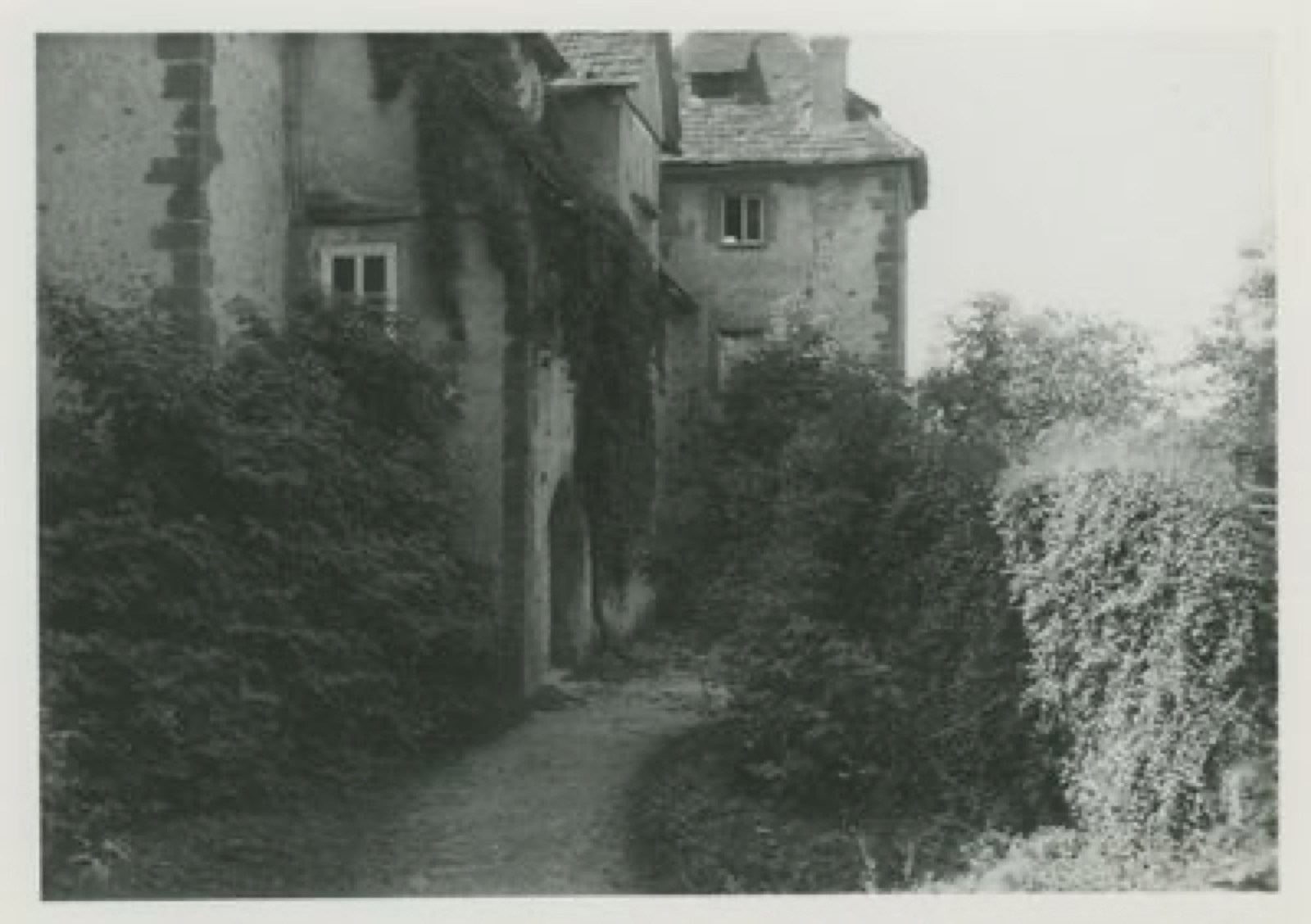
Sababurg, Sababurg

Sababurg

1950 · Kassel University Library (via Europeana)

CC BY-SA
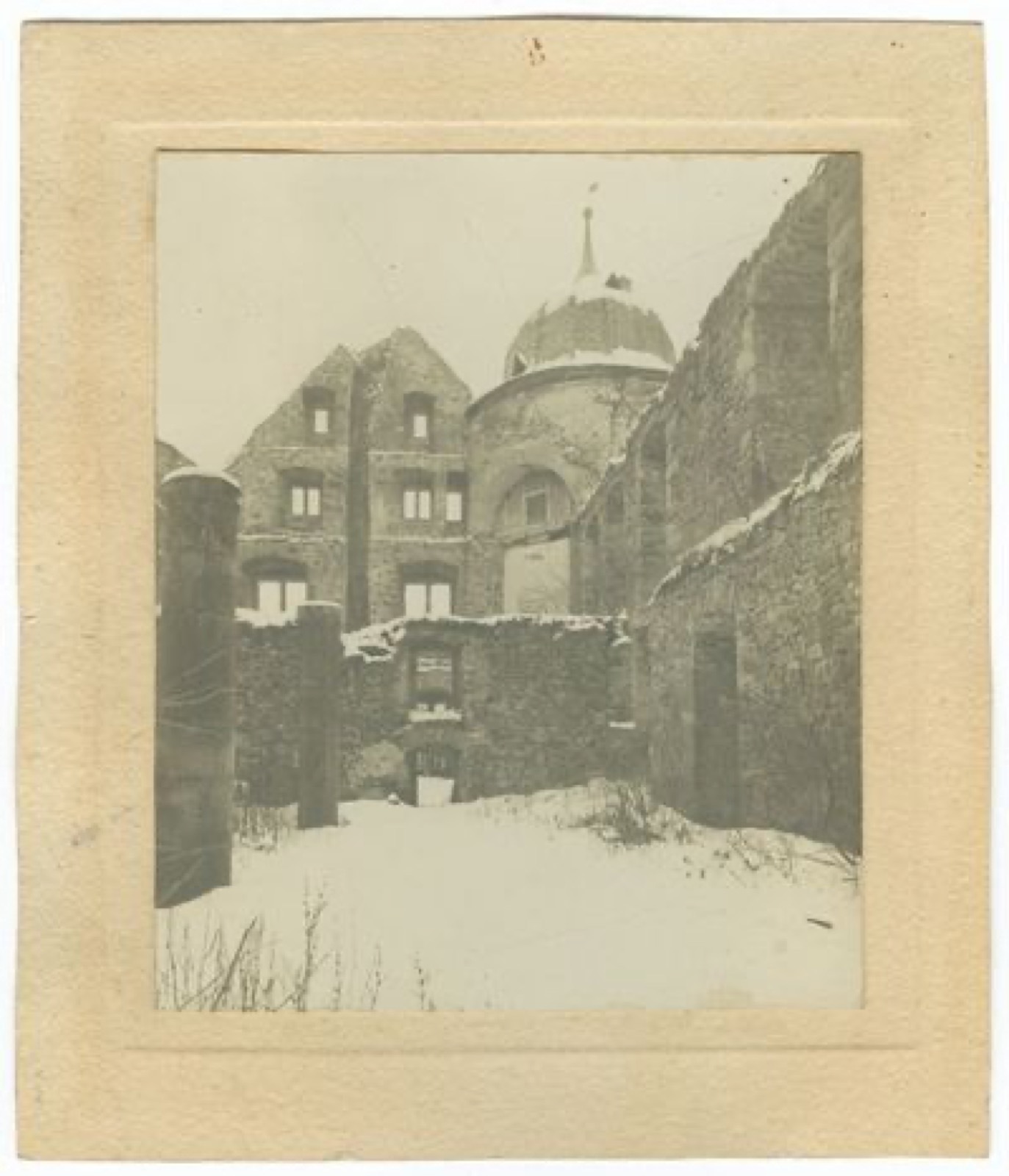
Sababurg, Sababurg

Sababurg

1920 · Kassel University Library (via Europeana)

CC BY-SA

Questions about Sababurg

What is the history of Sababurg?

Sababurg began in the 14th century as the Zappenburg, founded by the Bishopric of Mainz to protect pilgrims travelling to nearby Gottsbüren. From 1490, the medieval fortress was rebuilt as the hunting lodge Zapfenburg, with its palas completed in 1519. Catholic troops under Field Marshal Tilly occupied and badly damaged it in 1628, and restoration began after 1957.

What is inside Sababurg?

Inside Sababurg, the documented spaces include the palas great hall, a chamber in the north-east corner tower and the small spiral staircase tower. The palas now survives only in its outer walls, while the two large corner towers were used by the hotel. The complex also included an inner courtyard within the surrounding enceinte.

Why was Sababurg built, and what was it used for?

Sababurg was built first to protect pilgrims travelling to the nearby pilgrimage site of Gottsbüren. From 1490, its role changed when the medieval castle became the hunting lodge Zapfenburg. A stud farm was also present, and the site later served as the seat of the Gieselwerder administrative office before becoming a hotel and cultural venue in the 20th century.

Where is Sababurg?

Sababurg stands in the Reinhardswald near Hofgeismar, on a lightly wooded basalt summit about 315 metres above sea level. It lies in the north-eastern part of Hofgeismar’s Beberbeck district, with Gottsbüren about 4.5 kilometres to the north-north-west and Beberbeck about 4.5 kilometres to the west-south-west.

When was Sababurg built?

Sababurg was first raised in the 14th century, with the castle first recorded in 1334. Construction of the original Zappenburg began in 1334, while the later hunting lodge was developed from 1490 and its palas was completed in 1519. This means the surviving complex reflects several building phases rather than a single date.

Was Sababurg ever attacked or besieged?

Sababurg was occupied and badly damaged in 1628 by Catholic troops commanded by Field Marshal Tilly during the Thirty Years’ War. It was later occupied by French soldiers in 1760 during the Seven Years’ War, after which the castle largely fell into decay. The material does not state that either occupation ended with a formal siege.

What did Sababurg look like in its prime?

In its prime, Sababurg was a compact light-beige stone complex on a basalt knoll. A rectangular palas with steep gabled roofs stood between two massive rounded corner towers capped with bulbous welsche Hauben, or onion domes. A smaller spiral staircase tower, continuous curtain walls, an enceinte and a flanking gate completed the fortified silhouette.

Is Sababurg still standing, or is it a ruin?

Sababurg is a partial ruin rather than an intact castle. The palas survives only in its outer walls, while parts of the ring wall, flanking gate and wall ditches remain; the two large corner towers and a smaller stair tower also survive. The complex has been restored progressively since 1957 and is undergoing further renovation, with work stopped in 2024.

Can you visit Sababurg?

Sababurg can be visited, but access is currently restricted because of comprehensive renovation work. Since 2018, visitors have generally been limited to viewing the castle complex from outside, although some events are planned for 2026. The site was restored and adapted for hotel and cultural use, but the hotel and gastronomy operations were stopped in 2018.
All castles of Germany · Castles of Europe · the best castles in Europe · explore the finished reconstructions.