Clan Rising
Arta Castle today

Greece · Still standing

Arta Castle

The Castle of Arta is a medieval citadel on a low hill at the northeastern edge of the city of Arta, overlooking the bend of the Arachthos River. It is an irregularly shaped fortification with a high inner curtain wall and an outer lower wall, numerous towers and bastions, and interior traces of Byzantine-era palace buildings.

Photograph via Wikimedia Commons

First raised

1230

Its prime

1250

Today

Still standing

As it stood in 1250

What Arta Castle looked like in its prime.

An irregular, elongated stone castle on a low hill beside the Arachthos River, its long pale limestone curtain walls punctuated by rectangular and rounded towers. A high inner wall about 10 metres tall rises behind a lower external wall; the outer wall only survives in stretches. Towers and parapets form a jagged roofline with crenellations and scattered embrasures; on the eastern side a single straight wall contains older ashlars from the ancient city of Ambracia.

Its story

The story of Arta Castle.

The Castle of Arta crowns a low hill at the north-eastern edge of the city, originally abutting the bed of the Arachthos, the river now flows some 200 metres to the east. On the side once protected by the water a single wall incorporates part of the ancient city wall of Ambracia; elsewhere the castle is defended by two circuits, an inner wall some ten metres high studded with towers, and an outer wall of four to five metres drawn just far enough out to enclose them.

The inner wall survives intact, the outer only in isolated stretches; both were reinforced with bastions, and the towers and parapets were modified for artillery embrasures by the Ottomans and Venetians. Remains of a Byzantine-era church and building inside may mark the palace and palace church of the Despots of Epirus, though almost all other archaeology in the interior was wiped out when a Xenia hotel was built there in the 1960s.

Step inside

6 places to explore in 1250.

The record describes 6 distinct spots at Arta Castle, including 1 interior: interior: site of the despot's palace and palace church. Create your own photoreal reconstruction and explore every one, more scenes means more rooms, more angles, and more of the place to stand in.

Exterior approach from townEastern riverside wall with ancient ashlarsOuter wall and enclosed towersWalk on the inner curtain and battlementsMain gate and adjacent towerInterior: site of the despot's palace and palace church

Build Your Own Castle

Recreate Arta Castle with AI to explore it.

The artist rebuilds it as it stood in 1250, a photoreal reconstruction that belongs to you alone. Pay with coins, no subscription needed.

Recreate this castle →Defend this castle →

From the archive

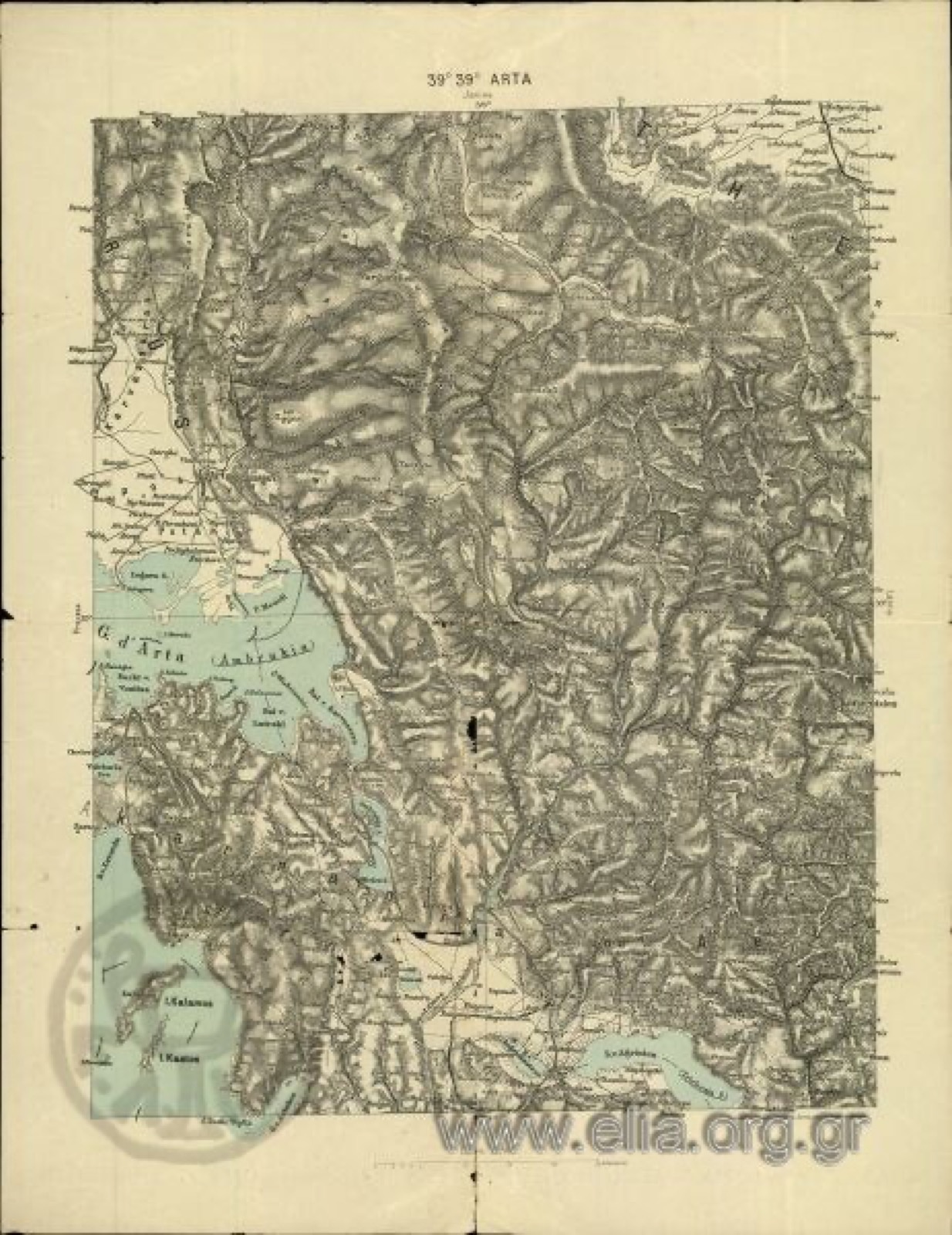
Arta Castle on paper: the measured plan and period views.

The survey plan and photographs below are the ground truth this page's reconstructions are checked against, drawn and photographed while the castle was still a working garrison. Every image is public-domain or openly licensed, with its source named.
ARTA, Arta Castle

ARTA

· Hellenic Literary and Historical Archive - Cultural Foundation of the National Bank Of Greece (via Europeana)

CC BY

Nearby

Landmarks within reach of Arta Castle.

Questions about Arta Castle

What is the history of Arta Castle?

Arta Castle was raised in the 13th century as the citadel of the city and the Despotate of Epirus. It was built on earlier ancient walls and later took its current form largely during Ottoman rule. The castle was also used as a prison during the Ottoman period, including for General Ioannis Makriyannis.

What is inside Arta Castle?

Inside Arta Castle are remains of a Byzantine-era church and building, which may have been the palace and palace church of the Despots of Epirus. Almost all other archaeological remains were wiped out when a Xenia hotel was built inside the castle in the 1960s.

Why was Arta Castle built, and what was it used for?

Arta Castle was built as the citadel of the city and the Despotate of Epirus. Its walls provided a fortified stronghold, while the interior included buildings that may have served as the palace and palace church of the Despots. During Ottoman rule, it was later used as a prison.

Where is Arta Castle?

Arta Castle is in the north-eastern part of the city of Arta, beside the bend of the Arachthos River. The river now flows about 200 metres to the east. The castle stands within Artaion Municipality.

When was Arta Castle built?

Arta Castle was first raised in 1230, in the 13th century. It was constructed in three periods: over the ancient walls of Ambracia, during the Byzantine era, and during the period of Ottoman rule.

Was Arta Castle ever attacked or besieged?

Arta Castle was besieged several times. Charles of Anjou attacked it in 1303, Andronikos III Palaiologos besieged it during 1328–1341, and Liberakis Gerakaris attacked it in the 17th century. The final listed siege was by the Greeks in November 1821 during the Siege of Arta.

What did Arta Castle look like in its prime?

Arta Castle is an irregular, elongated stone fortification on a low hill beside the Arachthos River. Its pale limestone curtain walls have rectangular and rounded towers, with a high inner wall about 10 metres tall behind a lower outer wall. Crenellations, parapets, bastions and artillery embrasures give the roofline a jagged appearance.

Is Arta Castle still standing or is it a ruin?

Arta Castle is still standing and is described as intact. The inner wall survives intact, while the outer wall survives only in isolated stretches. The walls were reinforced with bastions, and the Ottomans and Venetians modified the towers and parapets for artillery embrasures.

Who built Arta Castle?

Arta Castle was commissioned by Michael II Komnenos Doukas. He was the third ruler of Epirus, and the castle was most likely built under his rule in the early 13th century. No architect is identified in the supplied material.
All castles of Greece · Castles of Europe · the best castles in Europe · explore the finished reconstructions.