
Greece · Restored
Parga Castle
Parga Castle is a medieval hilltop citadel on a rocky peninsula above the town and harbour of Parga in Epirus, Greece. Built and rebuilt by local, Venetian, Ottoman and French authorities over centuries, the present fortress was completed in 1808 and is open to the public today after restoration.
First raised
1380
Its prime
1808
Today
Restored
As it stood in 1808
What Parga Castle looked like in its prime.
An irregular medieval citadel of weathered grey-brown stone crowning a rocky peninsula, the castle's curtain walls run along the cliff edge with projecting bastions and crenellated parapets, enclosing a compact interior grove of pine and cypress trees. The fortification drops steeply to the sea on three sides and faces the town on the fourth, sitting above a tight row of low, colourful harbour houses and a rocky waterfront promenade.
Its story
The story of Parga Castle.
From Toryne to the Lord of Arta
The country around the rock was held in antiquity by the Greek tribe of the Thesprotians, and the ancient town of Toryne probably stood here. The first fortifications are said to have been raised in the 11th century by the people of Parga, with Norman help, to protect a town open to the sea from pirates. Nicholas Orsini, Despot of Epirus, offered the town and its castle to the Republic of Venice in exchange for Venetian help against the Byzantine Empire, without success; during the Epirote rebellion of 1338/39 against the emperor Andronikos III Palaiologos, Parga stayed loyal to the emperor. In the 1390s it lay under Gjin Bua Shpata, lord of Arta.
A Venetian Exclave of Corfu, 1401–1797
Parga passed under Venetian control in 1401 and was governed as a mainland exclave of Corfu under a castellan, a possession confirmed by the Ottoman–Venetian treaty of 1419. Apart from brief spells of Ottoman occupation the town stayed in Venetian hands until the Republic fell in 1797. In the 15th century, with Ottoman control of the region growing, the Venetians rebuilt the castle to fortify the area.
In 1452 Parga and its fortified position were taken by Hatzi Bey and held for two years, and part of the castle was demolished then. In 1537 the Ottoman admiral Hayreddin Barbarossa burned and destroyed the fortress and the houses inside it. A Venetian reconstruction of 1572 was pulled down again by Ottoman forces before it could be finished.
The Venetian defence plan set eight towers at points outside the castle to supplement the walls, while some 400 houses were stacked into the narrow space of the citadel. Water reached the castle cisterns and those houses from the fountain called Kremasma, and supplies came in through the two bays of Valtos and Pogonia. An inscription above the outer gate dates that stretch of wall to 1707 and to Count Marco Teotochi, governor and captain of Parga; on the arched entrance gate the winged lion of Saint Mark can still be seen, with the name ANTONIO CERVASS 1764.
The Third Fortress, 1792–1819
In 1792 the Venetians began work on the third and final fortress. It was completed in 1808 by the French, who were in the wider region between 1797 and 1814, and an inscription over a stone door beside the powder magazine still reads Défense de la Patrie A.D. 1808. In 1815, with French power failing, the townspeople rose against French rule and sought British protection. That fortress held out against attack until 1819, chiefly against Ali Pasha of Ioannina, who besieged it without taking it, and it gave support to the Souliotes who resisted him.
Sold to Ali Pasha, 1819, and Ottoman Rule to 1913
In 1819 the British sold the town to Ali Pasha, under the broader authority of the Ottomans. Ali made structural additions to the castle, strengthening the existing walls, installing his harem, building a hammam within the structure and remodelling the grounds. Emblems of Ali Pasha and double-headed eagles appear on the arched entrance gate alongside the Venetian lion. He was assassinated in January 1822, and the castle passed from him to direct Ottoman rule, which ended in Parga and the rest of Epirus in 1913 with the Greek victory in the Balkan Wars.
A Protected Monument, Restored in 2020
The castle is a protected monument. Cleaning and restoration were carried out in 2020 by the Municipality and the Municipal Community of Parga under the supervision of the Ephorate of Antiquities of Preveza, and it is open to visitors, reached by narrow streets and stairs climbing from the port; two rebuilt buildings in the central area host theatrical performances and exhibitions.
Step inside
9 places to explore in 1808.
The record describes 9 distinct spots at Parga Castle, including 5 interiors: fountain 'kremasma' and water tanks, central area with reconstructed buildings, vaulted corridors and shooting rooms and more. Create your own photoreal reconstruction and explore every one, more scenes means more rooms, more angles, and more of the place to stand in.
Build Your Own Castle
Recreate Parga Castle with AI to explore it.
The artist rebuilds it as it stood in 1808, a photoreal reconstruction that belongs to you alone. Pay with coins, no subscription needed.
Recreate this castle →Defend this castle →From the archive
Parga Castle on paper: the measured plan and period views.
The survey plan and photographs below are the ground truth this page's reconstructions are checked against, drawn and photographed while the castle was still a working garrison. Every image is public-domain or openly licensed, with its source named.
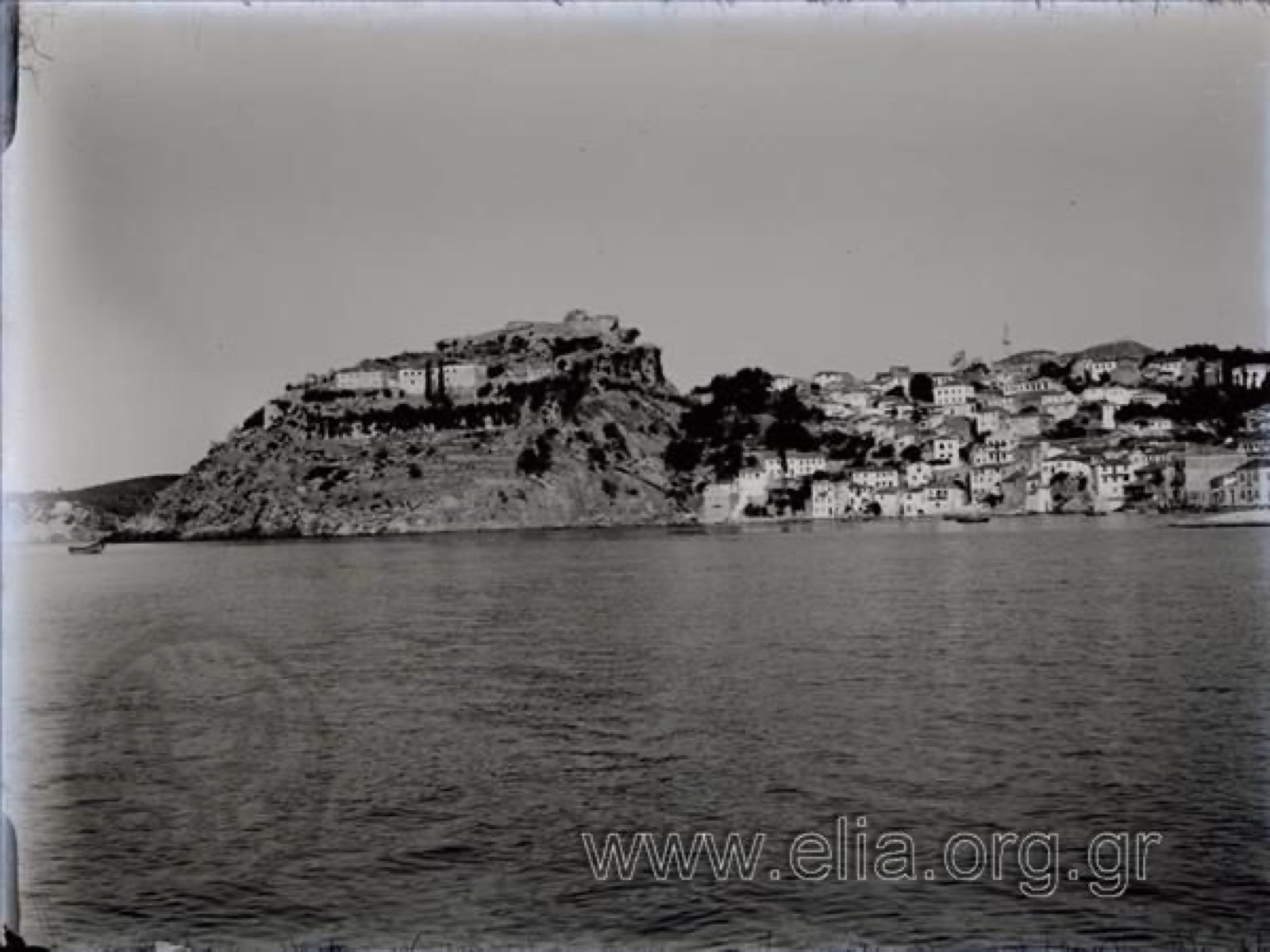
-
1930 · Hellenic Literary and Historical Archive - Cultural Foundation of the National Bank Of Greece (via Europeana)
CC BY
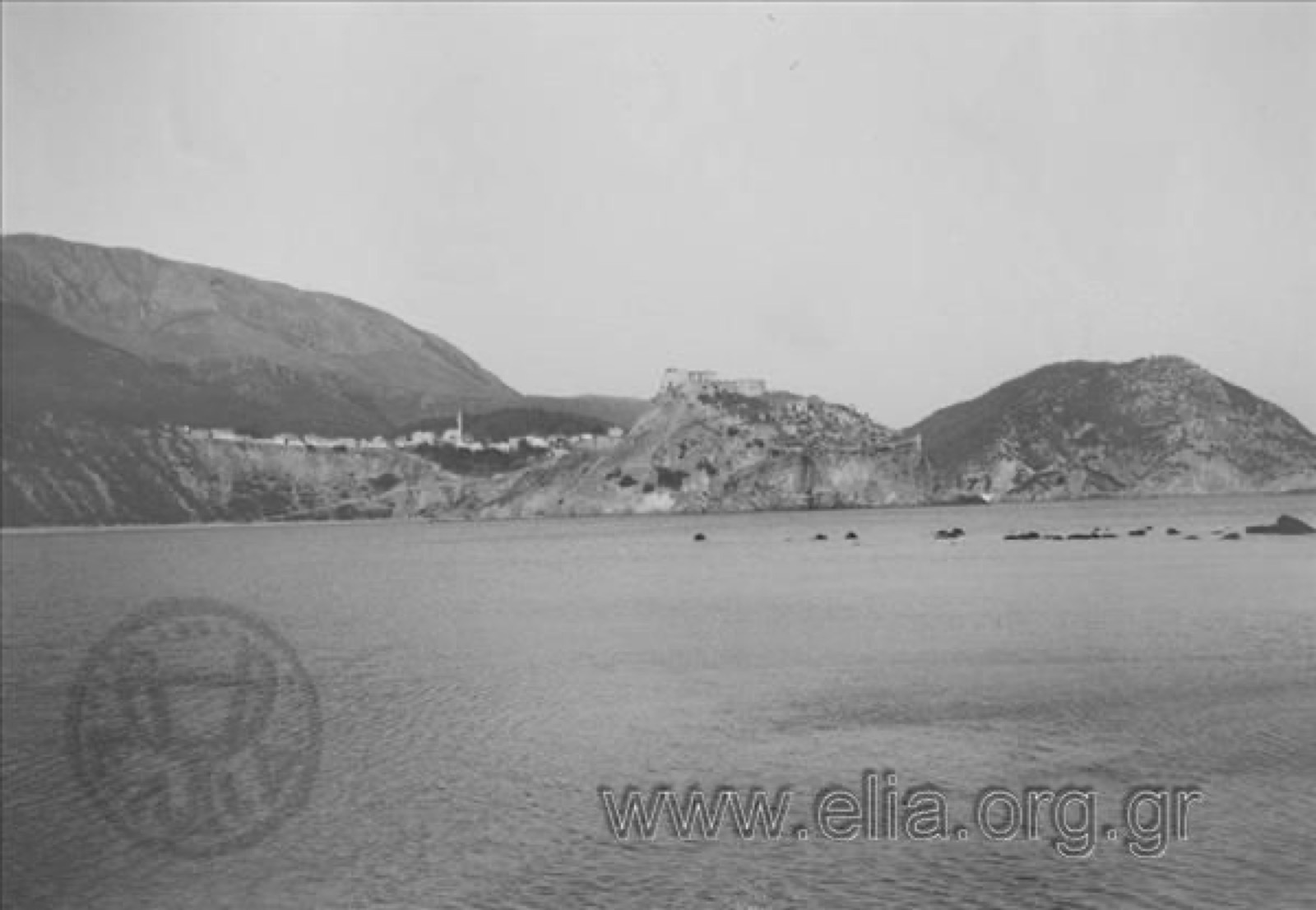
-
1930 · Hellenic Literary and Historical Archive - Cultural Foundation of the National Bank Of Greece (via Europeana)
CC BY
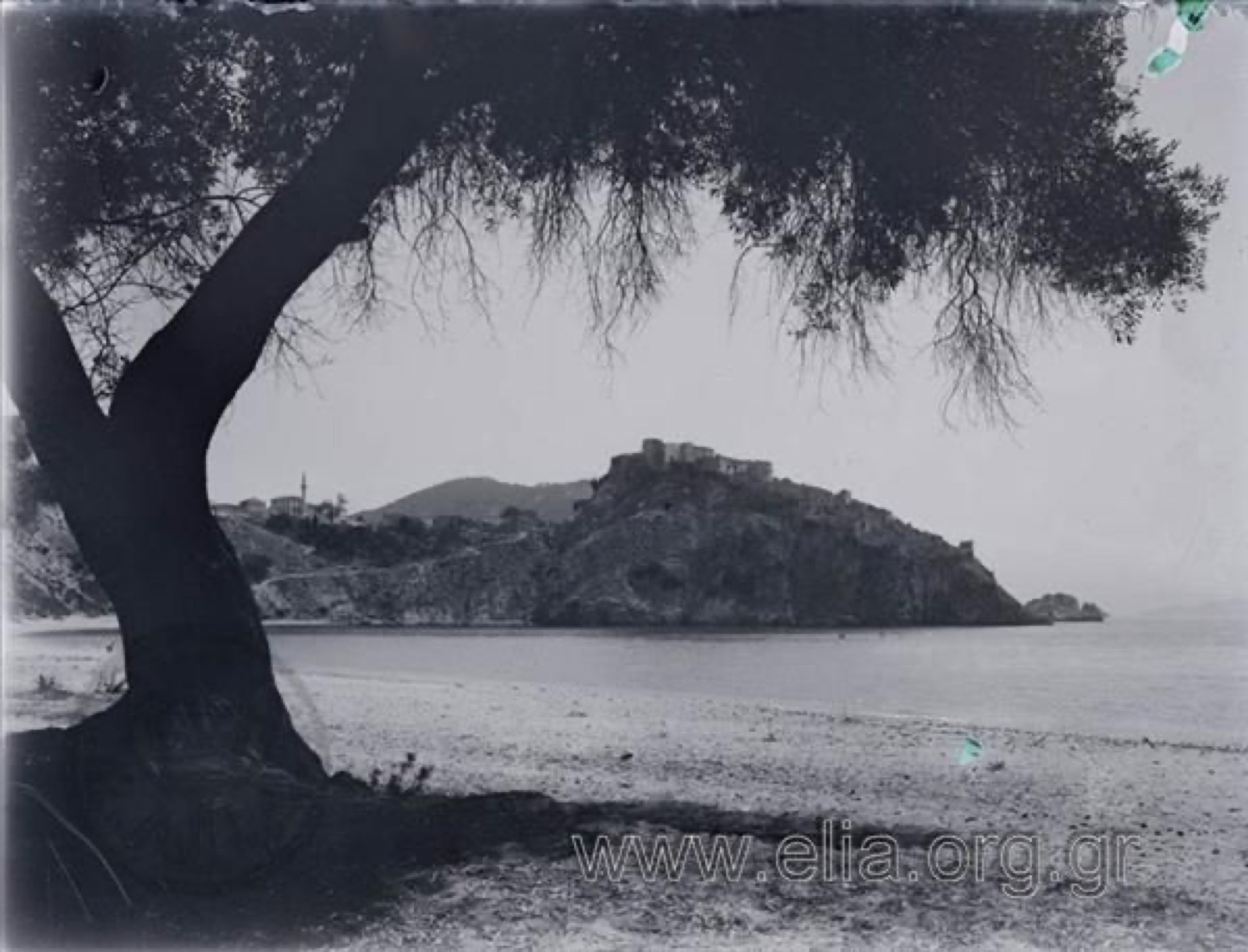
-
1931 · Hellenic Literary and Historical Archive - Cultural Foundation of the National Bank Of Greece (via Europeana)
CC BY


