
Latvia · Partial ruin
Grobiņa Castle
Grobiņas vidusslaiku pils
Grobiņa Castle is a medieval curtain-walled castle in Grobiņa, Latvia, originating in the mid-13th century (inception recorded 1253). Today only sections of the brick and fieldstone walls survive; the site is visited as a ruin and park.
First raised
1253
Its prime
1253
Today
Partial ruin
As it stood in 1253
What Grobiņa Castle looked like in its prime.
A tall rectangular curtain wall built of roughly coursed fieldstone at the lower levels with later red-brick upperwork. The surviving wall face presents a vertical axis of three large rectangular openings (ground doorway, middle tall window, upper square window) and traces of a broad brick arch and plastered interior recesses. Stone base, brick infill patches and exposed rubble define a roofless interior room opening onto trees beyond; grass and earth cover the former floor.
Its story
The story of Grobiņa Castle.
Grobiņa Castle in the Courland region stands only 100 metres from the ancient Curonian castle hill of Skābāržu kalns, supposed to be the Seeburg mentioned in Scandinavian sources as early as the 9th century. The medieval castle, dating from 1253, was rebuilt and expanded by Master Gosvin von Herike around 1347 and served as seat of the Livonian Order's bailiff from 1399 to 1590, a strongpoint on the strategically important road to Prussia.
In 1560, during the Livonian War, the last master of the Order, Gotthard Kettler, pledged Grobiņa Castle to the Duke of Prussia for 15,000 guilders, the agreement signed at Reval that May. Grobiņa entered the Duchy of Courland and Semigallia in 1609, when Duke Wilhelm Kettler married Duchess Sophie of Prussia, and the castle became one of the dukes' residences, ringed with earthen ramparts, four corner bastions and a palisade fence.
In 1710 Frederick William, Duke of Courland, married Anna Ioannovna, later Empress of Russia, but took ill and died on his way back from St Petersburg. Later used as a residence by local German landlords, the castle received visitors from Duke Jacob Kettler of Courland to Carl XII of Sweden and Friedrich Wilhelm III of Prussia; today only sections of its brick and fieldstone walls survive, visited as a ruin and park.
Step inside
6 places to explore in 1253.
The record describes 6 distinct spots at Grobiņa Castle, including 4 interiors: interior view facing the east wall, ground-level portal threshold, middle-storey tall window looking out and more. Create your own photoreal reconstruction and explore every one, more scenes means more rooms, more angles, and more of the place to stand in.
Build Your Own Castle
Recreate Grobiņa Castle with AI to explore it.
The artist rebuilds it as it stood in 1253, a photoreal reconstruction that belongs to you alone. Pay with coins, no subscription needed.
Recreate this castle →Defend this castle →Whose castle
Clans who held Grobiņa Castle.
The families that held Grobiņa Castle for a decade or more across its history, follow a name to its clan.
Kettler
A residence of the Kettler dukes of Courland from 1609, when Duke Wilhelm Kettler married Sophie of Prussia.
From the archive
Grobiņa Castle on paper: the measured plan and period views.
The survey plan and photographs below are the ground truth this page's reconstructions are checked against, drawn and photographed while the castle was still a working garrison. Every image is public-domain or openly licensed, with its source named.
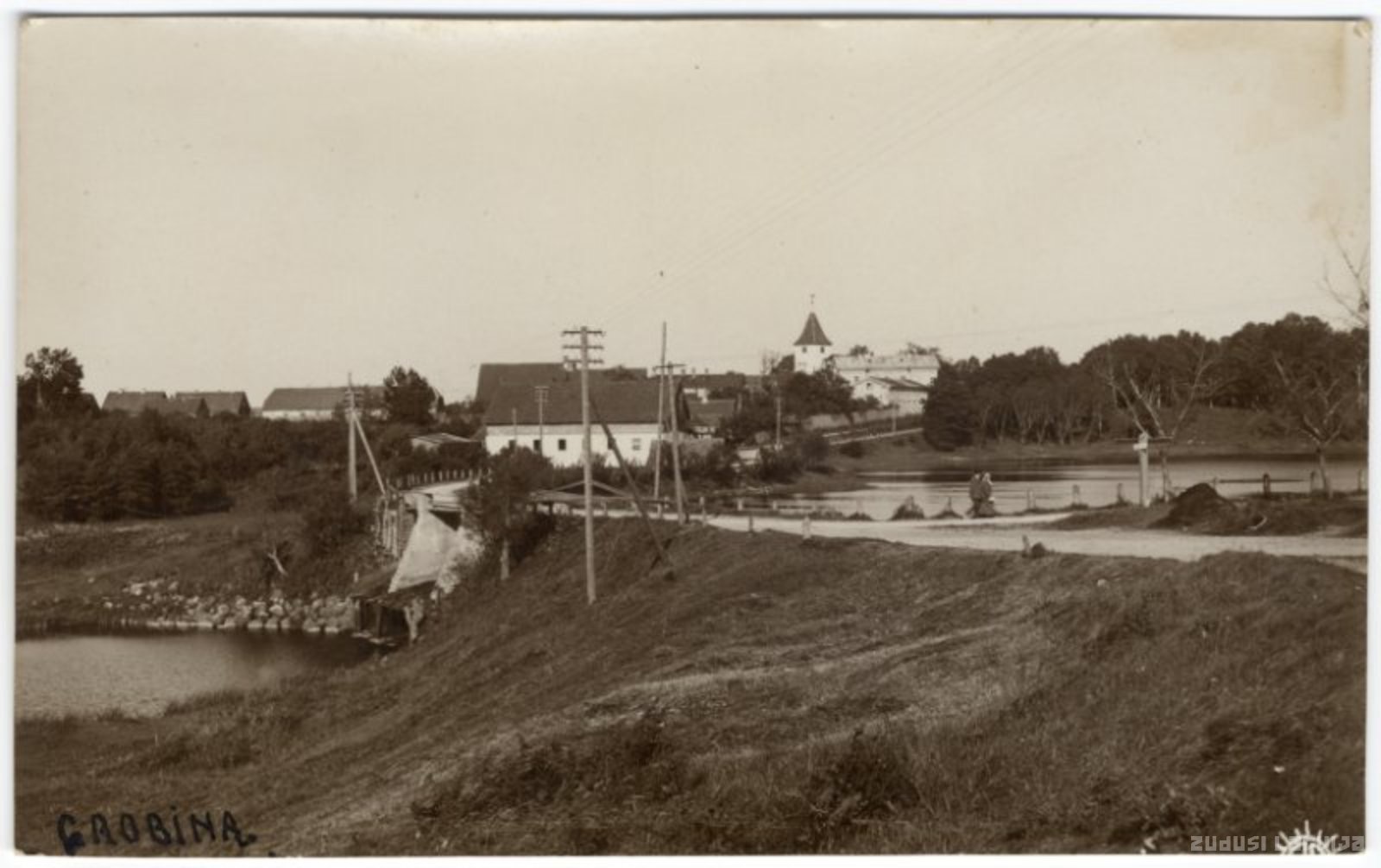
Grobiņa
· Māris Locs (via Europeana)
CC BY
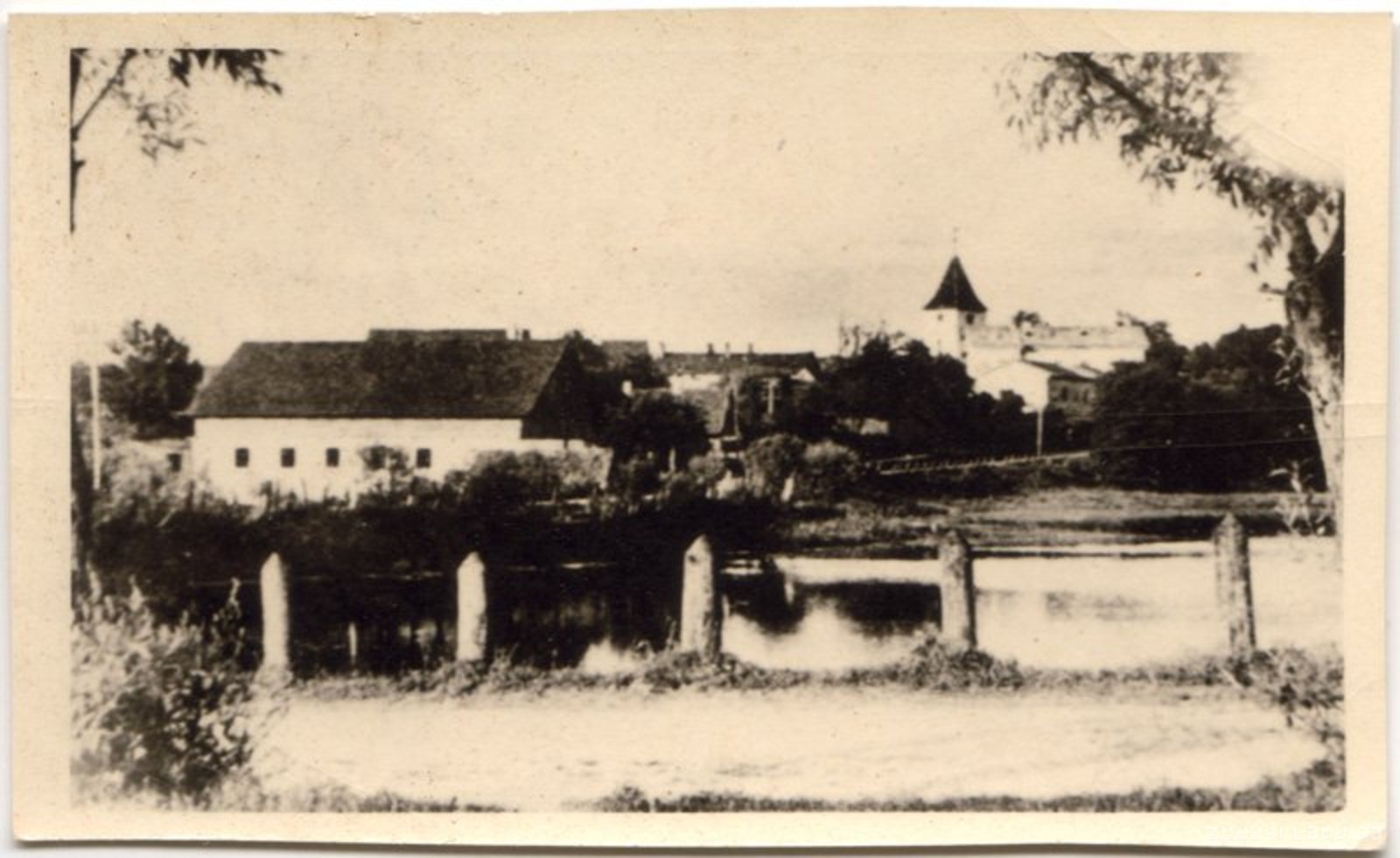
Grobiņa
· National Library of Latvia (via Europeana)
CC BY
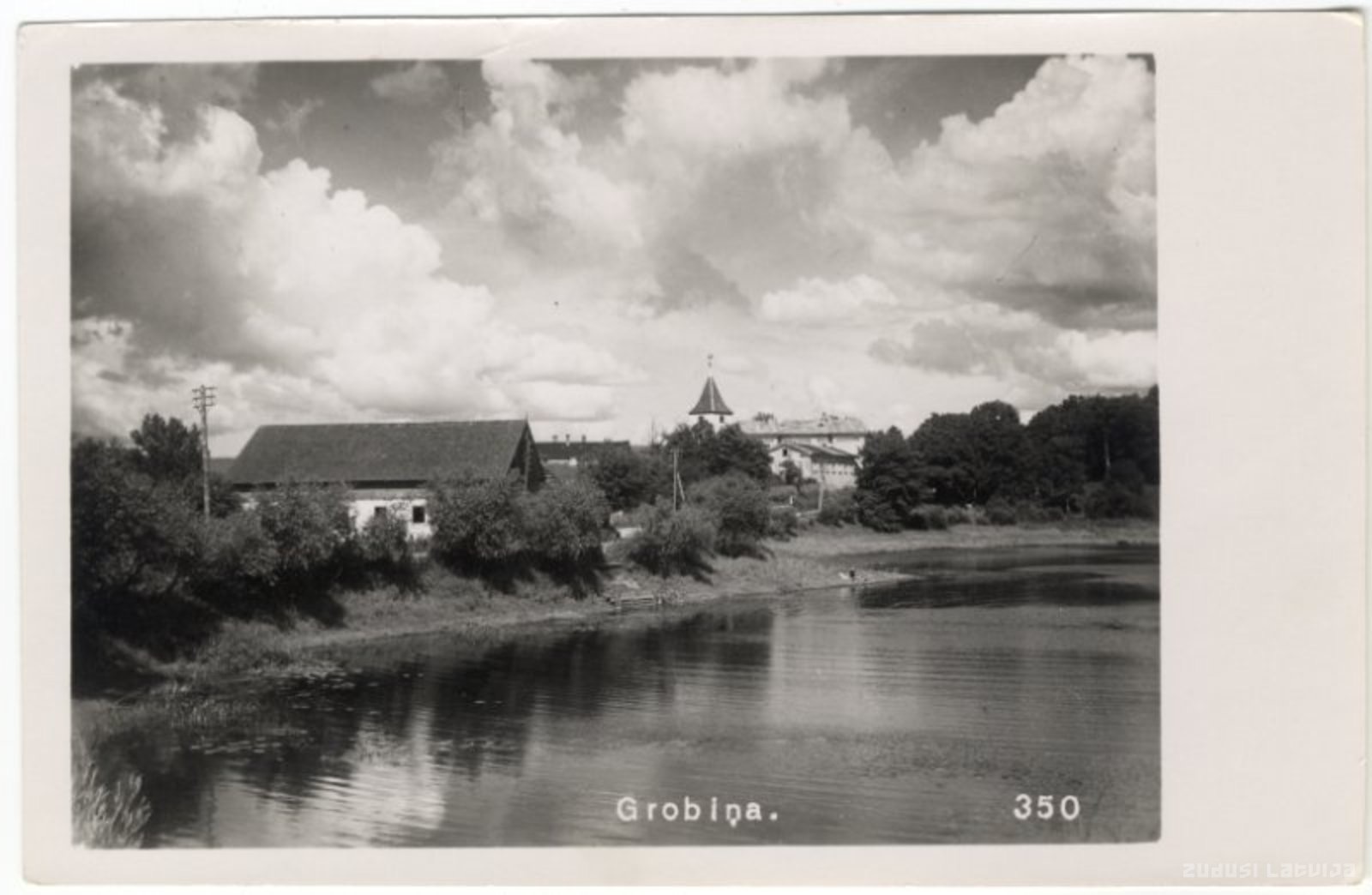
Grobiņa
· Māris Locs (via Europeana)
CC BY


