
Scotland · Still standing
Luffness Castle
Luffness Castle (Luffness House) is a tower house set within the remains of an earlier fortification near Aberlady in East Lothian, Scotland. The present building is a three-storey tower house with an attic and a square turret, sited at the northwestern angle of a roughly square defended enclosure and still occupied by the Hope family.
Its prime
1600
Today
Still standing
As it stood in 1600
What Luffness Castle looked like in its prime.
A T-shaped, three-storey stone tower house with an attic and a projecting square turret forming the stem; steep pitched roofs with several tall chimneys punctuate the roofline. The house stands behind a low rubble curtain wall and an arched stone gatehouse with a recessed arch and metal grille. The house and enclosure sit amid mature deciduous trees and a partially infilled ditch or earthwork marking the outline of a square fortification.
Its story
The story of Luffness Castle.
The lands of Luffness, near Aberlady in East Lothian, were part of the estates of the Gospatrick Earls of Lothian until the 12th century, when they passed by marriage to the Lindsay family. The Lindsays built a castle on the site in the 13th century, described as a large and strong fortress.
An English force under Edward Clinton, Lord Clinton sacked it in 1547, and the English treasurer and diplomat Ralph Sadler advised the Earl of Shrewsbury that a new fort at Aberlady would support a garrison inland at Haddington, the partially infilled ditch around the house may be a remnant of French fortifications of 1549. In the second half of the 16th century Luffness passed to the Hepburn Earls of Bothwell, who rebuilt the castle; in the 17th century it went to the Durham family, and an Adam Duff of Luffness is recorded in 1704.
In 1739 the Hope Earl of Hopetoun bought Luffness. The house was altered and extended by William Burn in 1822, with further works under David Bryce in 1846 and 1874. It stands today as a three-storey T-plan tower house with a square turret and turnpike stair, which Nigel Tranter thought incorporated what was left of the 13th-century castle, and is still occupied by the Hope family.
Step inside
8 places to explore in 1600.
The record describes 8 distinct spots at Luffness Castle, including 2 interiors: turnpike stair within the tower, gatehouse passage through the arched entrance. Create your own photoreal reconstruction and explore every one, more scenes means more rooms, more angles, and more of the place to stand in.
Build Your Own Castle
Recreate Luffness Castle with AI to explore it.
The artist rebuilds it as it stood in 1600, a photoreal reconstruction that belongs to you alone. Pay with coins, no subscription needed.
Recreate this castle →Defend this castle →Whose castle
Clans who held Luffness Castle.
The families that held Luffness Castle for a decade or more across its history, follow a name to its clan.
Lindsay
Given to the Lindsay family in marriage in the 12th century; they built the 13th-century fortress and held it into the 16th century.
Hepburn
Held by the Hepburn Earls of Bothwell from the second half of the 16th century; they rebuilt the castle.
Durham
Held by the Durham family in the 17th century.
Hope
Bought by the Hope Earl of Hopetoun in 1739; the Hope family occupy the house still.
From the archive
Luffness Castle on paper: the measured plan and period views.
The survey plan and photographs below are the ground truth this page's reconstructions are checked against, drawn and photographed while the castle was still a working garrison. Every image is public-domain or openly licensed, with its source named.
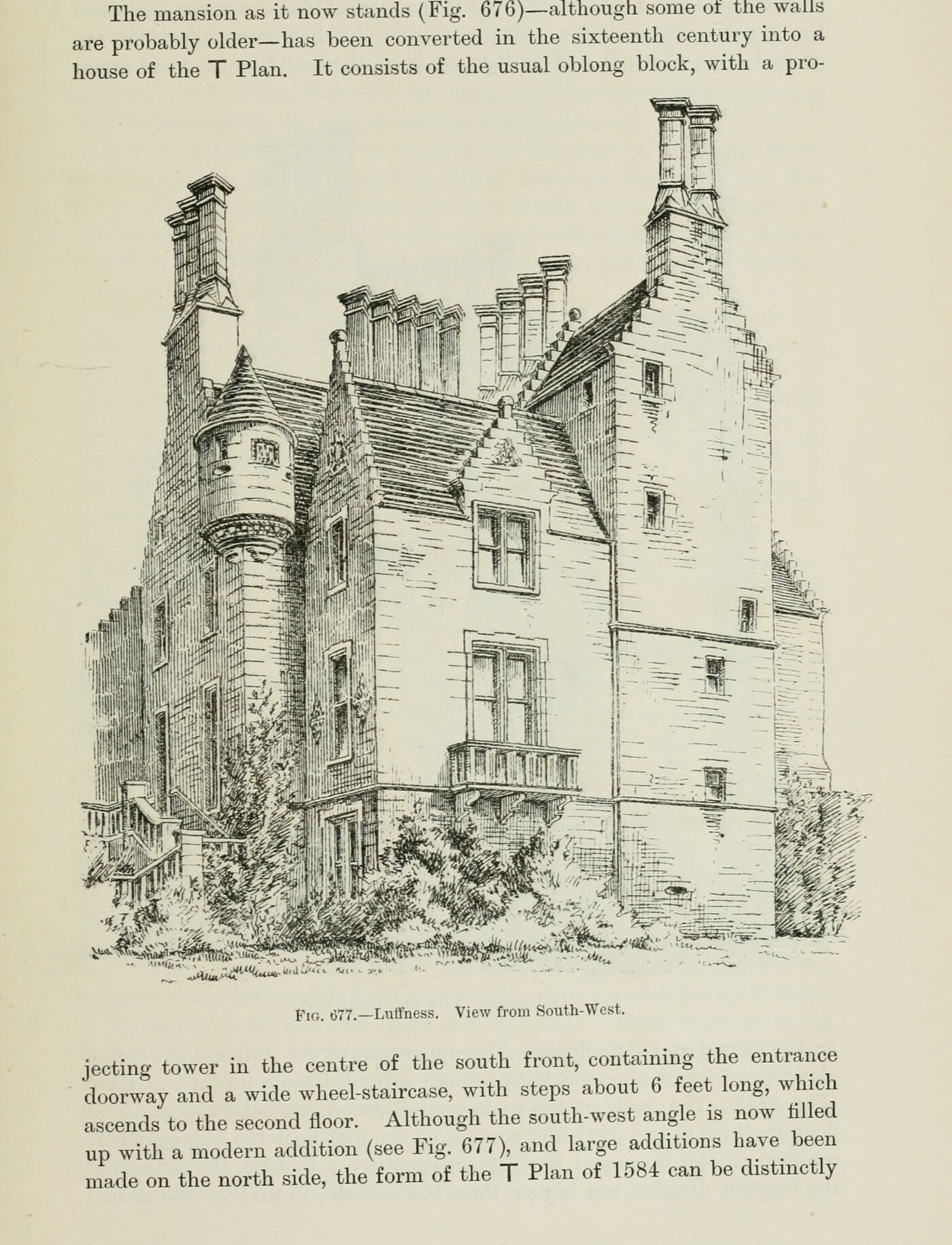
Fig. 677. Luffness. View from South-West.
1892 · MacGibbon & Ross, vol. 4 (1892)
Public domain
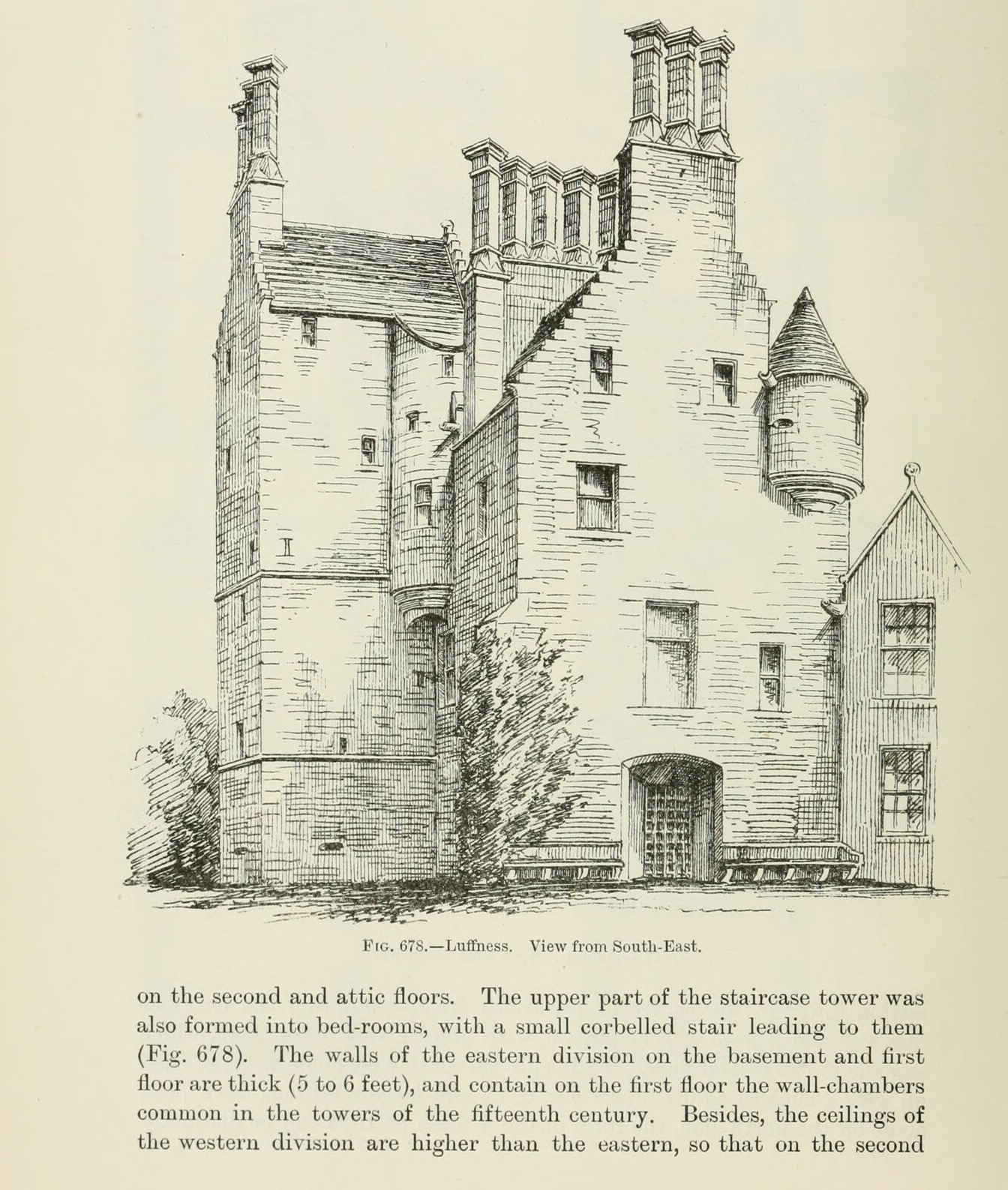
Fig. 678. Luffness. View from South-East.
1892 · MacGibbon & Ross, vol. 4 (1892)
Public domain
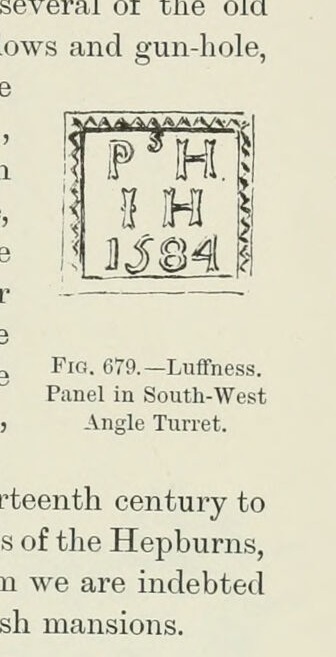
Fig. 679. Luffness. Panel in South-West Angle Turret.
1892 · MacGibbon & Ross, vol. 4 (1892)
Public domain
Nearby


