
Finland · Restored
Turku Castle
Turun linna
Turku Castle is a large medieval fortress in the city of Turku, Finland, founded in the late 13th century and developed through the 15th–16th centuries. It served as the regional bastion and administrative centre of Finland Proper and reached its architectural peak in the mid-16th century under Duke John and Catherine Jagellon.
First raised
1300
Its prime
1560
Today
Restored
As it stood in 1560
What Turku Castle looked like in its prime.
A massive square stone keep with two prominent square gateway towers and very thick basal walls (about 5 m) anchors the complex; attached to it is a lower Renaissance bailey with several smaller turrets and a distinct roofline. The castle sits at the edge of the Aura River and was formerly islanded by a moat. The keep presents crenellated parapets and rectangular towers, while the bailey shows pitched roofs over Renaissance halls; at prime the whole complex is complete and fully roofed.
Its story
The story of Turku Castle.
An Outpost on the Aura, 1280s–1320s
Construction began around 1280, as Sweden consolidated its hold on southern Finland and created the office of crown bailiff for the region, first held by Carolus Gustavi. The castle rose on an islet at the mouth of the Aura River as a fortified camp for the bailiff and crown soldiers, gated on each side with a tower at the western end. The island made it hard to besiege and let it watch shipping on the river and keep open the sea route to Sweden; its chief task was not to guard the growing town by the cathedral but to collect taxes and ship them to Sweden.
Under castellan Matias Kettilmundinpoika the castle kept courtly state for the first time in the 1320s: feasts, rich furnishings and his own falconer, in a tenure of only a couple of years.
War over the Crown and the Siege of 1365
When the Swedish nobility deposed King Magnus Eriksson and raised the German prince Albert of Mecklenburg in 1364, Bo Jonsson Grip, a rich noble who held all of Finland as his fief, used Turku Castle to resist the new king. The castle suffered heavy damage in the fighting and, after a siege lasting more than eight months, was surrendered to Albert in 1365. Its ruined sections were rebuilt on a grander scale, and by the end of the century Turku Castle ranked among the largest and most important castles in the Nordic lands.
Duke John's Renaissance Court and Its Reversal
After Sweden left the Kalmar Union in 1523 the medieval fortress was already badly outdated, and Gustav Vasa disliked it, in a letter of 1556 he complained of its "decrepit houses and rooms", their windows glazed with parchment. Its position was still too important to abandon, so on his orders it was repaired and enlarged in the Renaissance spirit, the outdated passageways replaced by stair towers. Once the main castle had lost its military value it was recast as a residential palace on German, Spanish and Polish models, with an entirely new top floor.
Gustav Vasa made his son John Duke of Finland in 1556, and John lived in the castle until 1563. On Christmas Eve 1562 he brought his wife Catherine Jagiellon, daughter of the king of Poland, to Turku. The duke's court was the only Renaissance court life Finland ever saw, in a castle employing 600 people, most of them women.
It ended in open conflict with John's elder brother, King Eric XIV, since Sweden was at war with Poland when the marriage was made. Eric's troops besieged the castle for three months in the summer of 1563, until it surrendered in August and the ducal couple were taken prisoner. Four years later, after John took the throne in a nobles' coup, the roles reversed: Eric and Karin Månsdotter were held prisoner in the castle until his secret correspondence with Tsar Ivan the Terrible was discovered, and he was separated from his family and shut in the six-sided tower on the bailey side.
Civil War Sieges and the Fire of 1614
John III's Catholic son Sigismund, king of Poland since 1587, inherited the Swedish crown in 1592 and ruled from abroad, setting him against the Swedish council and its regent, Duke Charles. Finnish nobles under Marshal Klaus Fleming backed Sigismund in the civil war that followed, and Turku Castle was besieged in 1597 and again in 1599; the second siege ended with a massacre in Turku's town-hall square on 10 November 1599. In April 1614 the new king Gustav II Adolf took up residence for a good month; while he dined in the great hall, now the castle church, fire broke out in a chamber and within hours destroyed everything flammable in the main castle. It was rebuilt, but outdated in any case, and became the crown's grain store, while castle life moved entirely into the bailey.
From Governor's Seat to Museum
Per Brahe, governor-general of Finland, made the bailey a social centre during his terms in 1637–1640 and 1648–1651; after him it too declined, and the castle lost its administrative role for good in 1698, when the provincial governor moved into town. It was a prison from the 18th century to the close of the 19th, was used by the Russian navy during the Finnish War of 1808–1809, and passed to Finnish regional authority once the tsar granted the Grand Duchy greater autonomy; the Turku Historical Museum gained control in 1881. Restoration begun before the Second World War was halted by the Winter War and the Continuation War, during which Soviet incendiary bombing damaged the castle; it was completed in 1987, and administration passed to the City of Turku in 1993.
Step inside
10 places to explore in 1560.
The record describes 10 distinct spots at Turku Castle, including 4 interiors: renaissance floor (level), king's and queen's hall, banquet rooms and castle church and more. Create your own photoreal reconstruction and explore every one, more scenes means more rooms, more angles, and more of the place to stand in.
Build Your Own Castle
Recreate Turku Castle with AI to explore it.
The artist rebuilds it as it stood in 1560, a photoreal reconstruction that belongs to you alone. Pay with coins, no subscription needed.
Recreate this castle →Defend this castle →From the archive
Turku Castle on paper: the measured plan and period views.
The survey plan and photographs below are the ground truth this page's reconstructions are checked against, drawn and photographed while the castle was still a working garrison. Every image is public-domain or openly licensed, with its source named.
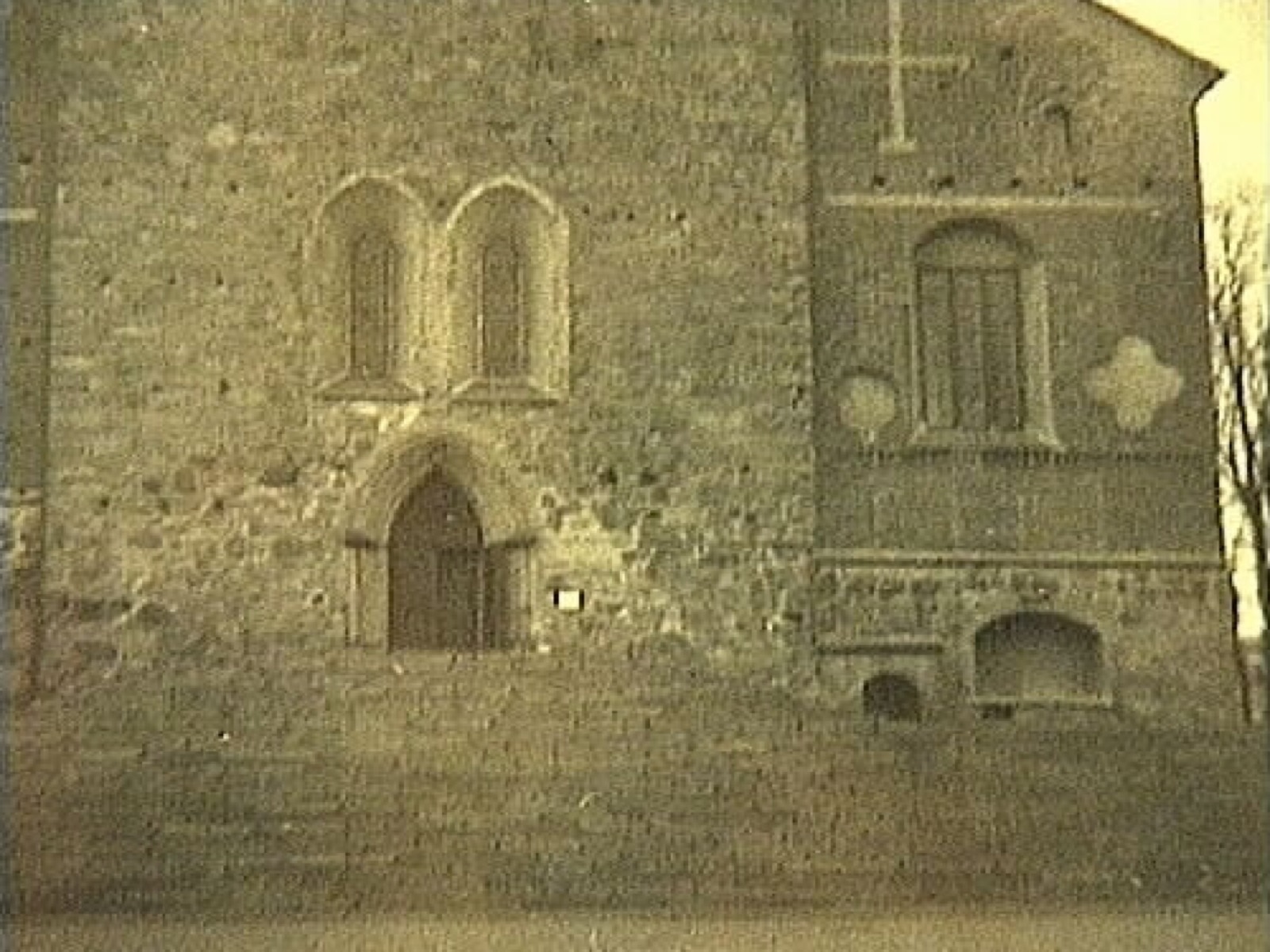
Åbo slott, exteriör.
· Örebro County Museum (via Europeana)
Public domain
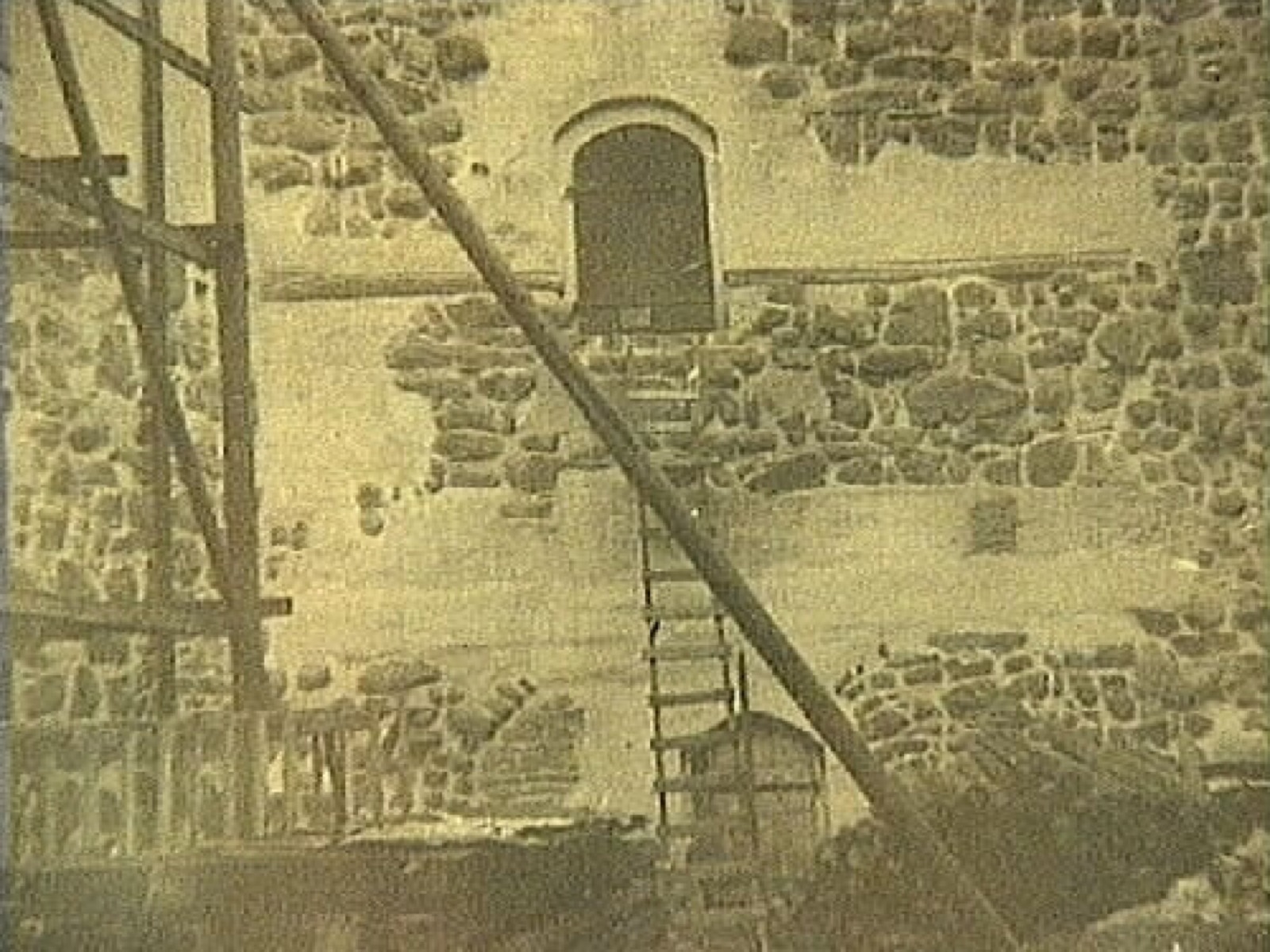
Åbo slott, exteriör.
· Örebro County Museum (via Europeana)
Public domain
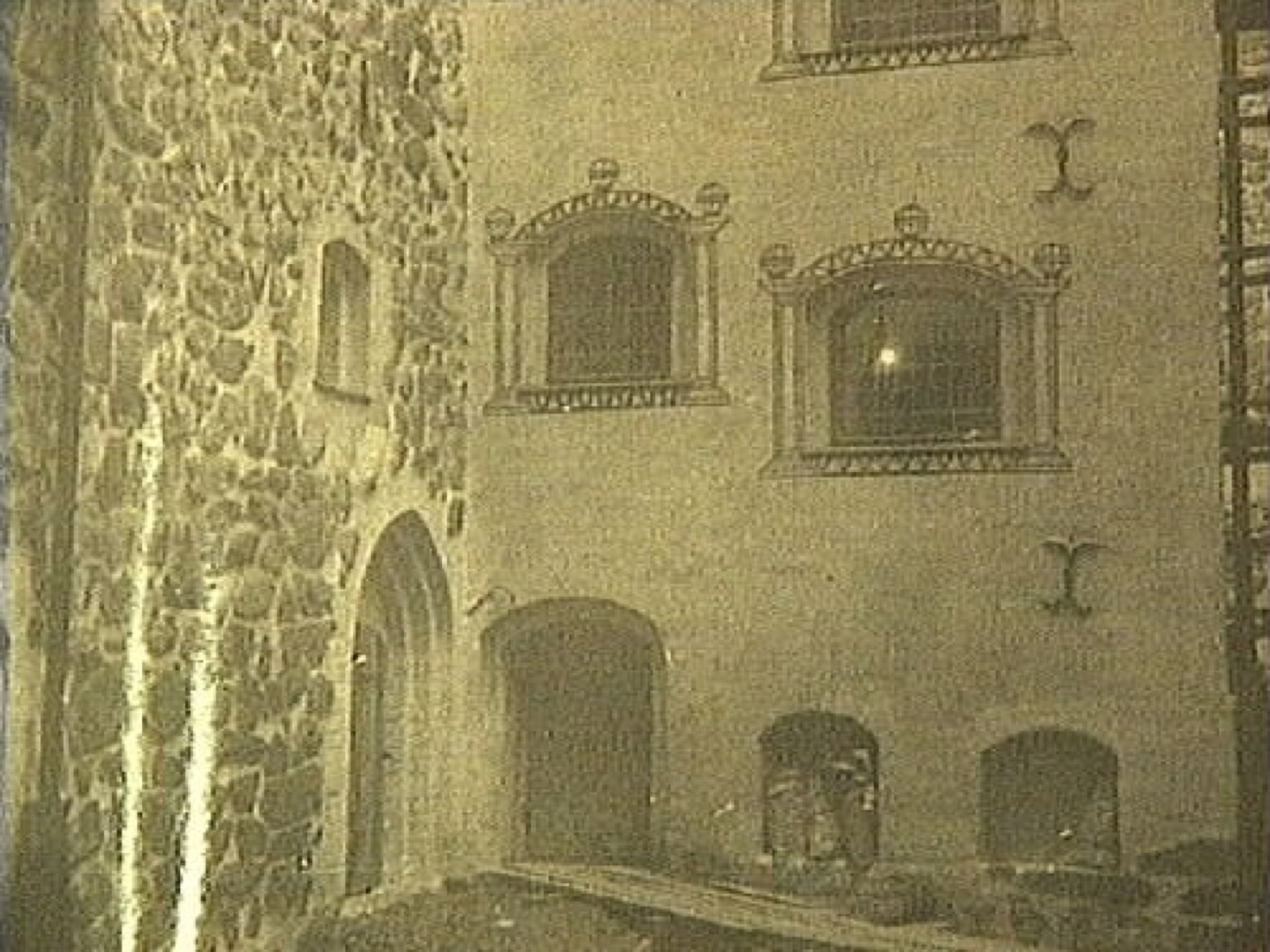
Åbo slott, exteriör.
· Örebro County Museum (via Europeana)
Public domain
Questions about Turku Castle
What is the history of Turku Castle?
What is inside Turku Castle?
Who owns Turku Castle now?
Why was Turku Castle built, and what was it used for?
Where is Turku Castle?
When was Turku Castle built?
Was Turku Castle ever attacked or besieged?
What did Turku Castle look like in its prime?
Is Turku Castle still standing, or is it a ruin?
Can you visit Turku Castle?
More castles of Finland


Explore the city

