Clan Rising
Oleśnica Castle today

Poland · Restored

Oleśnica Castle

Zamek Książęcy w Oleśnicy

Oleśnica Castle is a Renaissance-era castle in Oleśnica, Lower Silesian Voivodeship, Poland, erected 1542–1561 on the site of an earlier Gothic fortress. It served as the seat of the Dukes of Oleśnica and later passed into other ownership; it has undergone several restorations and is still standing today.

Photograph via Wikimedia Commons

Its prime

1561

Today

Restored

As it stood in 1561

What Oleśnica Castle looked like in its prime.

Rectangular, four-storey masonry palace with yellow-beige plastered façades over a stone base, a symmetrical front elevation of evenly spaced rectangular windows and a ground‑floor arched gateway. A steep grey slate roof is punctuated by a regular row of steep triangular gabled dormers; a taller central copper-clad lantern tower with a layered spire rises above the ridge. Small round corner turrets with green copper domes mark the flanks. The building is set back from a broad lawn and framed by mature trees.

Its story

The story of Oleśnica Castle.

Oleśnica Castle was erected between 1542 and 1561 as a Renaissance castle on the site of an earlier Gothic fortress. It served as the seat of the Dukes of Oleśnica until the nineteenth century, when it became the property of the crown prince of Prussia, and it was restored in the 1890s.

After the Second World War the surviving buildings held Hungarian and Italian prisoners of war. The castle has since undergone several restorations and still stands in Oleśnica, in Poland's Lower Silesian Voivodeship.

Step inside

6 places to explore in 1561.

The record describes 6 distinct spots at Oleśnica Castle, including the full exterior approach. Create your own photoreal reconstruction and explore every one, more scenes means more rooms, more angles, and more of the place to stand in.

Front lawn approachCentral arched entrance (ground level)Main façade, windows and plastered elevationsRoofline with gabled dormersCentral copper cupola and towerCorner round turret with copper dome (east)

Build Your Own Castle

Recreate Oleśnica Castle with AI to explore it.

The artist rebuilds it as it stood in 1561, a photoreal reconstruction that belongs to you alone. Pay with coins, no subscription needed.

Recreate this castle →

Castle Siege

Play Castle Siege at Oleśnica Castle.

A strategy game played on Oleśnica Castle’s real ground plan: the same surveyed walls shown in the archive below. Post your finite garrison on the battlements between assaults, then hold out as rams, siege towers, trebuchets and sappers arrive in ever-worse waves.

Sign in free to see the garrison muster. One castle costs 150 Clan Coins and is yours forever.

Sign in to take command →

See every castle’s leaderboard →

From the archive

Oleśnica Castle on paper: the measured plan and period views.

The survey plan and photographs below are the ground truth this page's reconstructions are checked against, drawn and photographed while the castle was still a working garrison. Every image is public-domain or openly licensed, with its source named.
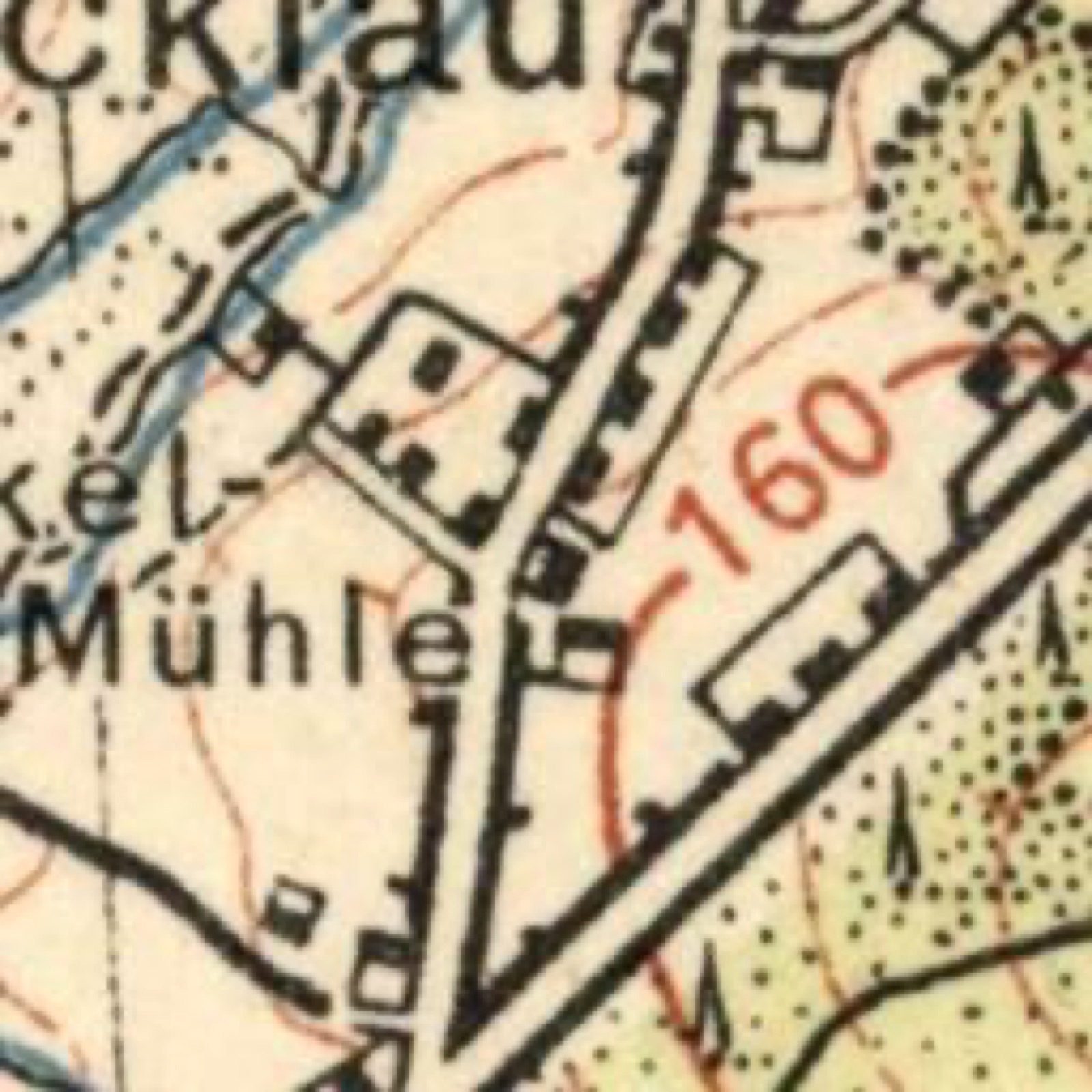
Mapa taktyczna Polski : pas 44 : słup 25 : Oleśnica (Oels), Oleśnica Castle

Mapa taktyczna Polski : pas 44 : słup 25 : Oleśnica (Oels)

1934 · Jagiellonian Library (via Europeana)

Public domain

Questions about Oleśnica Castle

What is the history of Oleśnica Castle?

Oleśnica Castle was erected in the sixteenth century as a Renaissance rebuilding of an earlier Gothic fortress. Construction ran from 1542 to 1561, creating a residence for the Dukes of Oleśnica. It later passed to the Wirtembergs, Welfs and Hohenzollerns, and was restored in the 1890s. After the Second World War, surviving buildings held Hungarian and Italian prisoners of war.

What is inside Oleśnica Castle?

Inside Oleśnica Castle are former stables, offices, representative halls and residential rooms, as well as Renaissance arcaded galleries. The castle also had rooms for widows and guests, a treasury, an armoury and spaces for works of art. Baroque stucco decoration survives in rooms of the south-western wing, and a link once connected the palace with St John the Apostle’s church.

Why was Oleśnica Castle built, and what was it used for?

Oleśnica Castle was built to serve as a fortified ducal residence on the site of an earlier Gothic stronghold. Its Renaissance rebuilding gave the Dukes of Oleśnica a representative palace, while later alterations added rooms for guests, widows, a treasury, an armoury and art collections. After the Second World War, its surviving buildings were used to hold prisoners of war.

Where is Oleśnica Castle?

Oleśnica Castle is in Oleśnica, in the Lower Silesian Voivodeship. The town lies in south-western Poland, and the castle is located within the administrative territory of Oleśnica.

When was Oleśnica Castle built?

Oleśnica Castle was built in the sixteenth century, between 1542 and 1561. The work was a major Renaissance rebuilding on the site of a Gothic fortress from the thirteenth century, and it took place in two main phases, beginning in 1542 and continuing with a second stage from 1559.

Was Oleśnica Castle ever attacked or besieged?

Oleśnica Castle was attacked and captured several times during the Thirty Years’ War. Oleśnica was taken, plundered and damaged in 1634, including four separate captures that year, and it was attacked again in 1640, 1643 and 1648. Earlier, troops of King Casimir the Great occupied the castle in 1345 after invading Oleśnica.

What did Oleśnica Castle look like in its prime?

In its prime, Oleśnica Castle was a rectangular, four-storey masonry palace with yellow-beige plastered façades over a stone base. Its steep grey slate roof had a regular row of triangular gabled dormers, while a taller central copper-clad lantern tower rose above the ridge. Small round corner turrets with green copper domes marked the flanks, and the front had evenly spaced rectangular windows and an arched gateway.

Is Oleśnica Castle still standing or is it a ruin?

Oleśnica Castle is still standing and is described as restored rather than a ruin. It has undergone several restorations, including major work in the 1890s and further renovation in the 1970s. The surviving buildings remained after the Second World War, although the castle was later abandoned in 1993 before being reoccupied.
All castles of Poland · Castles of Europe · the best castles in Europe · explore the finished reconstructions.