Clan Rising
Olsztyn Castle today

Poland · Ruin

Olsztyn Castle

Zamek w Olsztynie (województwo śląskie)

Olsztyn Castle is a 14th-century hilltop castle in the Silesian Voivodeship of Poland, part of the Trail of the Eagles' Nests. Today the site survives as ruins dominated by a tall cylindrical tower and fragments of white-limestone curtain walls set among prominent limestone rock outcrops.

Photograph via Wikimedia Commons

First raised

1201

Its prime

1360

Today

Ruin

As it stood in 1360

What Olsztyn Castle looked like in its prime.

Perched on a grassy hill among jagged limestone outcrops, the castle is defined by a tall cylindrical stone tower with a noticeably darker brick band around its upper section, and stretches of white-limestone curtain wall linking into natural rock. Low, irregular wall fragments and a rectangular wall block remain; narrow earthen tracks climb the ridge to the inner ward. Scattered pillar-like limestone rocks and rocky pinnacles punctuate the slope around the fortification, with open countryside beyond.

Its story

The story of Olsztyn Castle.

Olsztyn Castle was raised in the 14th century on the Kraków-Częstochowa Upland as part of the system of fortifications built by King Casimir III the Great to protect western Lesser Poland from the Czechs, to whom Silesia then belonged. It guarded the southern border of the Kingdom of Poland, on the chain of strongholds now known as the Trail of the Eagles' Nests.

The castle survives as a ruin dominated by a tall cylindrical tower, with fragments of white-limestone curtain wall standing among the prominent rock outcrops of the hilltop. The ruins are one of the biggest attractions of the area.

Step inside

6 places to explore in 1360.

The record describes 6 distinct spots at Olsztyn Castle, including 1 interior: tower interior (prison chamber). Create your own photoreal reconstruction and explore every one, more scenes means more rooms, more angles, and more of the place to stand in.

Approach along the ridgeBase of the round towerTower interior (prison chamber)Inner ward / courtyardCurtain wall and masonry detailsLimestone pillar viewpoint

Build Your Own Castle

Recreate Olsztyn Castle with AI to explore it.

The artist rebuilds it as it stood in 1360, a photoreal reconstruction that belongs to you alone. Pay with coins, no subscription needed.

Recreate this castle →

Castle Siege

Play Castle Siege at Olsztyn Castle.

A strategy game played on Olsztyn Castle’s real ground plan: the same surveyed walls shown in the archive below. Post your finite garrison on the battlements between assaults, then hold out as rams, siege towers, trebuchets and sappers arrive in ever-worse waves.

Sign in free to see the garrison muster. One castle costs 150 Clan Coins and is yours forever.

Sign in to take command →

See every castle’s leaderboard →

From the archive

Olsztyn Castle on paper: the measured plan and period views.

The survey plan and photographs below are the ground truth this page's reconstructions are checked against, drawn and photographed while the castle was still a working garrison. Every image is public-domain or openly licensed, with its source named.
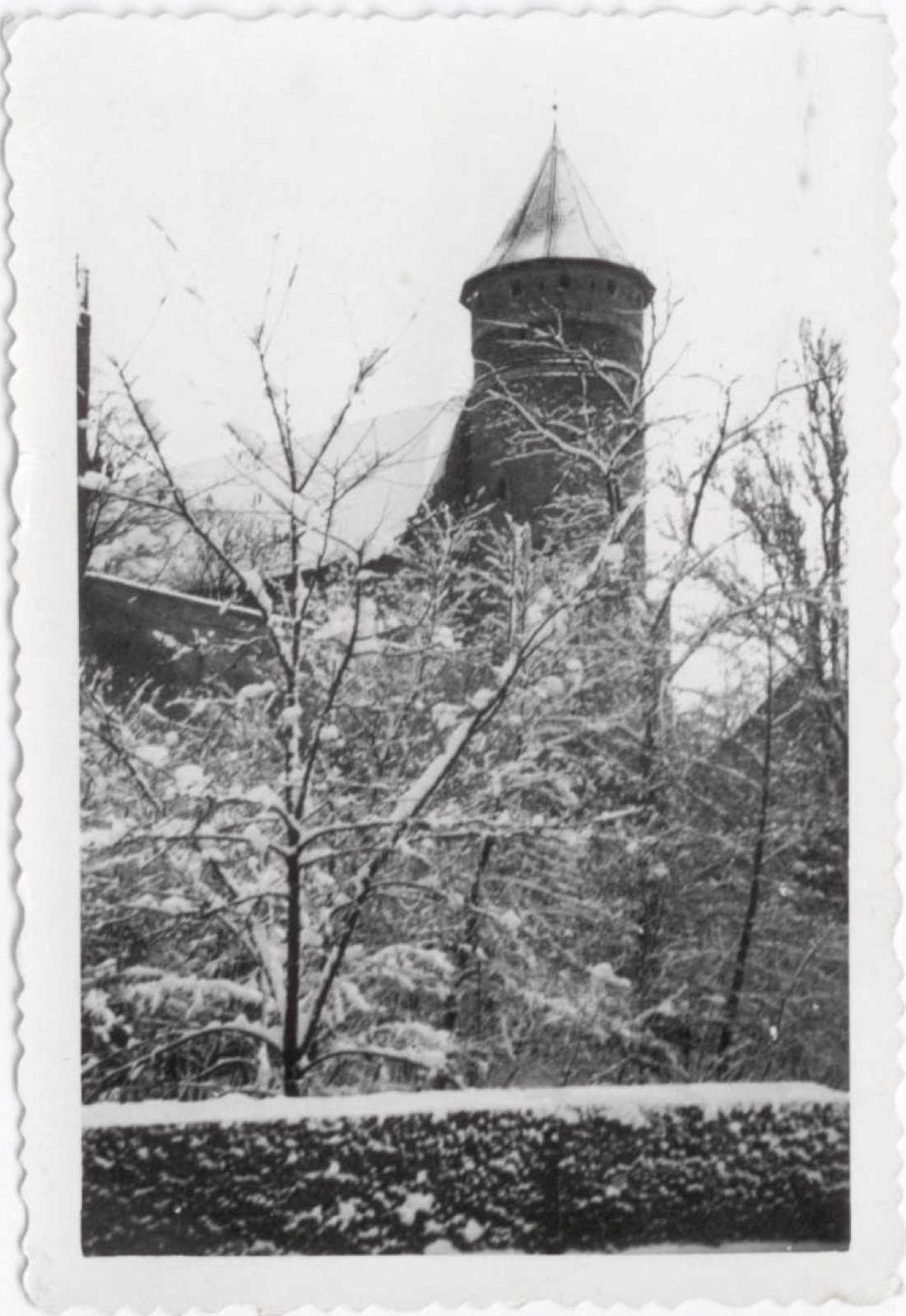
Zamek olsztyński zimą, Olsztyn Castle

Zamek olsztyński zimą

2015 · Warmia-Mazury Digital Library (via Europeana)

Public domain
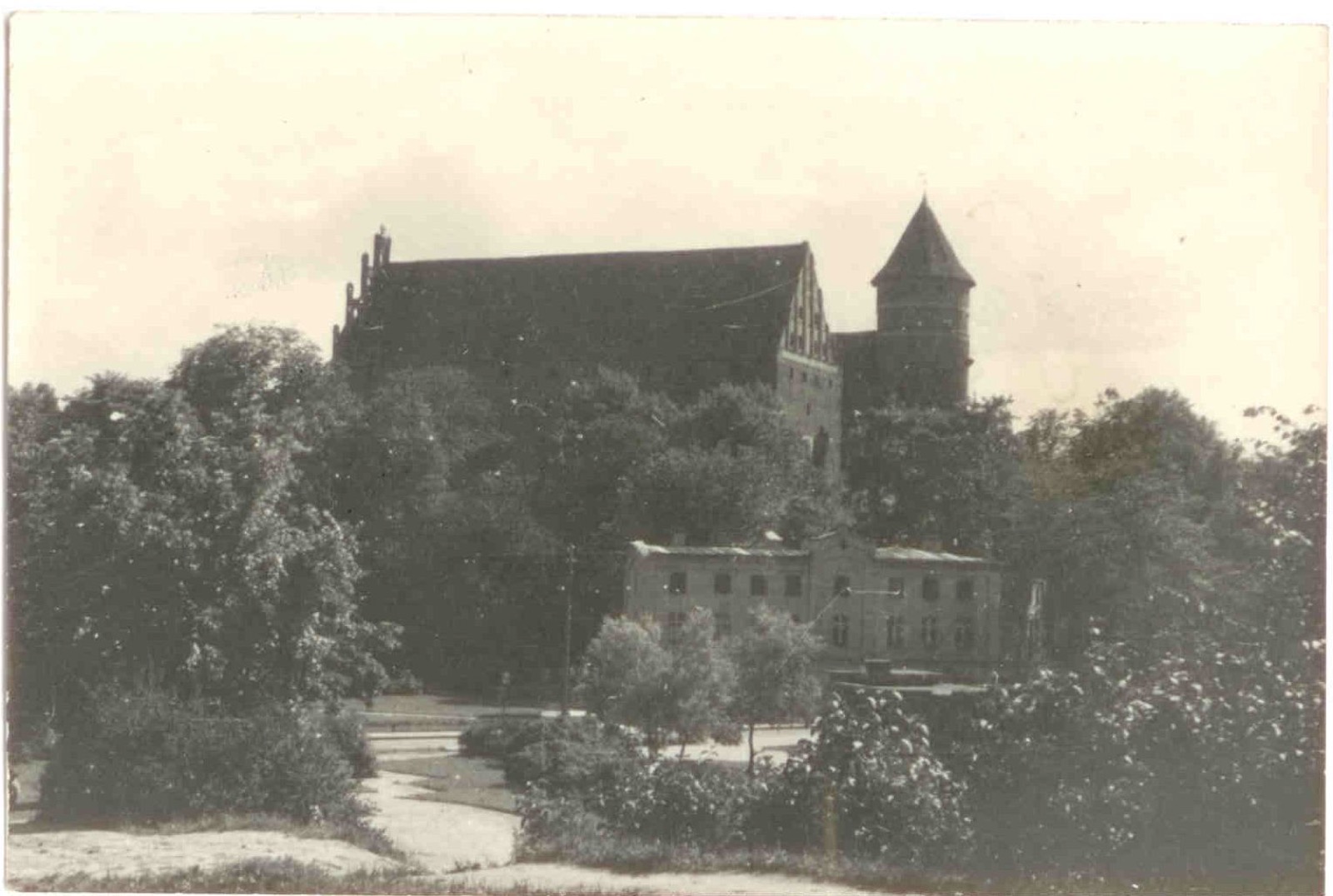
Zamek olsztyński od strony północnej, Olsztyn Castle

Zamek olsztyński od strony północnej

2015 · Warmia-Mazury Digital Library (via Europeana)

Public domain

Questions about Olsztyn Castle

What is the history of Olsztyn Castle?

Olsztyn Castle was raised as a 14th-century frontier fortress protecting western Lesser Poland from the Czechs, when Silesia belonged to them. It formed part of King Casimir III the Great’s system of fortifications along the southern border of the Kingdom of Poland. The Swedes captured and ruined it in 1655, and large lower sections were later dismantled for a parish church built in 1722–1726.

What is inside Olsztyn Castle?

Inside Olsztyn Castle, the surviving remains include parts of the residential section, a cylindrical tower that served as a prison, a square tower, fragments of outbuildings and some cellars. Archaeological work has also revealed foundations of a smithy, traces of furnaces, bridge-pillars and a gate tower in the lower castle. The site is chiefly experienced as ruins rather than as intact rooms.

Why was Olsztyn Castle built, and what was it used for?

Olsztyn Castle was built to protect the western Lesser Poland frontier and the southern border of the Kingdom of Poland. It belonged to a chain of fortifications intended to defend against the Czechs, to whom Silesia then belonged. As warfare advanced, its fortifications became obsolete, and after the Swedish capture in 1655 it was no longer a usable fortress.

Where is Olsztyn Castle?

Olsztyn Castle is in the Silesian Voivodeship, on the Kraków-Częstochowa Upland, at Olsztyn. It stands on a hill among limestone rocks and forms part of the Trail of the Eagles’ Nests. The surrounding setting includes prominent limestone outcrops and open countryside beyond the castle hill.

When was Olsztyn Castle built?

Olsztyn Castle belongs to both the 13th and 14th centuries in the supplied evidence. Its first-raised year is given as 1201, while the site summary and English description call it a 14th-century castle; the Polish article says an existing 13th-century watch-post was expanded in the 14th century. It therefore developed in phases rather than having one unambiguous construction date.

Was Olsztyn Castle ever attacked or besieged?

Olsztyn Castle was attacked by Silesian princes several times in the 15th century, and Austrian forces attacked it in 1587. Its garrison, commanded by Kasper Karliński, successfully defended it despite severe damage. Swedish forces captured and ruined the castle after a short siege in October 1655, after which it became an unusable ruin.

What did Olsztyn Castle look like in its prime?

In its surviving form, Olsztyn Castle was dominated by a tall cylindrical stone tower, with a darker brick band around its upper section. White-limestone curtain walls linked the tower to natural rock outcrops on the grassy hill. Low irregular wall fragments, a rectangular wall block, rocky pinnacles and narrow tracks across the ridge completed the rugged appearance.

Is Olsztyn Castle still standing or is it a ruin?

Olsztyn Castle is a ruin, with only substantial fragments still standing. The remains are dominated by a 35-metre round tower, while defensive walls, parts of the residential and хозяйственные buildings, a square tower and some cellars survive. Large sections of the lower castle were dismantled during construction of the parish church in 1722–1726.

Can you visit Olsztyn Castle?

Olsztyn Castle is open to visitors as ruins. The surviving fortification can be explored on the hill, including the cylindrical tower, inner remains, curtain walls and archaeological features. The Polish article states that the castle ruins are available for visiting, while also noting that some organised pyrotechnic and laser events were prohibited after part of a wall collapsed.
All castles of Poland · Castles of Europe · the best castles in Europe · explore the finished reconstructions.