
Scotland · Still standing
Park House
Park (Castle of Park) is an A-listed rambling baronial mansion near Aberchirder in Aberdeenshire that incorporates a 16th-century Z-plan tower house. The present composition combines the older tower-house core with Georgian and Victorian additions and sits within the remnants of a larger estate including the Park Burn and mature sycamores.
Its prime
1829
Today
Still standing
As it stood in 1829
What Park House looked like in its prime.
A rambling, harled mansion finished in a pale pink render with a mix of vertical tower elements and low connecting blocks; the older Z-plan tower is visible as a crenellated, rectangular stone tower with battlements at one end, while the opposite end has a rounded turreted projection. Slate roofs and tall stone chimneys punctuate several stepped rooflines. Twelve large Georgian sash windows are set in the smooth harled walls. The house sits on a broad lawn with mature trees and the Park Burn nearby.
Its story
The story of Park House.
Park, or the Castle of Park, began as a Z-plan tower house rebuilt in 1563, and that tower still sits at the core of the rambling baronial mansion that grew around it, harled walls, a medieval whetstone reused as an interior arch, twelve Georgian windows still clearly in evidence, and a spread of Victorian additions.
In 1605 the castle was sold to Sir Adam Gordon of Clan Gordon. After a forfeiture it was acquired by Clan Duff, who kept it for nearly 400 years. Of the once-vast estate of the baronetcy of Park, roughly 45 acres remain, with the Park Burn and sycamores planted some 250 years ago.
The long Duff tenure ended in the late 1970s with a sale to a Dutch dentist, Rudi Ovenveldt; in the late 1980s the house passed to the painter James Duncan, who ran it as a hotel and restaurant. The A-listed mansion stands four miles north-west of Aberchirder in Aberdeenshire.
Step inside
7 places to explore in 1829.
The record describes 7 distinct spots at Park House, including 1 interior: interior arch with medieval whetstone. Create your own photoreal reconstruction and explore every one, more scenes means more rooms, more angles, and more of the place to stand in.
Build Your Own Castle
Recreate Park House with AI to explore it.
The artist rebuilds it as it stood in 1829, a photoreal reconstruction that belongs to you alone. Pay with coins, no subscription needed.
Recreate this castle →Defend this castle →Whose castle
Clans who held Park House.
The families that held Park House for a decade or more across its history, follow a name to its clan.
Bought by Sir Adam Gordon of Clan Gordon in 1605; later forfeited.
Duff
Held by Clan Duff for nearly 400 years, until the late 1970s.
From the archive
Park House on paper: the measured plan and period views.
The survey plan and photographs below are the ground truth this page's reconstructions are checked against, drawn and photographed while the castle was still a working garrison. Every image is public-domain or openly licensed, with its source named.
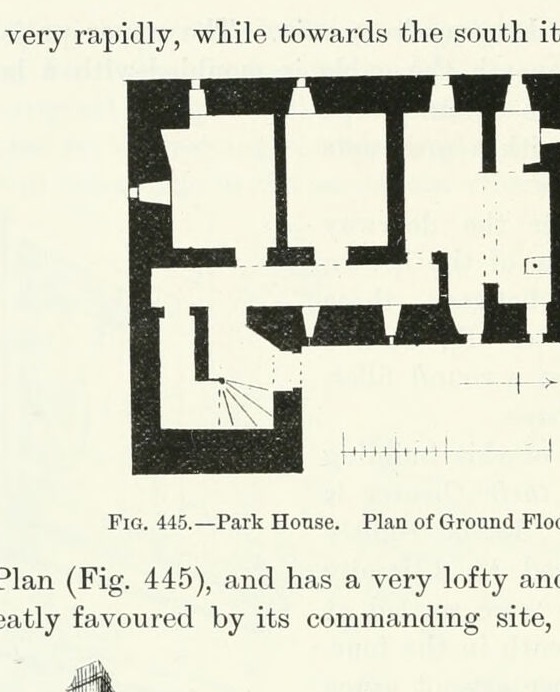
Fig. 445. Park House. Plan of Ground Floor.
1889 · MacGibbon & Ross, vol. 3 (1889)
Public domain
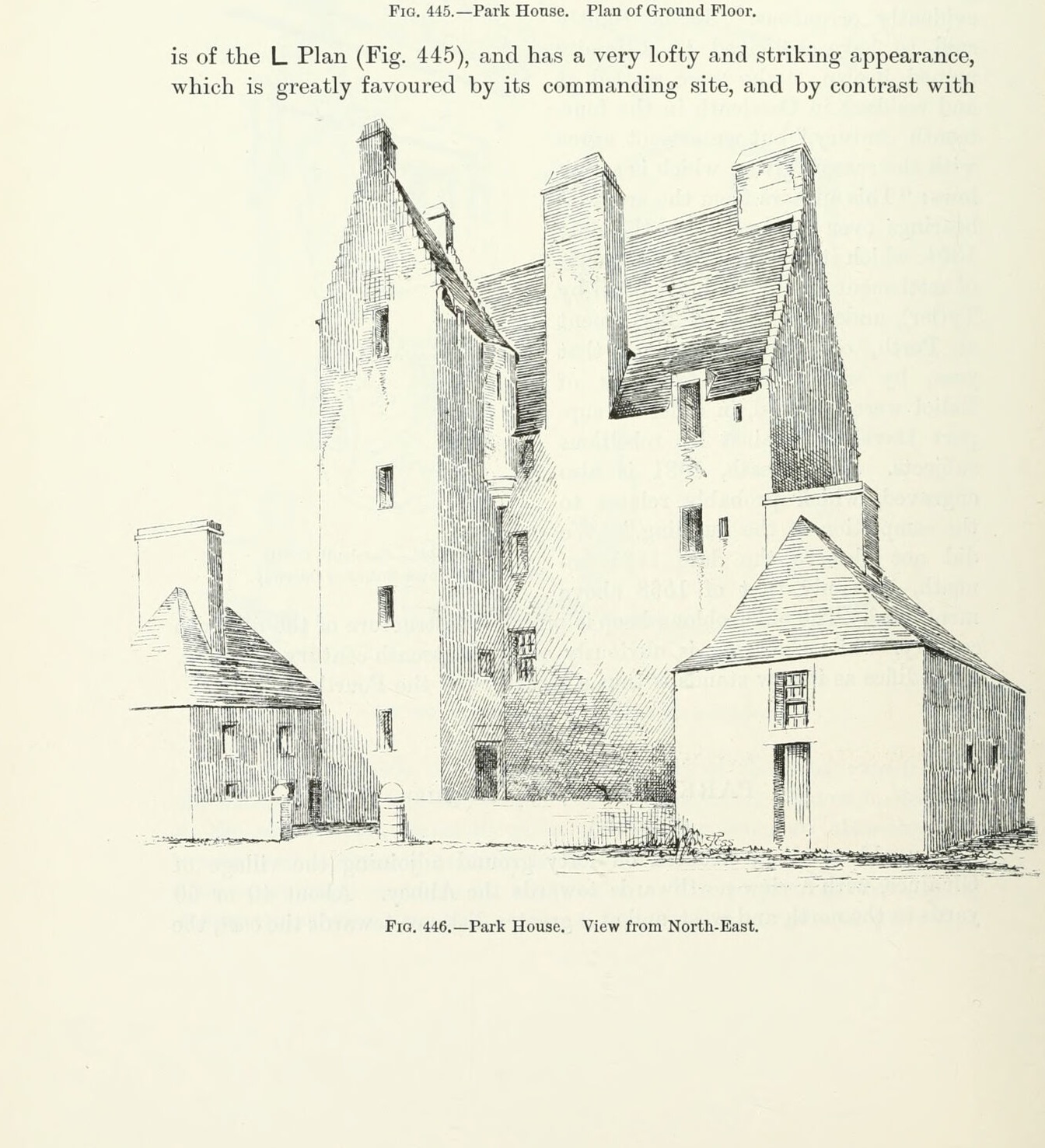
Fig. 446. Park House. View from North-East.
1889 · MacGibbon & Ross, vol. 3 (1889)
Public domain


