Clan Rising
Castell de Santa Florentina today

Spain · Restored

Castell de Santa Florentina

Castillo de Santa Florentina

The Castle of Santa Florentina is an 11th-century medieval castle in Canet de Mar, Catalonia. It was expanded and renovated in 1910 by architect Lluís Domènech i Montaner and today is private property housing a museum and cultural events; it is listed as a Bé d'interès cultural.

Photograph via Wikimedia Commons

Its prime

1910

Today

Restored

As it stood in 1910

What Castell de Santa Florentina looked like in its prime.

A compact courtyard castle of pale beige ashlar masonry, dominated by a square crenellated keep rising above connected ranges of stone buildings. The inner courtyard is lawned with small citrus trees and flanked by façades with pointed-arch stained-glass windows, circular rosettes, and a three-arched stone loggia at ground level. Upper levels show a triple-arched balcony with rounded arches and carved window surrounds; rooflines bear sculpted gargoyles and chimney stacks against a hilly background.

Its story

The story of Castell de Santa Florentina.

The Castle of Santa Florentina was built on the foundations of an ancient Roman villa by Guadimir de Canet, born in 1024, and passed in the 16th century into the hands of Dimas Muntaner. In 1908 it hosted King Alfonso XIII, who made the castle's owner, Ramon de Montaner i Vila, Count of Canet.

In 1910 the modernist architect Lluís Domènech i Montaner expanded and renovated the castle, its facade acquiring gargoyles by the sculptor Carles Flotats i Galtés. Architectural Digest covered it in 1998 as among the "most beautiful houses in the world" for its harmonious fusion of Gothic and Modernist design.

Listed as a Bé d'interès cultural, the castle remains private property. It houses a museum, visitable by appointment, with many works by early 20th-century Catalan artists, and hosts a yearly festival of classical music; in 2015 it served as a setting for the sixth season of Game of Thrones.

Step inside

7 places to explore in 1910.

The record describes 7 distinct spots at Castell de Santa Florentina, including 1 interior: triple-arched loggia threshold. Create your own photoreal reconstruction and explore every one, more scenes means more rooms, more angles, and more of the place to stand in.

Inner courtyard overviewTriple-arched loggia thresholdPointed-arch stained-glass facadeLeft upper arcade / balconyBase of the square keep looking upWest wing doorway beneath ivyCourtyard garden with citrus trees

Build Your Own Castle

Recreate Castell de Santa Florentina with AI to explore it.

The artist rebuilds it as it stood in 1910, a photoreal reconstruction that belongs to you alone. Pay with coins, no subscription needed.

Recreate this castle →

Castle Siege

Play Castle Siege at Castell de Santa Florentina.

A strategy game played on Castell de Santa Florentina’s real ground plan: the same surveyed walls shown in the archive below. Post your finite garrison on the battlements between assaults, then hold out as rams, siege towers, trebuchets and sappers arrive in ever-worse waves.

Sign in free to see the garrison muster. One castle costs 150 Clan Coins and is yours forever.

Sign in to take command →

See every castle’s leaderboard →

Whose castle

Clans who held Castell de Santa Florentina.

The families that held Castell de Santa Florentina for a decade or more across its history, follow a name to its clan.

  • de Canet

    Built in the 11th century by Guadimir de Canet on the foundations of a Roman villa.

  • Muntaner

    Passed into the hands of Dimas Muntaner in the 16th century.

  • Montaner

    Owned by Ramon de Montaner i Vila, created Count of Canet by Alfonso XIII in 1908.

From the archive

Castell de Santa Florentina on paper: the measured plan and period views.

The survey plan and photographs below are the ground truth this page's reconstructions are checked against, drawn and photographed while the castle was still a working garrison. Every image is public-domain or openly licensed, with its source named.
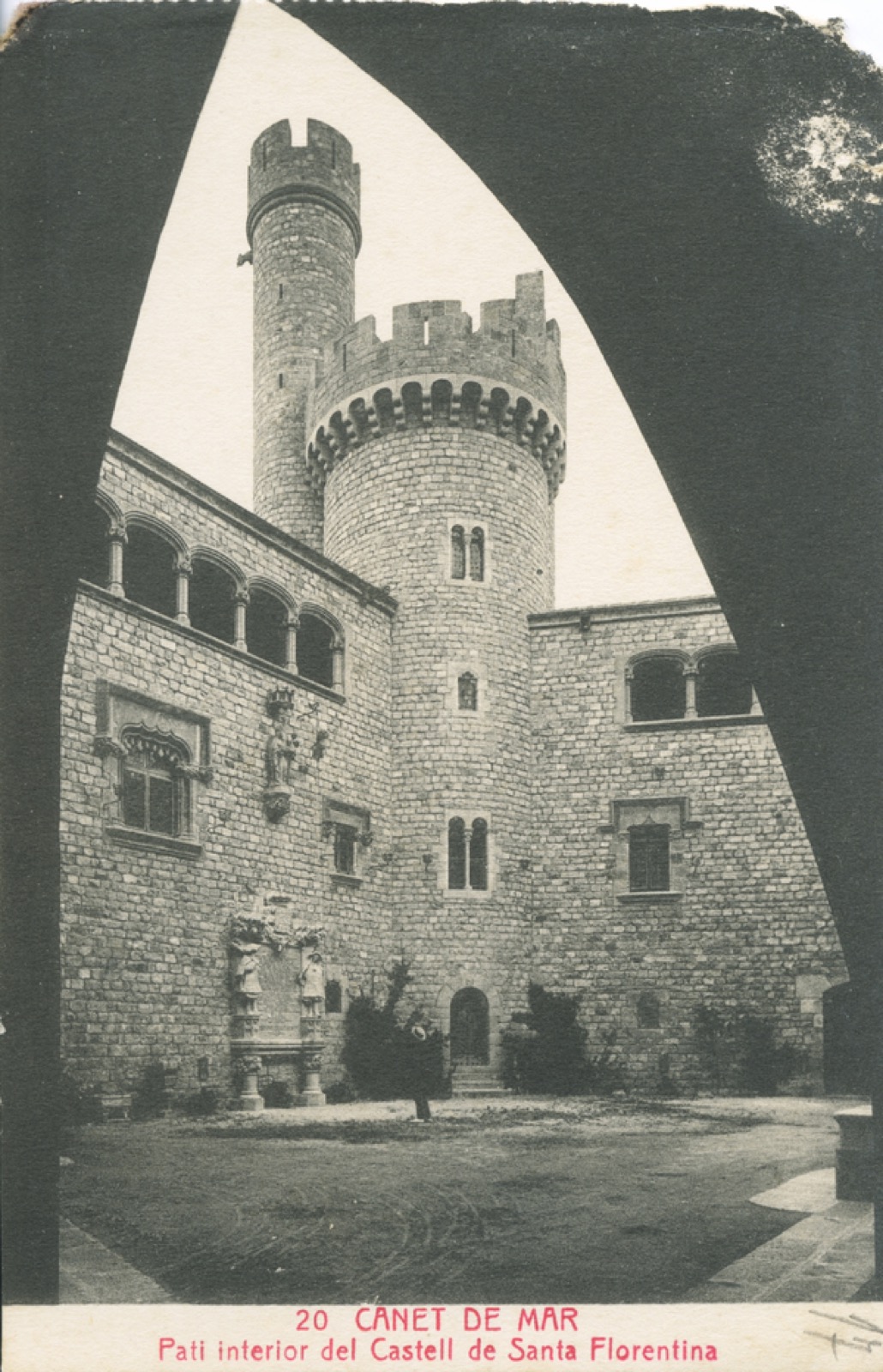
Castell de Santa Florentina, Castell de Santa Florentina

Castell de Santa Florentina

1909 · Trencadís. The Municipal Library Network of the Diputació de Barcelona (via Europeana)

Public domain
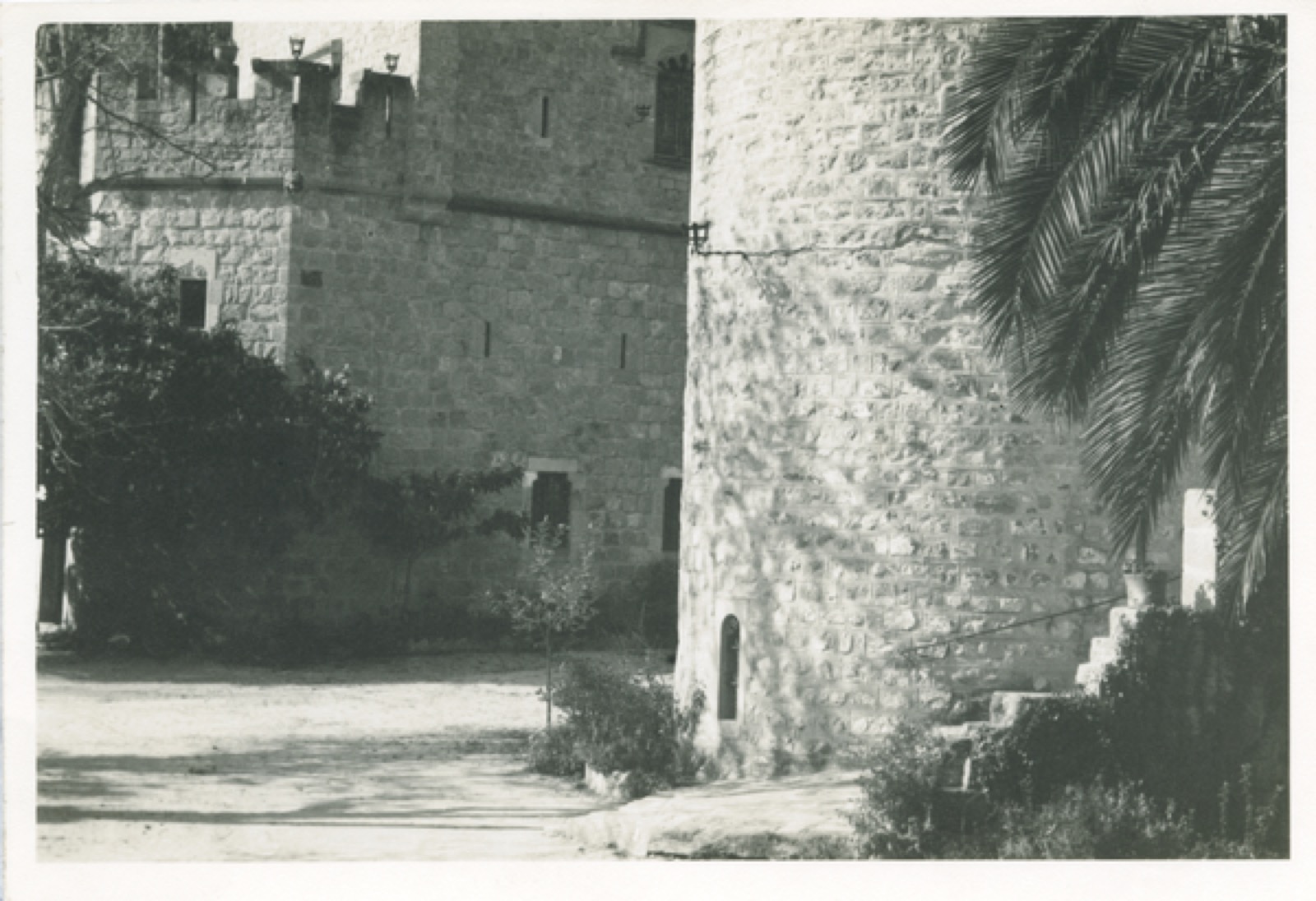
Castell de Santa Florentina, Castell de Santa Florentina

Castell de Santa Florentina

1950 · Trencadís. The Municipal Library Network of the Diputació de Barcelona (via Europeana)

Public domain
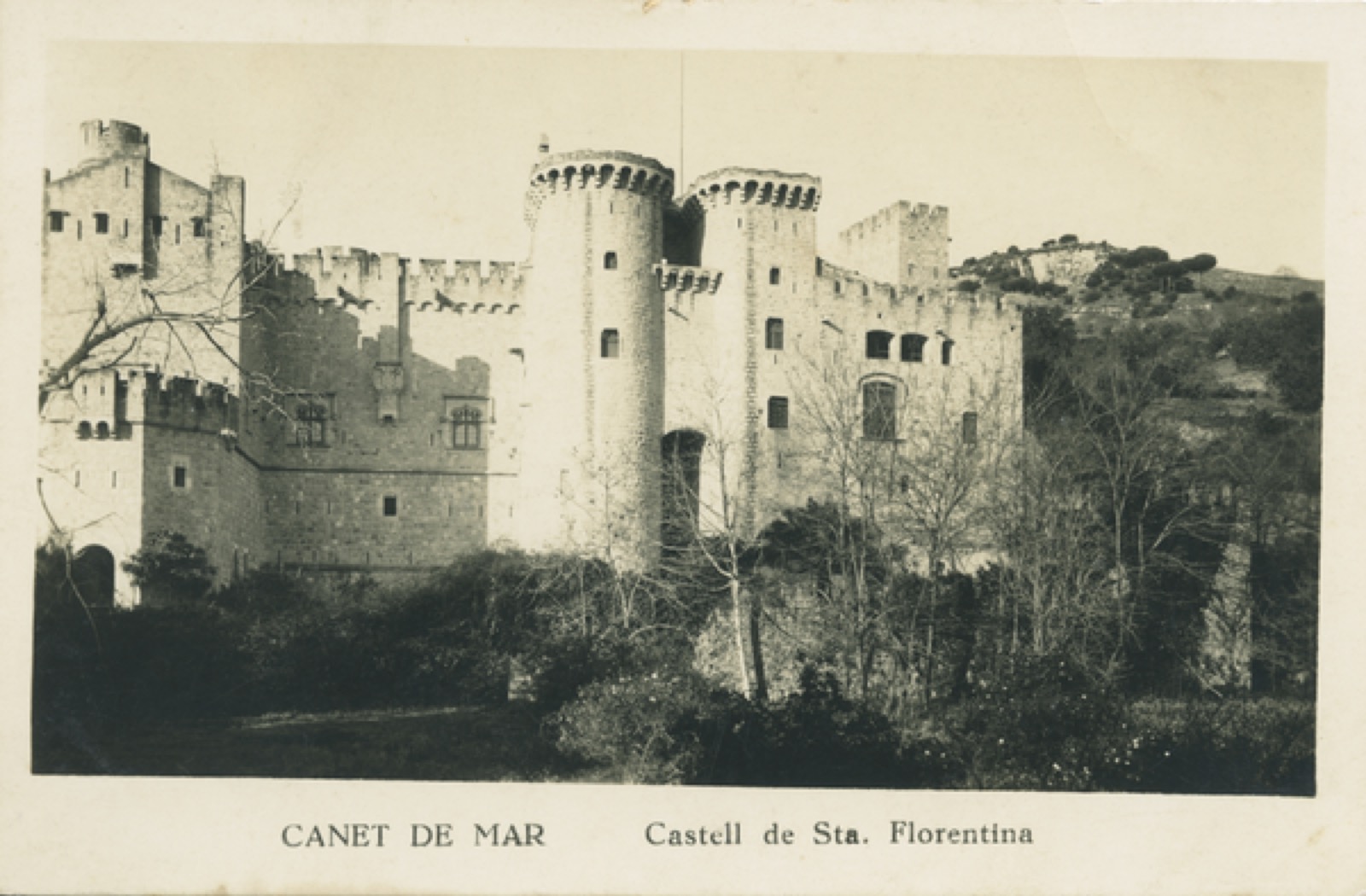
Castell de Santa Florentina, Castell de Santa Florentina

Castell de Santa Florentina

1930 · Trencadís. The Municipal Library Network of the Diputació de Barcelona (via Europeana)

Public domain

Questions about Castell de Santa Florentina

What is the history of Castell de Santa Florentina?

Castell de Santa Florentina was built in the 11th century on the foundations of an ancient Roman villa. Guadimir de Canet was its first documented owner, and the building was adapted as a fortified farmhouse to face pirate incursions. It passed to Dimas Muntaner in the 16th century, then was expanded and renovated between 1900 and 1910 by Lluís Domènech i Montaner.

What is inside Castell de Santa Florentina?

Inside Castell de Santa Florentina are a courtyard, a Gothic gallery, stained glass, wrought iron, coffered ceilings and sculpture. The Saló del Tron displays a painting by Pau Béjar depicting the legend of the shield of Catalonia with Count Guifré el Pilós. The documented interior also includes the threshold of the triple-arched loggia.

Why was Castell de Santa Florentina built, and what is it used for?

Castell de Santa Florentina was built in the 11th century as a fortified farmhouse to face pirate incursions. Its earlier medieval structure included defensive towers with loopholes, while the complex was later expanded and renovated to acquire its present appearance. It now houses a museum and hosts a yearly festival of classical music.

Where is Castell de Santa Florentina?

Castell de Santa Florentina is in Canet de Mar, Catalonia. It stands west of the municipality, to the north of Canet de Mar, in the Maresme region. The castle is located in a hilly setting within the area around the town.

When was Castell de Santa Florentina built?

Castell de Santa Florentina belongs to the 11th century. The first-raised year is not recorded, while the existing complex was substantially modified and expanded in the early 20th century. Lluís Domènech i Montaner carried out the major expansion and renovation between 1900 and 1910, with 1910 recorded as the principal year.

Which family or clan held Castell de Santa Florentina?

The de Canet family held Castell de Santa Florentina in the 11th century, when Guadimir de Canet built it on the foundations of a Roman villa. It passed to Dimas Muntaner in the 16th century. Ramon de Montaner i Vila later owned the castle, and Alfonso XIII made him Count of Canet in 1908.

What did Castell de Santa Florentina look like in its prime?

At its height, Castell de Santa Florentina was a compact courtyard castle of pale beige ashlar masonry, dominated by a square crenellated keep. Connected stone ranges surround a lawned courtyard with citrus trees, pointed-arch stained-glass windows, rosettes and a three-arched loggia. Triple-arched balconies, carved window surrounds, gargoyles and chimney stacks complete its historicist appearance.

Is Castell de Santa Florentina still standing or is it a ruin?

Castell de Santa Florentina is still standing and restored, rather than a ruin. Two old defensive towers and a rectangular building from the medieval complex survive, although they have been modified. The castle was substantially expanded and renovated in the early 20th century, and its façade acquired gargoyles by Carles Flotats i Galtés.

Can you visit Castell de Santa Florentina?

Castell de Santa Florentina can be visited as a cultural attraction and contains a museum. It remains private property, while the museum holds many works by Catalan artists from the early 20th century. The castle is also used for cultural events, including a yearly festival of classical music.
All castles of Spain · Castles of Europe · the best castles in Europe · explore the finished reconstructions.