Clan Rising
Kronoberg Castle Ruin today

Sweden · Ruin

Kronoberg Castle Ruin

Kronobergs slott

Kronoberg Castle is a medieval castle ruin on an island in Helgasjön, 5 km north of Växjö in Kronoberg County, Sweden. Built in the 15th century and repeatedly fortified and rebuilt, it lost strategic importance after the 17th century and later fell into ruin.

Photograph via Wikimedia Commons

Its prime

1660

Today

Ruin

As it stood in 1660

What Kronoberg Castle Ruin looked like in its prime.

A compact island fortress of roughly rectangular plan with continuous stone curtain walls built of irregular local fieldstone, punctured by small rectangular gun- and arrow-holes; two prominent rounded towers anchor the corners and a central gate pierces the long wall facing the mainland. The island is low and grassy, ringed by lake water, and reached by a narrow timber causeway; at its prime the stone walls rose to a continuous parapet walk with defensive embrasures and gun positions.

Its story

The story of Kronoberg Castle Ruin.

Kronoberg Castle stands in ruin on an island in Helgasjön, five kilometres north of Växjö, in the Swedish county that takes its name from the castle. Built in the 15th century close to what was then the border between Sweden and Denmark, it was repeatedly fortified and rebuilt, becoming a stronghold in this part of Småland.

Duke Charles continued work on the fortifications, but at the end of January 1612 the castle was taken and burned by Danish troops under Breide Rantzau, and reconstruction did not begin until 1616. The castle lost its strategic importance after the 17th century and fell into ruin; long open to summer visitors, the site has been closed since January 2023 for lack of maintenance.

Step inside

9 places to explore in 1660.

The record describes 9 distinct spots at Kronoberg Castle Ruin, including 3 interiors: entrance passage through the gate, inner courtyard (inner ward), western rounded tower, interior base. Create your own photoreal reconstruction and explore every one, more scenes means more rooms, more angles, and more of the place to stand in.

Mainland approach and timber causewayOn the timber causeway facing the gateEntrance passage through the gateInner courtyard (inner ward)Western rounded tower, exteriorWestern rounded tower, interior baseParapet and battlement walkIsland shoreline looking back at the castleView of the castle from a boat on Helgasjön

Build Your Own Castle

Recreate Kronoberg Castle Ruin with AI to explore it.

The artist rebuilds it as it stood in 1660, a photoreal reconstruction that belongs to you alone. Pay with coins, no subscription needed.

Recreate this castle →

Castle Siege

Play Castle Siege at Kronoberg Castle Ruin.

A strategy game played on Kronoberg Castle Ruin’s real ground plan: the same surveyed walls shown in the archive below. Post your finite garrison on the battlements between assaults, then hold out as rams, siege towers, trebuchets and sappers arrive in ever-worse waves.

Sign in free to see the garrison muster. One castle costs 150 Clan Coins and is yours forever.

Sign in to take command →

See every castle’s leaderboard →

From the archive

Kronoberg Castle Ruin on paper: the measured plan and period views.

The survey plan and photographs below are the ground truth this page's reconstructions are checked against, drawn and photographed while the castle was still a working garrison. Every image is public-domain or openly licensed, with its source named.
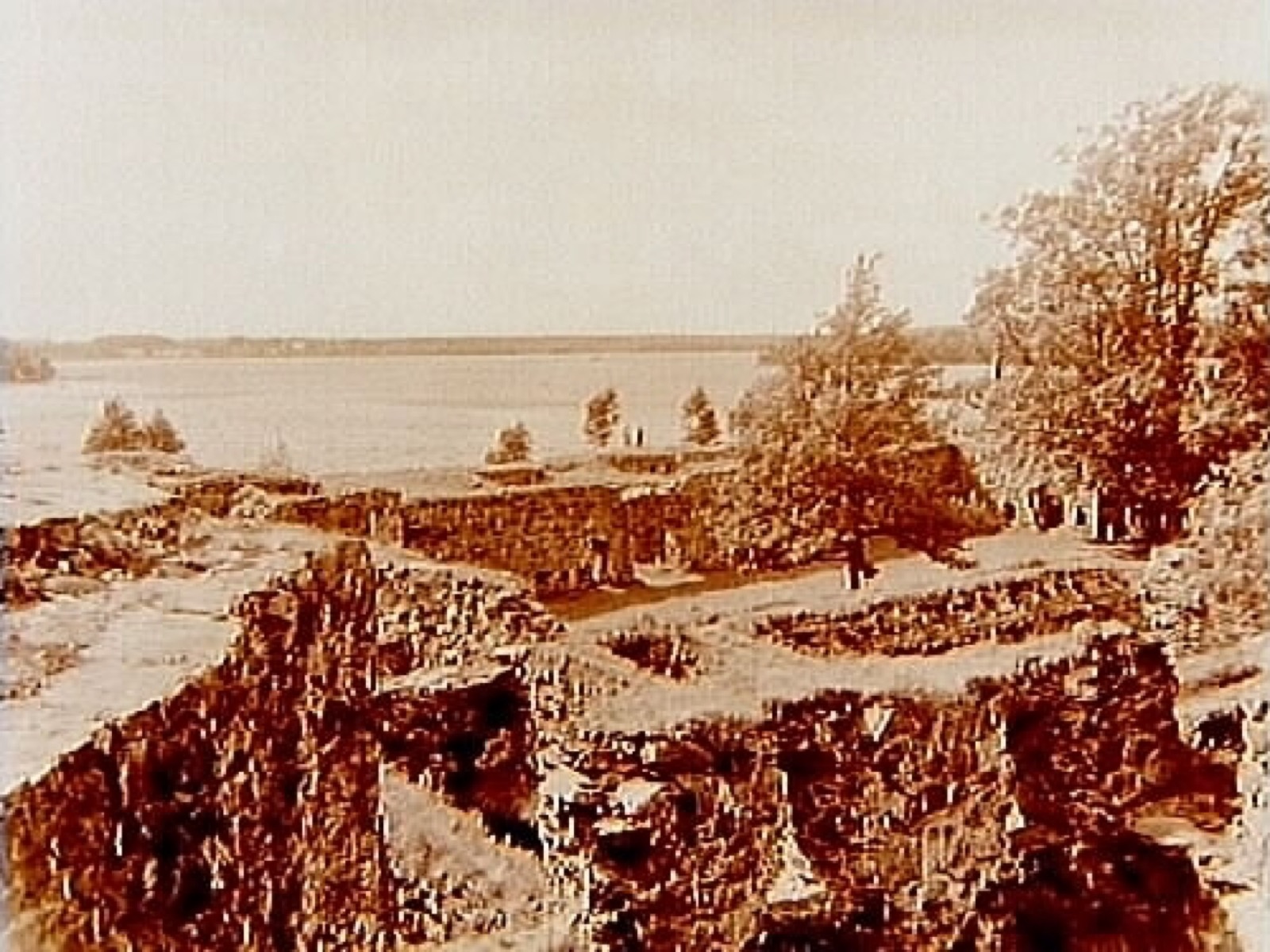
Kronoberg Castle Ruin, a castle ruin located on a islet in the south of Lake Helga.
No: 12., Kronoberg Castle Ruin

Kronoberg Castle Ruin, a castle ruin located on a islet in the south of Lake Helga. No: 12.

· Örebro County Museum (via Europeana)

Public domain
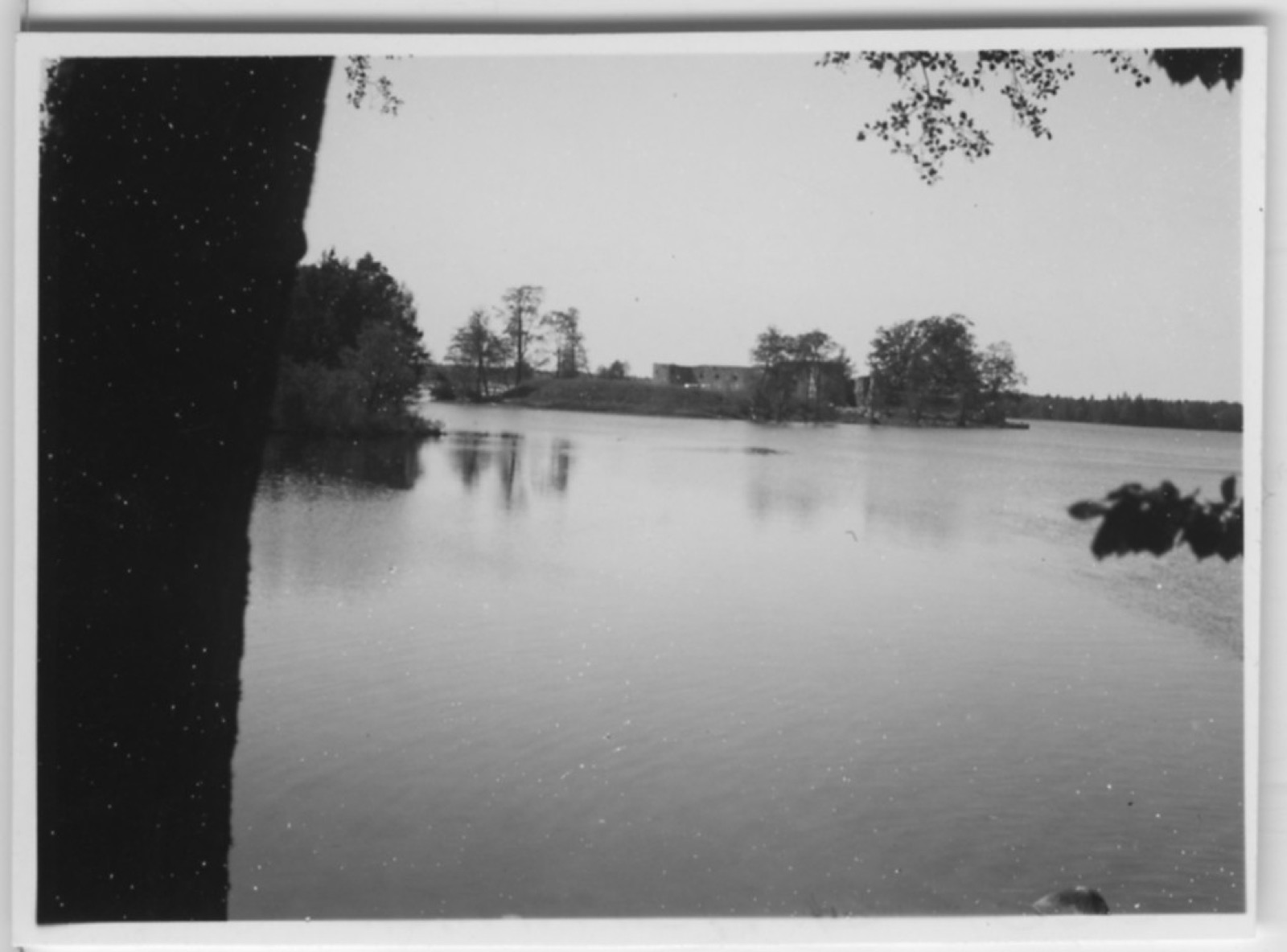
'Biologiska föreningens utfärd till Växjö, Aneboda och Misterhult: ::  :: Vy över Kronobergs slottsruin, med s, Kronoberg Castle Ruin

'Biologiska föreningens utfärd till Växjö, Aneboda och Misterhult: :: :: Vy över Kronobergs slottsruin, med s

· Gothenburg Museum of Natural History (via Europeana)

CC BY
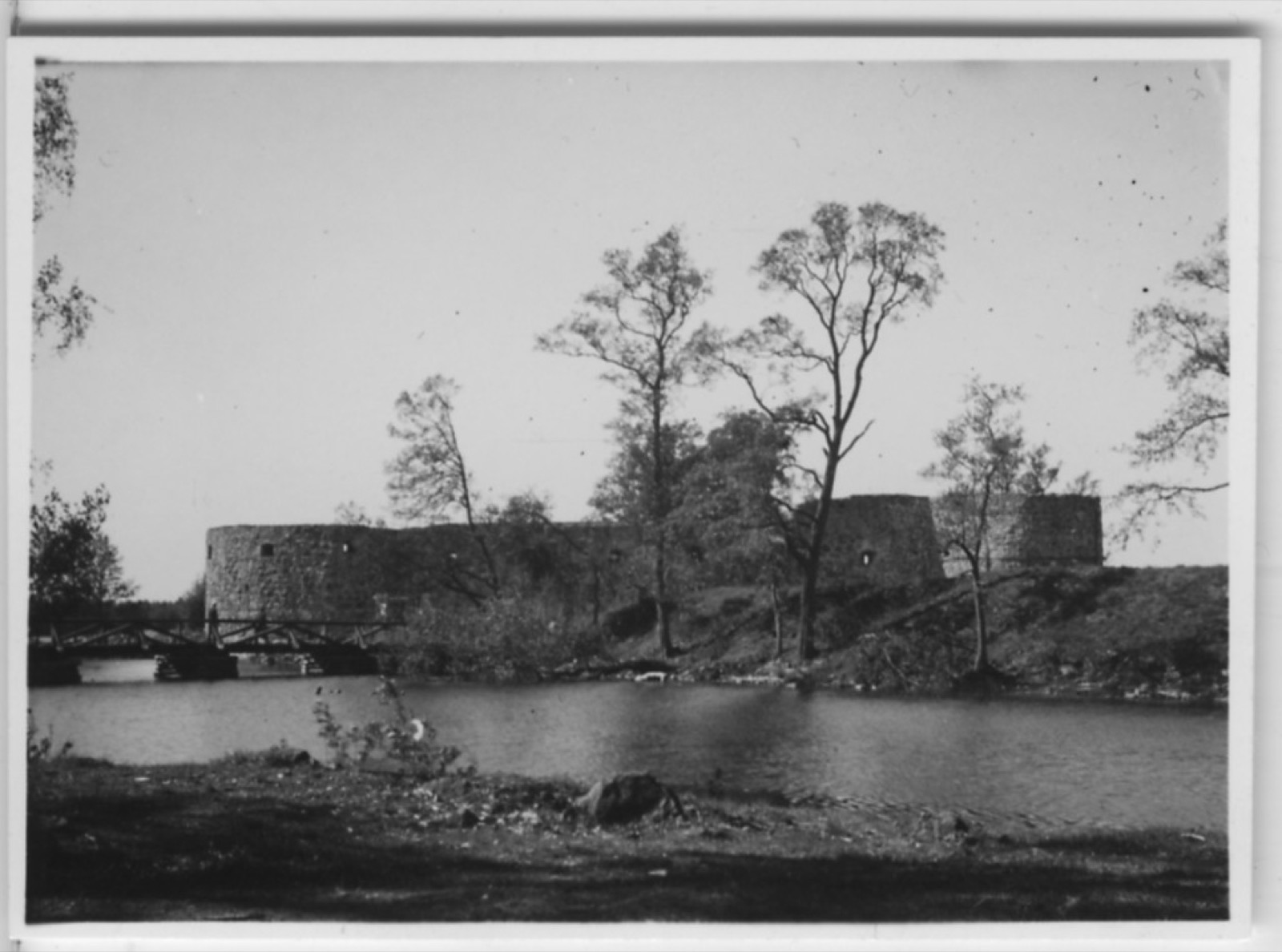
'Biologiska föreningens utfärd till Växjö, Aneboda och Misterhult: ::  :: Kronobergs slottsruin. Vy över ruine, Kronoberg Castle Ruin

'Biologiska föreningens utfärd till Växjö, Aneboda och Misterhult: :: :: Kronobergs slottsruin. Vy över ruine

· Gothenburg Museum of Natural History (via Europeana)

CC BY

Questions about Kronoberg Castle Ruin

What is the history of Kronoberg Castle Ruin?

Kronoberg Castle Ruin was built in the 15th century as a fortified stronghold near the border between Sweden and Denmark. It was repeatedly strengthened, including during the reigns of King Gustav I and Duke Charles. Danish troops under Breide Rantzau took and burned it at the end of January 1612; reconstruction began in 1616. After the border moved in 1658, it lost military importance and decayed.

What is inside Kronoberg Castle Ruin?

Inside Kronoberg Castle Ruin, the documented spaces include the entrance passage through the gate, the inner courtyard and the interior of the western rounded tower. The interior base is also documented. These spaces form part of the surviving castle ruin rather than a complete, furnished interior.

Who owns Kronoberg Castle Ruin now?

Kronoberg Castle Ruin is owned by the National Property Board of Sweden. Kulturparken Småland operates the site. It also has the heritage designation of a monument in Fornminnesregistret, which is separate from its ownership.

Why was Kronoberg Castle Ruin built?

Kronoberg Castle Ruin was built to serve as a stronghold near the border between Sweden and Denmark. Its strategic position made it important for defence in Småland, and it was repeatedly fortified and rebuilt. After the Swedish-Danish border moved to Øresund in 1658, the castle lost its military purpose and was neglected until it became a ruin.

Where is Kronoberg Castle Ruin?

Kronoberg Castle Ruin is on an island in Helgasjön, five kilometres north of Växjö. It lies in Växjö Municipality, in Kronoberg County. The island setting places the castle in the lake known in English as the Helga Lake.

When was Kronoberg Castle Ruin built?

Kronoberg Castle Ruin was first raised in the 15th century. The precise first-raised year is not recorded. Its history includes repeated fortification and rebuilding, including reconstruction that began in 1616 after Danish troops burned the castle in 1612.

Was Kronoberg Castle Ruin ever attacked or besieged?

Kronoberg Castle Ruin was attacked several times. Danish forces destroyed its stone building during the Dano-Swedish War in 1470–71, and the castle was successfully besieged and burned by the Danes in 1570. Danish troops under Breide Rantzau again took and burned it at the end of January 1612.

What did Kronoberg Castle Ruin look like in its prime?

In its prime, Kronoberg Castle Ruin was a compact island fortress with a roughly rectangular plan. Irregular local fieldstone formed continuous curtain walls, with small rectangular gun- and arrow-holes. Two rounded towers anchored the corners, while a central gate opened towards the mainland; the walls had a parapet walk with defensive embrasures and gun positions.

Is Kronoberg Castle Ruin still standing?

Kronoberg Castle Ruin is still standing as a ruin. It was neglected after losing its military significance following the Treaty of Roskilde in 1658, and the building began to decay. The site record gives its present condition as “ruin”, while the castle had been in good condition as late as the reign of King Charles XI.

Can you visit Kronoberg Castle Ruin?

Kronoberg Castle Ruin is closed to tourists. It used to be open during the summer months, but has been permanently closed since January 2023 because of lack of maintenance. The site record also states that it has been closed since January 2023.
All castles of Sweden · Castles of Europe · the best castles in Europe · explore the finished reconstructions.