
Sweden · Partial ruin
Nyköping Castle
Nyköpingshus
Nyköping Castle (Nyköpingshus) is a medieval castle in Nyköping, Sweden, originating in the late 12th century and substantially rebuilt into a Renaissance palace at the end of the 16th century. It contains surviving medieval elements including a Gustav Vasa-era round gun tower; parts were later refurbished to house museum exhibits and a restaurant in the former banquet hall and Queen's Cellar.
First raised
1200
Its prime
1600
Today
Partial ruin
Ranked among Europe’s castles
As it stood in 1600
What Nyköping Castle looked like in its prime.
A compact complex of medieval stonework and later red-brick Renaissance additions, with surviving towers and fragments of curtain walls. A round, stone gun tower from the Gustav Vasa period stands alongside the taller square King's Tower (Kungstornet) and the connected Old Residence (Gamla residenset). The palace reconstruction produces regular rooflines and rows of windows on surviving wings; banquet hall and vaulted cellar spaces sit beneath the main buildings.
Its story
The story of Nyköping Castle.
From Kastal to Castle, 1100s-1305
The site began as a kastal raised in the second half of the 12th century; whether it stood square or round, like the contemporary Kilakastalen, is not known. Birger Jarl is thought to have enlarged it into a larger castle. The old tower was rebuilt when it was absorbed into the works around it. In two stages during the second half of the 13th century a rectangular castle with two outer baileys went up on the site, to all appearances finished in the 1280s.
Erikskrönikan has Magnus Ladulås taking up the duchy of "sudermannaland ok nyköpungs hwss" in 1266, though the chronicle was composed only in the following century. The first documentary mention of Nyköpingshus comes in 1305, when Erik Magnusson signed a bond there.
The Nyköping Banquet, 1308-1317
In 1308 Ingevald Estridsson of the Hammersta family held the castle as bailiff for the dukes Eric and Valdemar. A division between the royal brothers handed it to Birger Magnusson in 1310. In December 1317 it was the setting of the Nyköping Banquet, a Christmas feast that ended horribly for Eric and Valdemar, brothers to King Birger. After the dukes' supporters took the castle, the greater part of it was pulled down, and the place stood derelict for years.
Barnekow, Bo Jonsson Grip and Engelbrekt, 1365-1434
In 1365 the castle was granted in fief to the German knight Raven von Barnekow, who had it restored. Albert of Mecklenburg laid claim to it during the 1370s but appears never to have taken possession; in 1376 it passed instead to Bo Jonsson Grip, and in 1388 his executors made it over to Queen Margaret. On 20 September 1396 the Recess of Nyköping was signed here, one of the great events of the Nordic Middle Ages and a prerequisite for the formation of the Kalmar Union the following year. In 1434 the troops of Engelbrekt Engelbrektsson besieged Nyköpingshus, and the garrison surrendered it to them after a parley.
Sten Sture's Assault to the Fire of 1665, 1516-1665
Sten Sture the Younger stormed the castle in 1516 after Sten Kristiernsson Oxenstierna declared himself ready to give it up to Christian II; the garrison capitulated after a single assault. Gustav Vasa strengthened the place for defence, and a round gun tower of his time survives. On 3 March 1538 Svante Sture the Younger was married to Märta Eriksdotter Leijonhufvud here.
At the end of the 16th century Duke Charles, later Charles IX, rebuilt the medieval castle as a Renaissance palace. Erik Sparre, taken prisoner after Charles defeated Sigismund III Vasa's forces at the Battle of Stångebro, was held in the castle until his execution at the Linköping Bloodbath. Charles IX died at the palace on 30 October 1611, and Charles X Gustav was born there on 8 November 1622. The palace burned with the rest of the town in 1665; it was never re-erected, and some of its brick went into the rebuilding of Stockholm Palace.
Residence, Ruin and Museum, 1719-2020
More of the palace burned in 1719 during the Russian ravages. A new residence, now called Gamla residenset, was afterwards built within Nyköpingshus at the request of the governor Nils Gyllenstierna. Parts of the castle stayed sound enough to serve as the county residence until the 1760s. Parts of the castle were refurbished in the 20th century, and the complex has been a governmental listed building since 25 January 1935.
The National Property Board of Sweden owns the site and Sörmland Museum operates it, with the permanent exhibits in the King's Tower and the Old Residence and a restaurant in the banquet hall and the Queen's Cellar. In October 2020 a previously unknown chamber, thought to have been a defensive room or casemate, came to light.
Step inside
8 places to explore in 1600.
The record describes 8 distinct spots at Nyköping Castle, including 4 interiors: king's tower inner chamber, old residence interior rooms, banquet hall and more. Create your own photoreal reconstruction and explore every one, more scenes means more rooms, more angles, and more of the place to stand in.
Build Your Own Castle
Recreate Nyköping Castle with AI to explore it.
The artist rebuilds it as it stood in 1600, a photoreal reconstruction that belongs to you alone. Pay with coins, no subscription needed.
Recreate this castle →Defend this castle →From the archive
Nyköping Castle on paper: the measured plan and period views.
The survey plan and photographs below are the ground truth this page's reconstructions are checked against, drawn and photographed while the castle was still a working garrison. Every image is public-domain or openly licensed, with its source named.
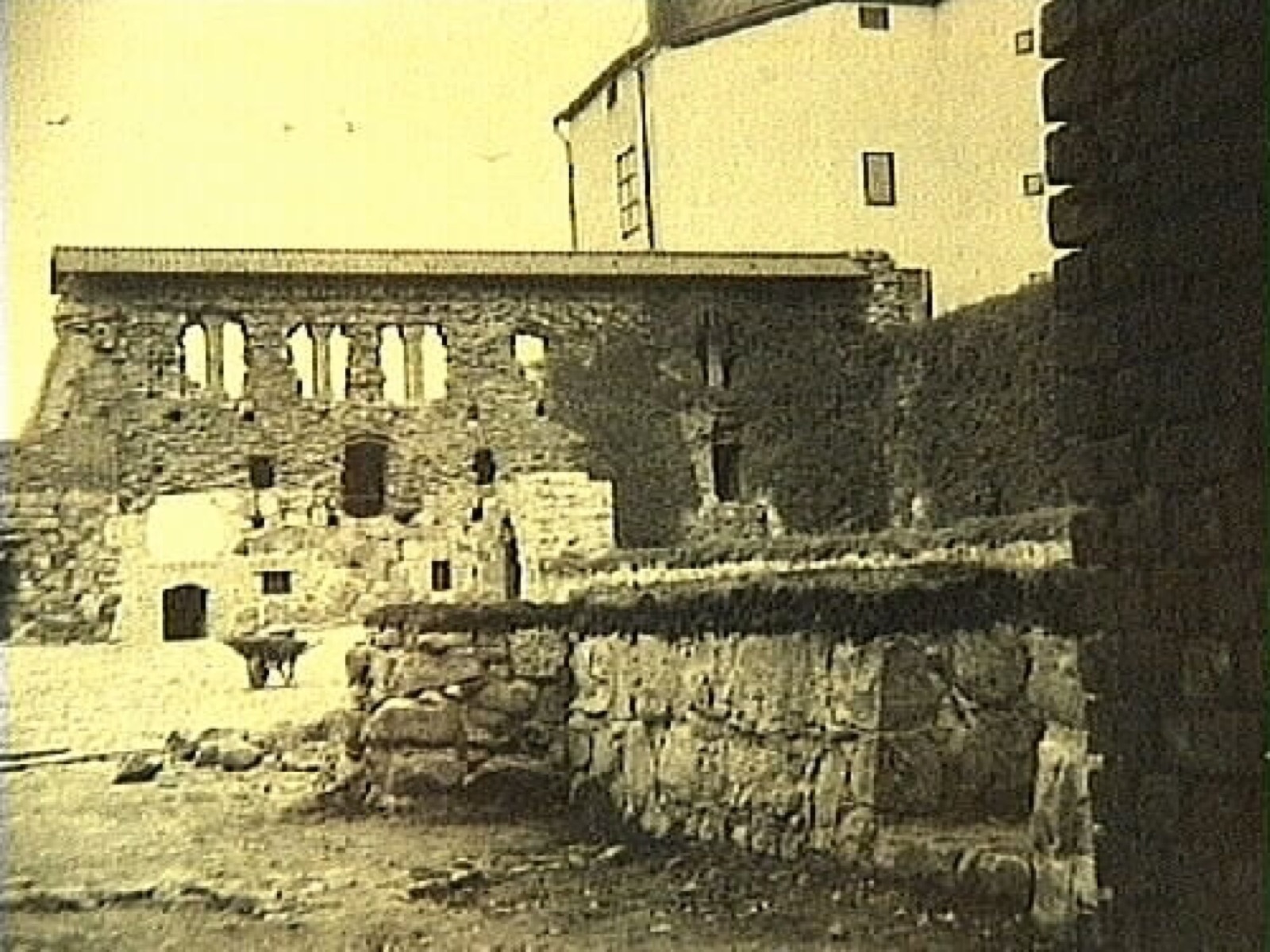
Nyköpings slott, exteriör.
· Örebro County Museum (via Europeana)
Public domain
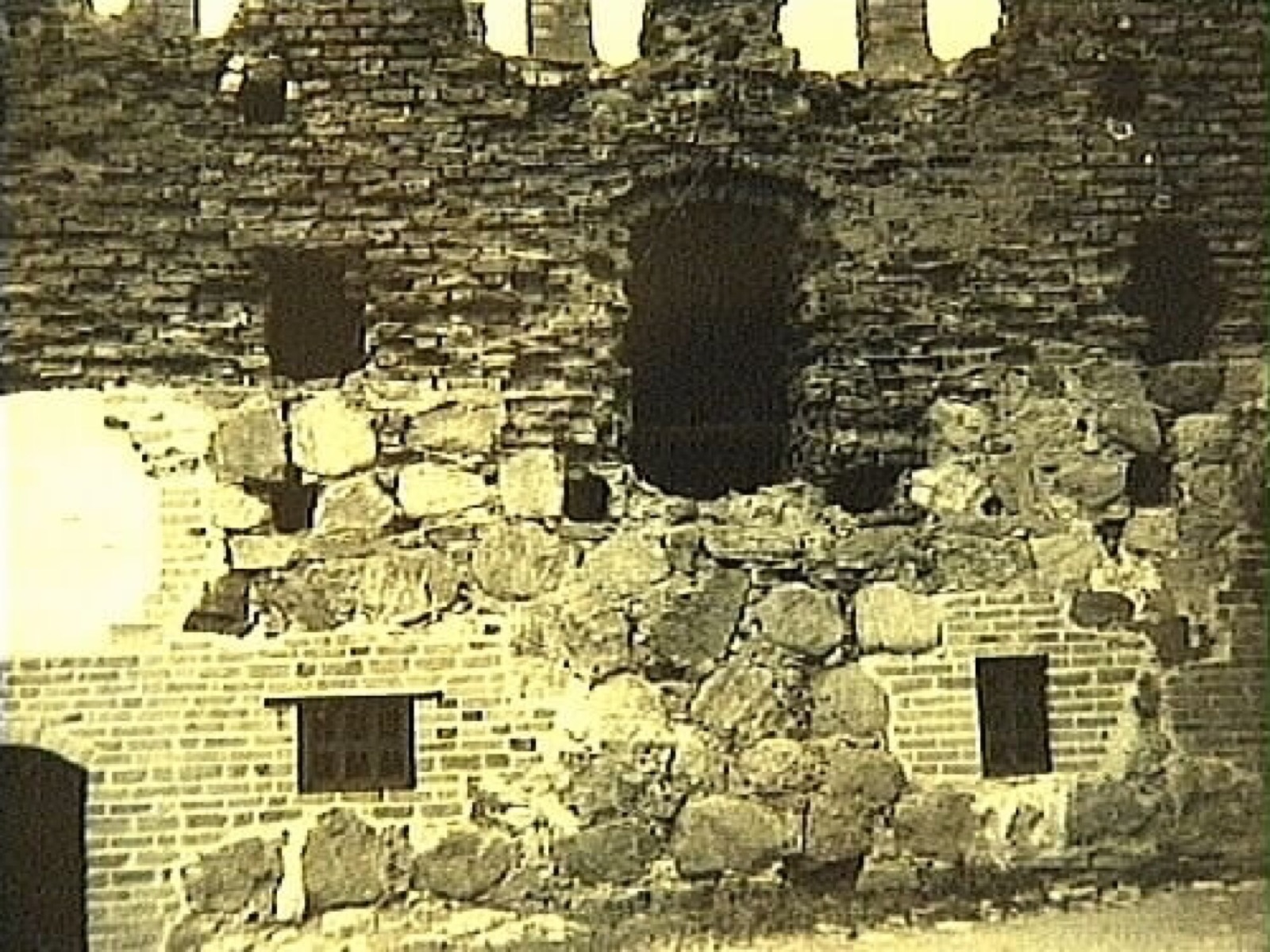
Nyköpings slott, exteriör.
· Örebro County Museum (via Europeana)
Public domain
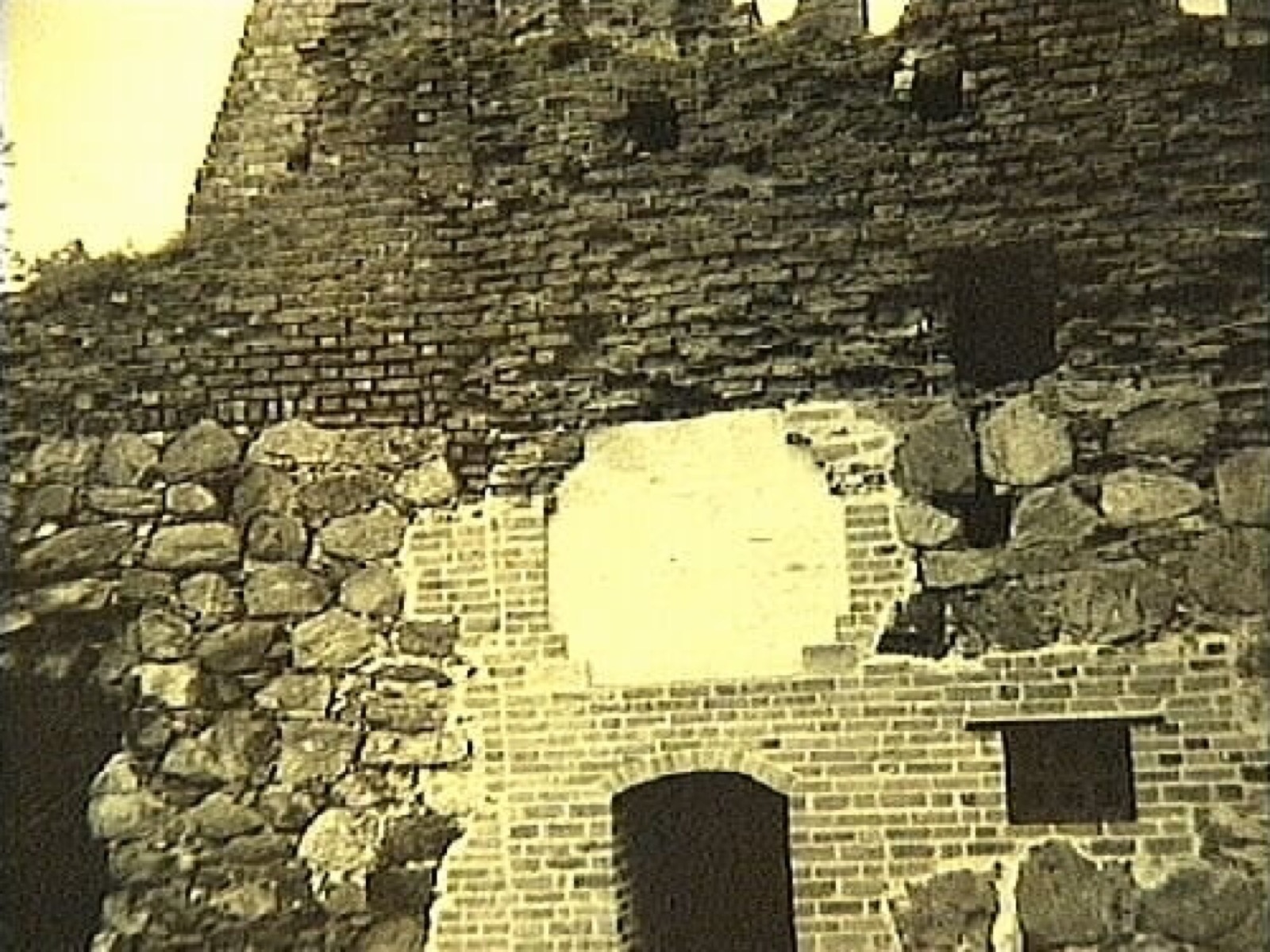
Nyköpings slott, exteriör.
· Örebro County Museum (via Europeana)
Public domain


