Clan Rising
Borsh Fortress today

Albania · Ruin

Borsh Fortress

Kalaja e Borshit

Borsh Fortress (Kalaja e Borshit or Sopot Castle) is a hilltop medieval fortress near the village of Borsh on Albania's Ionian coast. The surviving fabric consists of long curtain walls, later triangular towers, and interior ruins including rock-cut cisterns; the 17th-century Hajji Bendo Mosque once stood inside. The site preserves visible fortification lines following an acropolis plan.

Photograph via Wikimedia Commons

Its prime

1700

Today

Ruin

As it stood in 1700

What Borsh Fortress looked like in its prime.

Perched on a low coastal hill above the Ionian Sea, the fortress presents an irregular, elongated curtain wall built of pale local limestone and sandstone blocks that follows the acropolis ridge. Several later triangular towers project from the ramparts, breaking the skyline. An internal transverse wall divides the enclosure; within are low rubble buildings, paved courtyards and several rock-cut cisterns. A modest 17th-century mosque occupies a courtyard near the centre.

Its story

The story of Borsh Fortress.

Borsh Fortress, Kalaja e Borshit, also known as Sopot Castle from the hill on which it stands, is a medieval fortress above the village of Borsh on Albania's Ionian coast. Its surviving fabric follows an acropolis plan: long curtain walls, later triangular towers, and interior ruins that include rock-cut cisterns.

The only building left standing inside the castle is the Hajji Bendo Mosque, built in the 17th century under Ottoman rule and ruined in the 20th century. The lines of fortification remain clearly visible along the hilltop, tracing the shape of the stronghold above the sea.

Step inside

6 places to explore in 1700.

The record describes 6 distinct spots at Borsh Fortress, including the full exterior approach. Create your own photoreal reconstruction and explore every one, more scenes means more rooms, more angles, and more of the place to stand in.

Approach from the coastal roadRamparts and a triangular towerTransverse internal division wallCentral courtyard with building ruinsHajji Bendo Mosque (courtyard exterior)Rock-cut cisterns

Build Your Own Castle

Recreate Borsh Fortress with AI to explore it.

The artist rebuilds it as it stood in 1700, a photoreal reconstruction that belongs to you alone. Pay with coins, no subscription needed.

Recreate this castle →

Castle Siege

Play Castle Siege at Borsh Fortress.

A strategy game played on Borsh Fortress’s real ground plan: the same surveyed walls shown in the archive below. Post your finite garrison on the battlements between assaults, then hold out as rams, siege towers, trebuchets and sappers arrive in ever-worse waves.

Sign in free to see the garrison muster. One castle costs 150 Clan Coins and is yours forever.

Sign in to take command →

See every castle’s leaderboard →

From the archive

Borsh Fortress on paper: the measured plan and period views.

The survey plan and photographs below are the ground truth this page's reconstructions are checked against, drawn and photographed while the castle was still a working garrison. Every image is public-domain or openly licensed, with its source named.
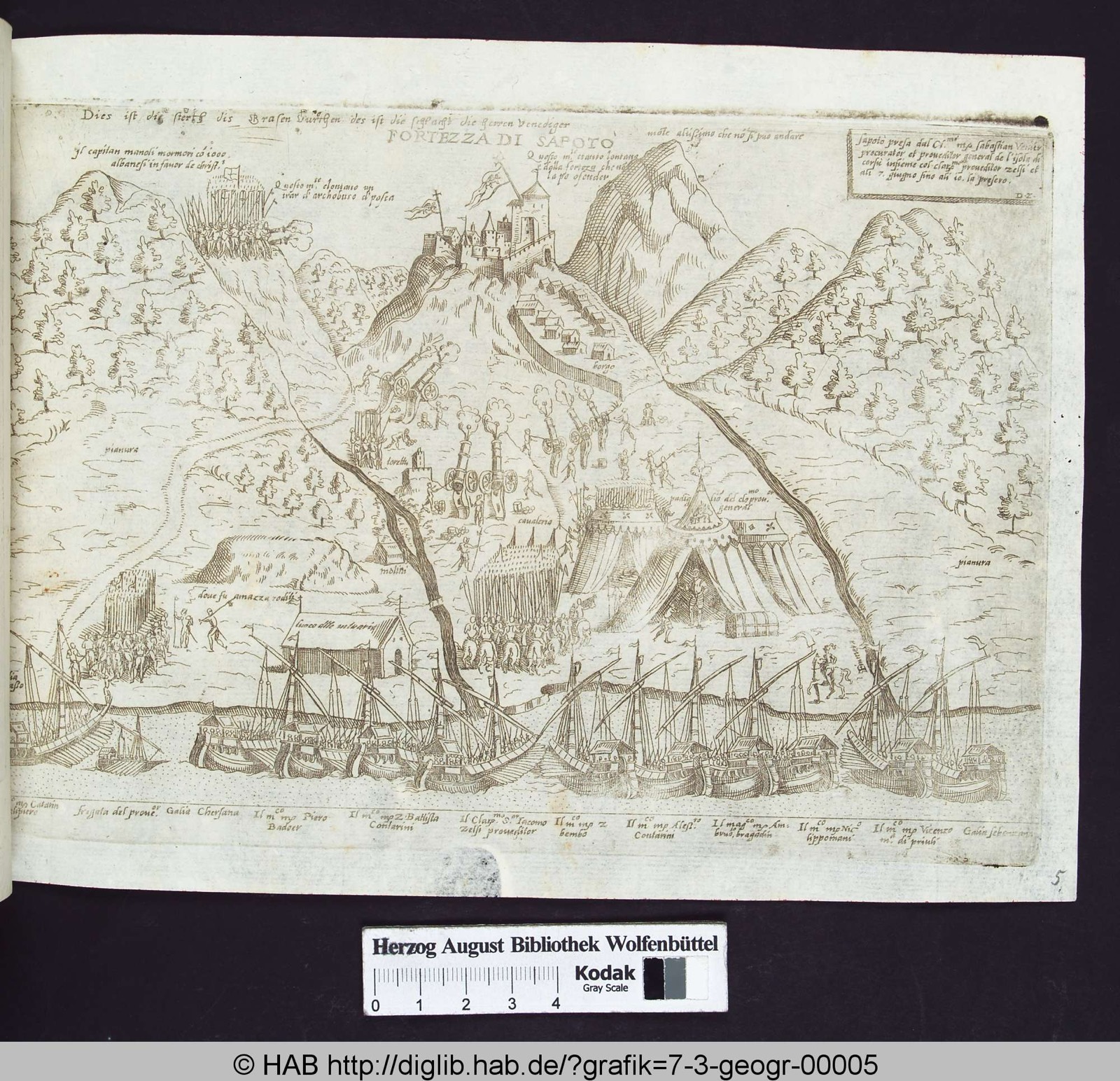
Landkarte mit Stadtansicht von Soppoto/Borsh Festung unter venezianische Beschuss., Borsh Fortress

Landkarte mit Stadtansicht von Soppoto/Borsh Festung unter venezianische Beschuss.

· Herzog August Library (via Europeana)

CC BY-SA
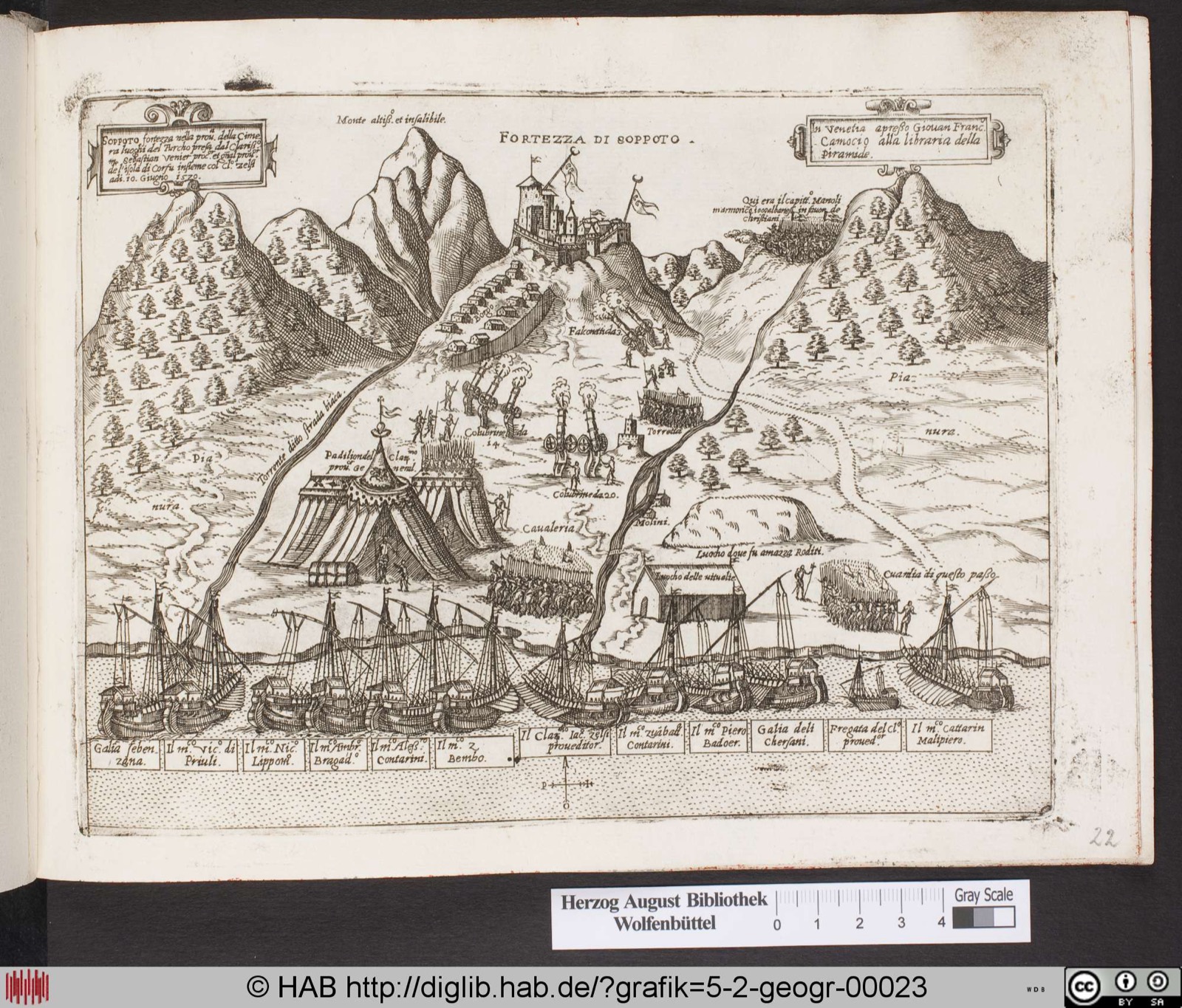
Landkarte mit Stadtansicht von Soppoto/Borsh, Festung unter venezianischem Beschuss., Borsh Fortress

Landkarte mit Stadtansicht von Soppoto/Borsh, Festung unter venezianischem Beschuss.

· Herzog August Library (via Europeana)

CC BY-SA
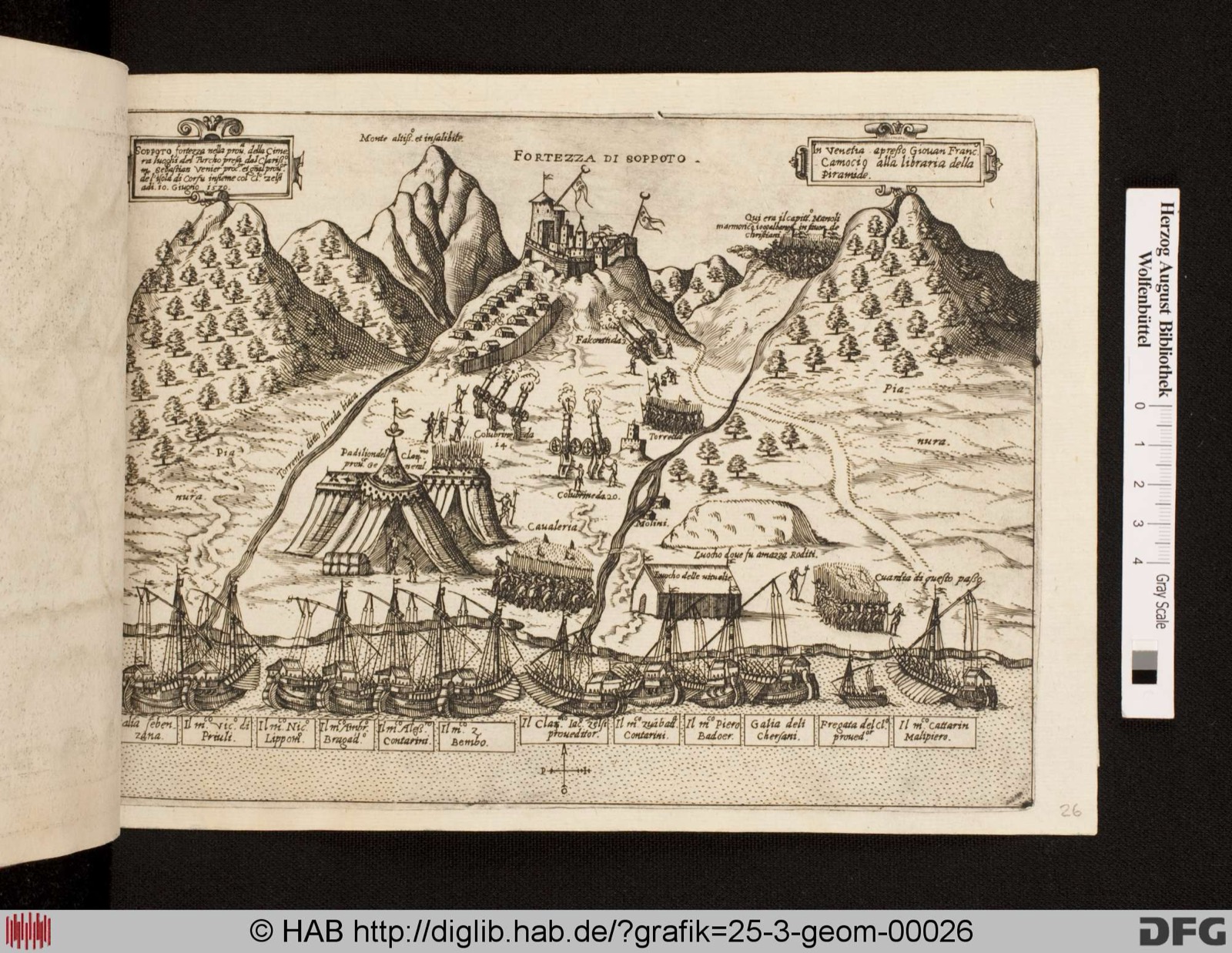
Landkarte mit Stadtansicht von Soppoto/Borsh Festung unter venezianische Beschuss., Borsh Fortress

Landkarte mit Stadtansicht von Soppoto/Borsh Festung unter venezianische Beschuss.

· Herzog August Library (via Europeana)

CC BY-SA

Nearby

Landmarks within reach of Borsh Fortress.

Questions about Borsh Fortress

What is the history of Borsh Fortress?

Borsh Fortress has a history reaching from Bronze Age fortifications to its medieval and Ottoman phases. Early defences were built to guard the coast against Dorian attacks in the 12th century BC, while the site later developed into a hill town and an acropolis fortress. It changed hands between Epirote, Angevin, Venetian and Ottoman powers before being abandoned.

What is inside Borsh Fortress?

Inside Borsh Fortress are the ruins of medieval buildings, paved courtyards, an internal dividing wall and rock-cut cisterns. The only building left standing inside is the Hajji Bendo Mosque, a 17th-century Ottoman structure that became ruined in the 20th century. The fortification lines follow the ridge in an acropolis plan.

Why was Borsh Fortress built, and what was it used for?

Borsh Fortress was built to defend the coastal settlement and later served as a military stronghold. Its earliest fortifications were intended to defend against Dorian attacks, while the medieval site was adapted for a military garrison. The fortifications followed the acropolis and were rebuilt in several phases.

Where is Borsh Fortress?

Borsh Fortress stands on a hill above the village of Borsh on Albania’s Ionian coast. It is associated with the hill of Sopot, which gives the fortress its alternative name, Sopot Castle. Borsh is the nearest named settlement in the supplied material.

When was Borsh Fortress built?

Borsh Fortress was built in several periods rather than at one recorded date. The earliest fortifications date to the end of the Bronze Age, the hill town developed from the second half of the 4th century BC, and later fortifications range from the early Byzantine period to the late Middle Ages.

Was Borsh Fortress ever attacked or besieged?

Borsh Fortress was attacked and captured at several points. In 1481, Albanians led by Gjon Kastrioti II captured it but retreated in 1484; in 1566, local Albanian rebels besieged and burned it. Ottoman forces later reclaimed it, and the fortress changed control again during the conflicts with Venice.

What did Borsh Fortress look like in its prime?

In its prime, Borsh Fortress had an irregular, elongated curtain wall of pale local limestone and sandstone following the acropolis ridge. Later triangular towers projected from the ramparts, while a transverse wall divided the enclosure. Low rubble buildings, paved courtyards, rock-cut cisterns and a modest mosque occupied the interior.

Is Borsh Fortress still standing or is it a ruin?

Borsh Fortress is now a ruin, although its main fortification lines remain visible. Long curtain walls, later triangular towers, interior building remains and rock-cut cisterns survive. The Hajji Bendo Mosque is the only building left standing inside the castle, and it too became ruined in the 20th century.

Can you visit Borsh Fortress?

Borsh Fortress can be visited as a historic ruin. The road reaching close to the fortress is paved, and the site can be visited by car. Its surviving points include the ramparts, a triangular tower, the internal division wall, courtyard ruins, the mosque exterior and rock-cut cisterns.
All castles of Albania · Castles of Europe · the best castles in Europe · explore the finished reconstructions.