
England · Restored
Newark Castle
Newark Castle is a medieval stone castle in Newark-on-Trent, Nottinghamshire, founded in the mid-12th century by the Bishop of Lincoln and rebuilt in stone by the end of that century. It was an important royal and episcopal stronghold, later slighted in the 17th century and restored in the 19th century; the site today is a protected scheduled monument and Grade I listed building.
First raised
1130
Its prime
1216
Today
Restored
As it stood in 1216
What Newark Castle looked like in its prime.
A long riverside stone fortress of yellow-brown sandstone with a continuous curtain wall running along the Trent, punctuated by several square, multi-storey towers and a large rectangular tower near the river. The river face shows arched entrances, tall mullioned windows and an oriel-like projecting window; masonry bands and patched repairs are visible. At its prime the rooflines would have been complete with crenellated wallwalks and battlements above an inner ward set back from the riverbank.
Its story
The story of Newark Castle.
A Fishpond on the Fosseway, 1135
In a charter generally thought to date to 1135, King Henry I granted Alexander, Bishop of Lincoln, leave to "make a ditch and rampart of his fishpond of Niwerc upon the Fosseway", and even to divert the Fosseway itself through the town as the bishop wished. Alexander's first castle was most likely of timber, and he established a mint within it. Towards the end of the 12th century the timber work was rebuilt in stone.
King John's Last Feast, October 1216
On 29 August 1216, during the First Barons' War, King John ordered the destruction of Newark Castle, an instruction that was subsequently rescinded. Within weeks the king was at the castle himself. After a feast there on the night of 18 October 1216 he died of dysentery, brought on, according to tradition, by eating a "surfeit of peaches".
Slighted in 1648, Rescued by the Victorians
The destruction John had once ordered came in earnest four centuries later: the castle was slighted in 1648 as a result of the English Civil War and left derelict. The architect Anthony Salvin restored it between 1845 and 1848, and in 1889 the corporation of Newark purchased the building and carried out further restoration work. The site was made a scheduled monument in 1915 and listed Grade I in 1950; admission to the gardens is free, with tours conducted by the Castle Ranger.
Step inside
7 places to explore in 1216.
The record describes 7 distinct spots at Newark Castle, including 1 interior: castle mint (interior). Create your own photoreal reconstruction and explore every one, more scenes means more rooms, more angles, and more of the place to stand in.
Build Your Own Castle
Recreate Newark Castle with AI to explore it.
The artist rebuilds it as it stood in 1216, a photoreal reconstruction that belongs to you alone. Pay with coins, no subscription needed.
Recreate this castle →Defend this castle →From the archive
Newark Castle on paper: the measured plan and period views.
The survey plan and photographs below are the ground truth this page's reconstructions are checked against, drawn and photographed while the castle was still a working garrison. Every image is public-domain or openly licensed, with its source named.

Newark Castle and Gardens LCCN2017659727
ca. 1890-1900 · Photochrom Prints Collection (via Wikimedia Commons)
Public domain
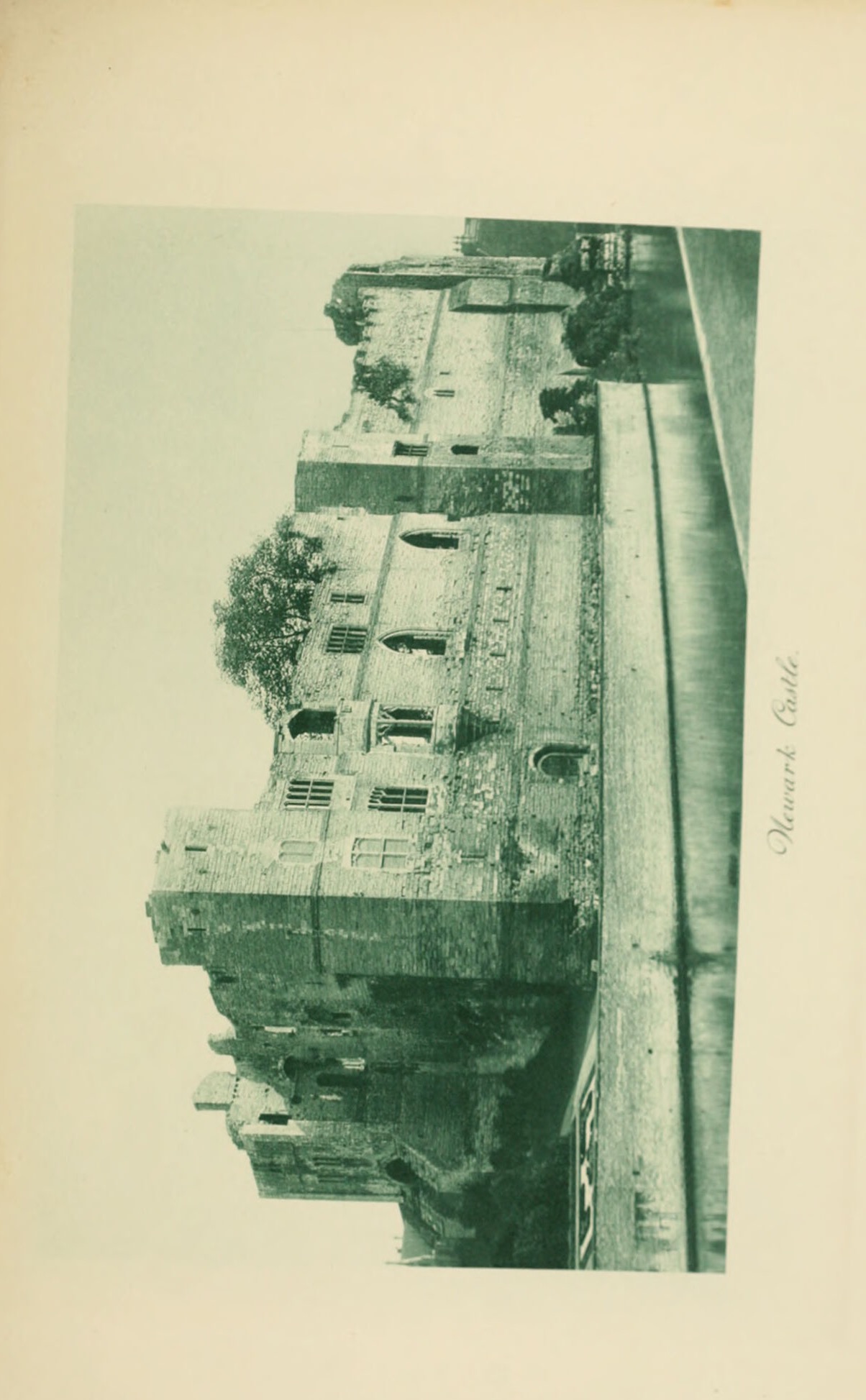
Newark Castle
1897 · J. D. Mackenzie, The Castles of England, vol. 1 (1897)
Public domain
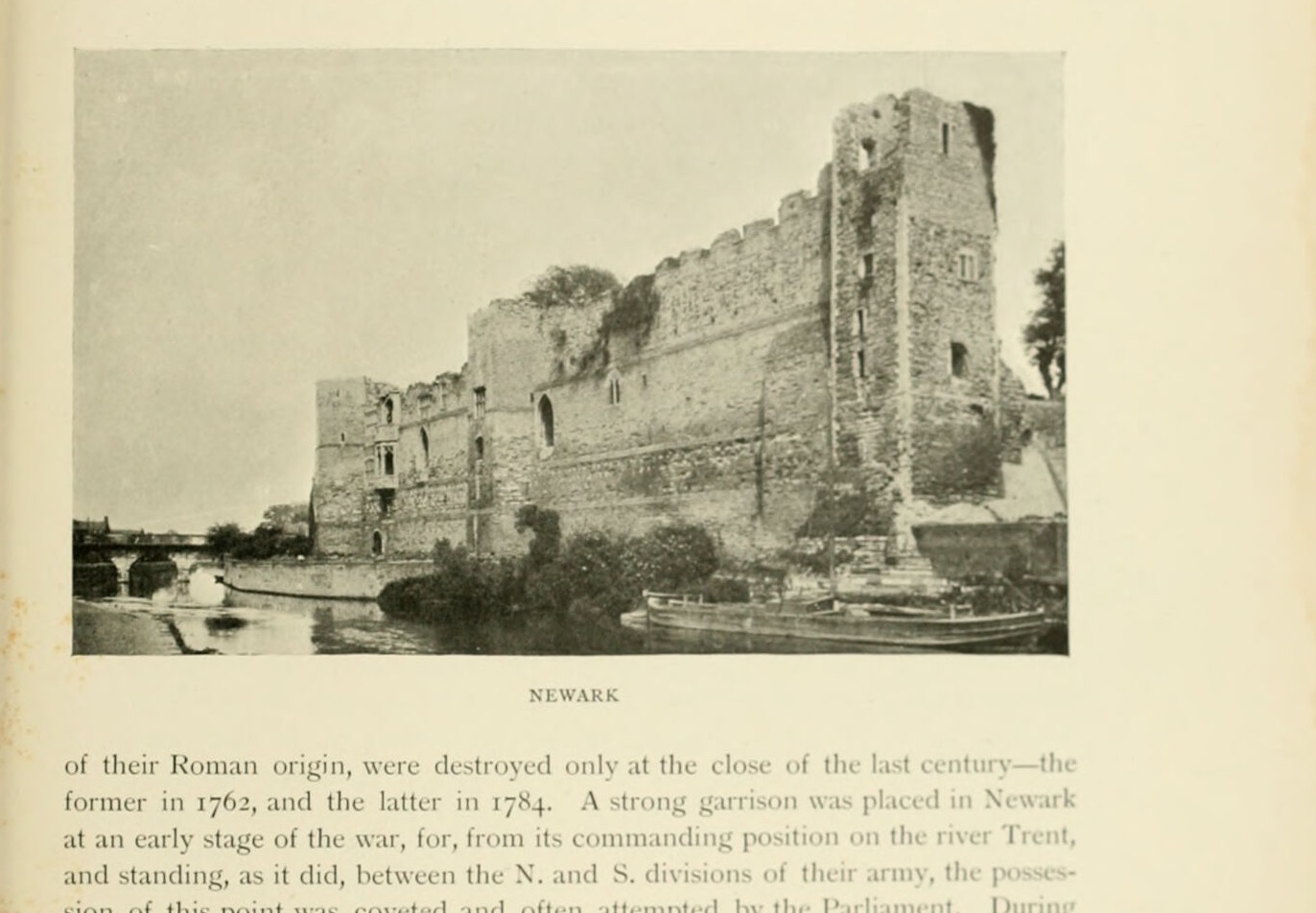
NEWARK
1897 · J. D. Mackenzie, The Castles of England, vol. 1 (1897)
Public domain
Nearby


