
Germany · Restored
Albrechtsburg
Albrechtsburg is a Late Gothic electoral palace in Meissen, Saxony, sited on a rocky hill above the river Elbe immediately beside Meissen Cathedral. Erected from 1471 into the early 16th century, it served as a princely residence and later housed the first Meissen porcelain manufactory; today the restored building is a public historic site.
First raised
929
Its prime
1521
Today
Restored
As it stood in 1521
What Albrechtsburg looked like in its prime.
Perched on a steep rocky plateau above the Elbe and adjacent to Meissen Cathedral, the castle presents a tower-like, hook-shaped composition of interlinked buildings under a single mighty roof. Rectangular lucarne dormers form a wreath around the roofline; a prominent staircase tower projects on the courtyard side. Facades feature unusually large curtain-arch windows with vertically oriented strips, vaulted storeys throughout, and the complex massing of multiple tower figures bound by the main roof.
Its story
The story of Albrechtsburg.
The Fortress on the Elbe, 929–1015
In 929 King Henry I of Germany defeated the Slavic Glomacze tribe at the Siege of Gana and built a fortress within their territory, on a rock high above the Elbe. Named Misnia after a nearby creek, it became the nucleus of the town and, from 965, the seat of the Margraves of Meissen.
The site did not stay quiet. In 1002, after the death of Emperor Otto III and the murder of Margrave Ekkehard I, Duke Boleslaw Chrobry of Poland moved to seize the mark east of the Elbe. He took the surrounding countryside with little resistance, and the German garrison holding the castle itself was eventually forced to give way: with the help of Ekkehard's brother Gunzelin, the castle fell, and its garrison was granted free withdrawal. Thirteen years later, after a failed eastward campaign by King Henry II ended with the German army repulsed, Ekkehard's son Margrave Hermann could barely hold Meissen against the Piast duke Mieszko II Lambert; the fighting was hard enough, by one account, that Hermann called on the women inside the castle to join its defence.
A Palace Divided Before It Was Finished, 1471–1521
In 1423 the Margraves of Meissen acquired the Electorate of Saxony. Their descendants Ernst and Albrecht ruled Saxony and Thuringia jointly from 1464 to 1485, and in 1471 commissioned the master builder Arnold von Westfalen to build the first German palace on the site of the old margravial castle. It never served the purpose it was built for: while construction was still under way, the brothers agreed in 1485 to divide their territory. Albrecht took the Margraviate of Meissen and the new castle; Ernst took the remaining Thuringian lands and the Duchy of Saxony with Wittenberg, and with it, the electoral title itself.
Construction paused between 1495 and 1500 during the finishing of the upper north range, and was not completed until 1521, when Albrecht's son Duke Georg had the work finished by Jakob Heilmann. The rooms from this last phase carry a loop-ribbed vault in the style of Benedikt Ried, who worked in Prague, and the sculptor Christoph Walther I carved figural reliefs for the balustrades of the Great Staircase Tower in early Renaissance forms. The palace was named "Albrechtsburg" only in 1676, after Albrecht, though it was his son, Georg the Bearded, who first actually lived in it as a residence.
The Thirty Years' War and Augustus the Strong's Secret, to 1710
The palace was badly damaged during the Thirty Years' War and stood empty afterwards. Johann Friedrich Böttger and Ehrenfried Walther von Tschirnhaus had invented European porcelain in 1708; Dresden was the intended site for the resulting works, but Augustus the Strong chose the empty, isolated castle instead, judging that nowhere else could the secret of its manufacture be kept so safe. Europe's first porcelain manufactory began operating in the former princely residence on 6 June 1710, the start of the "white gold" that would make Meissen's name.
The Manufactory Moves Out, and the Law It Left Behind, 1864–1909
The manufactory relocated to a newly built factory in the mid-nineteenth century, leaving Albrechtsburg empty once more. Between 1864 and 1870 the old factory fittings were stripped out and the palace was restored; since the original furniture was gone, the late Gothic walls were instead covered in elaborate history paintings, work that included new doors designed by the Frankfurt artist Alexander Linnemann. By the end of the century the palace had been opened to the public.
The repainting scheme became notorious in Saxony as the "disfigurement of the Albrechtsburg", and it changed the law: lawmakers who had held for decades that Saxon antiquities needed no statutory protection abandoned that view, and the 1909 law against the disfigurement of town and countryside named the Albrechtsburg's case explicitly in its draft.
Step inside
12 places to explore in 1521.
The record describes 12 distinct spots at Albrechtsburg, including 7 interiors: great main staircase (interior), balustrade with figural reliefs, large dancing hall / central hall and more. Create your own photoreal reconstruction and explore every one, more scenes means more rooms, more angles, and more of the place to stand in.
Build Your Own Castle
Recreate Albrechtsburg with AI to explore it.
The artist rebuilds it as it stood in 1521, a photoreal reconstruction that belongs to you alone. Pay with coins, no subscription needed.
Recreate this castle →Defend this castle →From the archive
Albrechtsburg on paper: the measured plan and period views.
The survey plan and photographs below are the ground truth this page's reconstructions are checked against, drawn and photographed while the castle was still a working garrison. Every image is public-domain or openly licensed, with its source named.
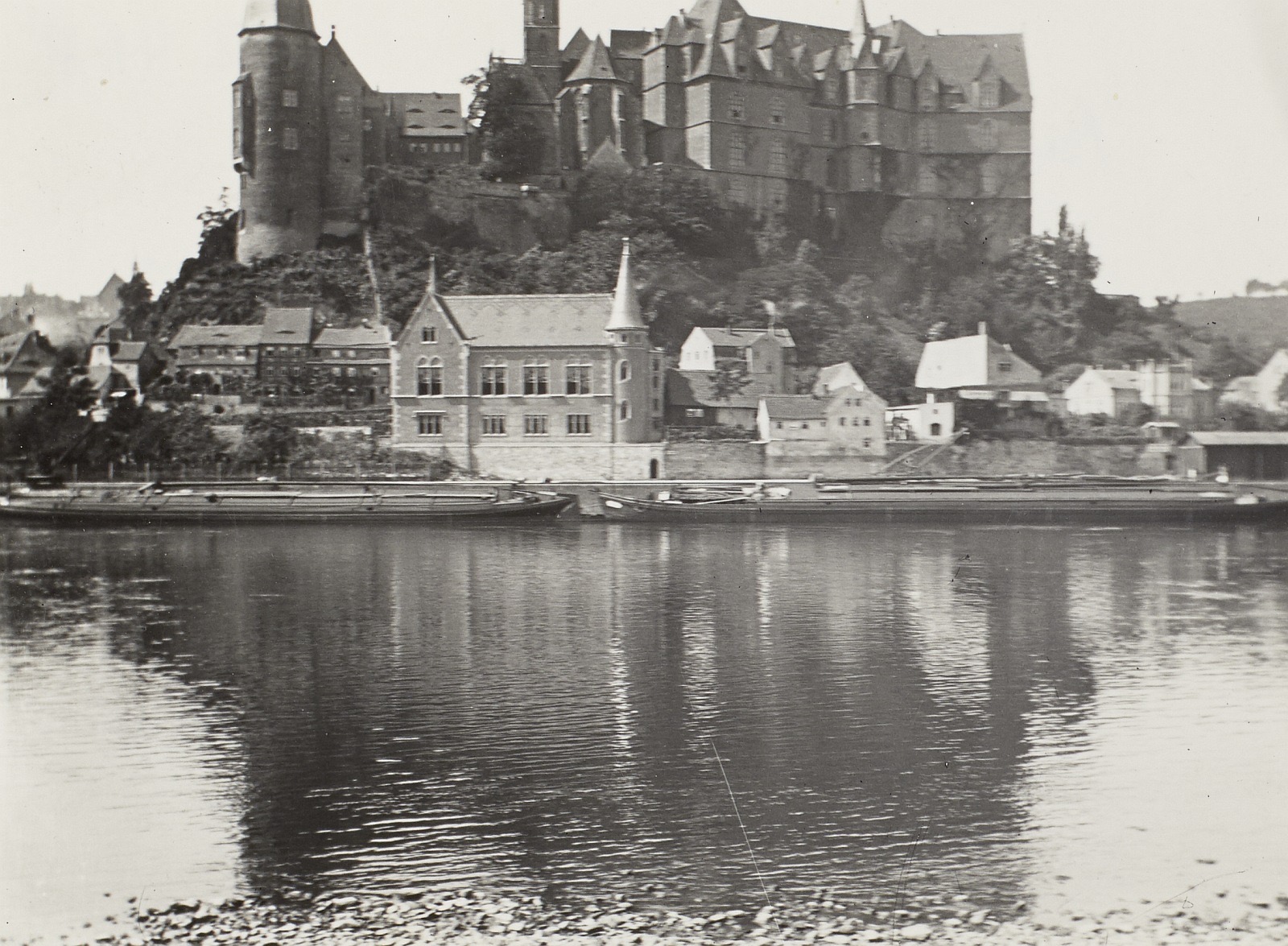
Albrechtsburg
· Deutsche Fotothek (via Europeana)
CC BY-SA
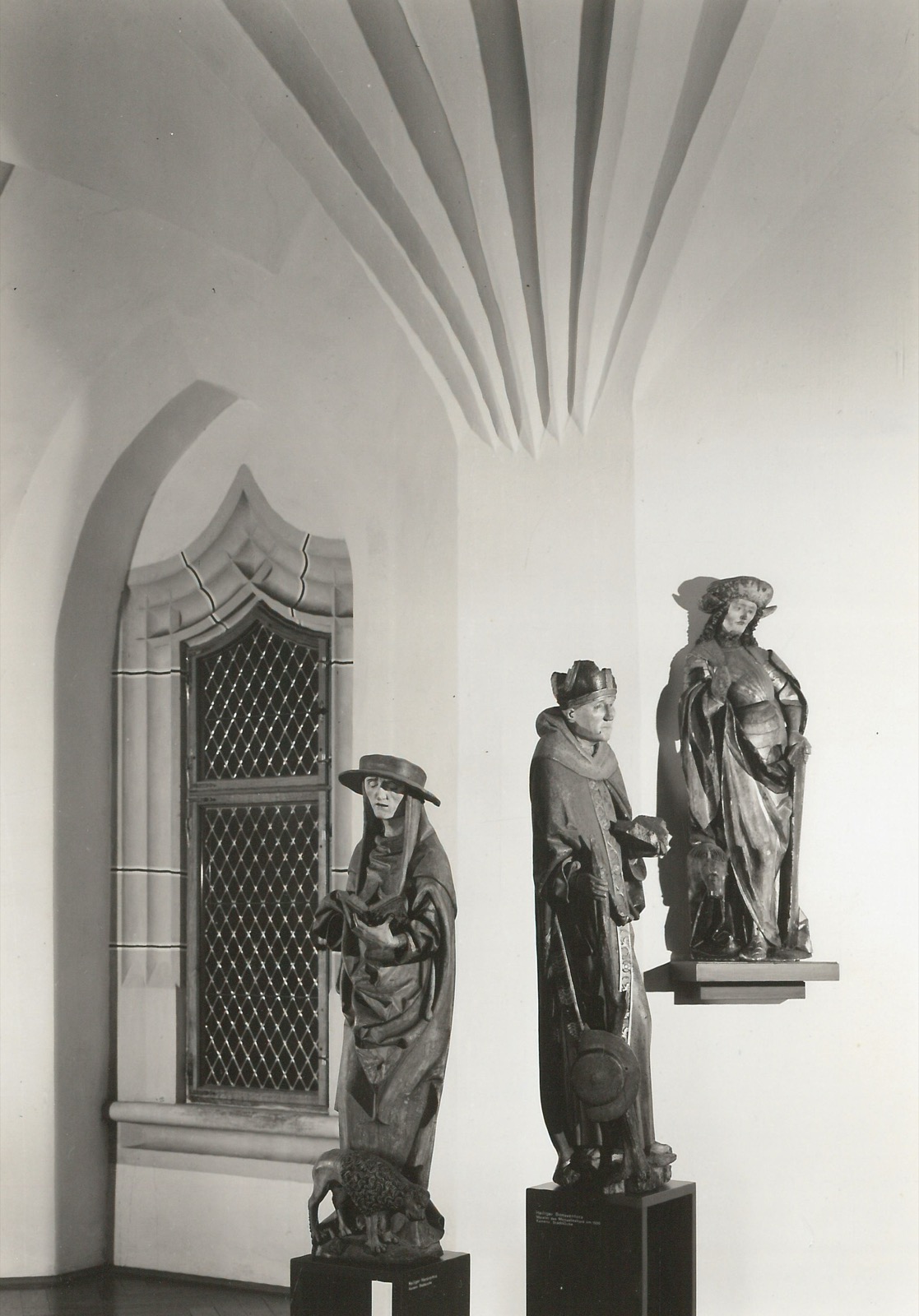
Albrechtsburg
· Deutsche Fotothek (via Europeana)
CC BY-SA
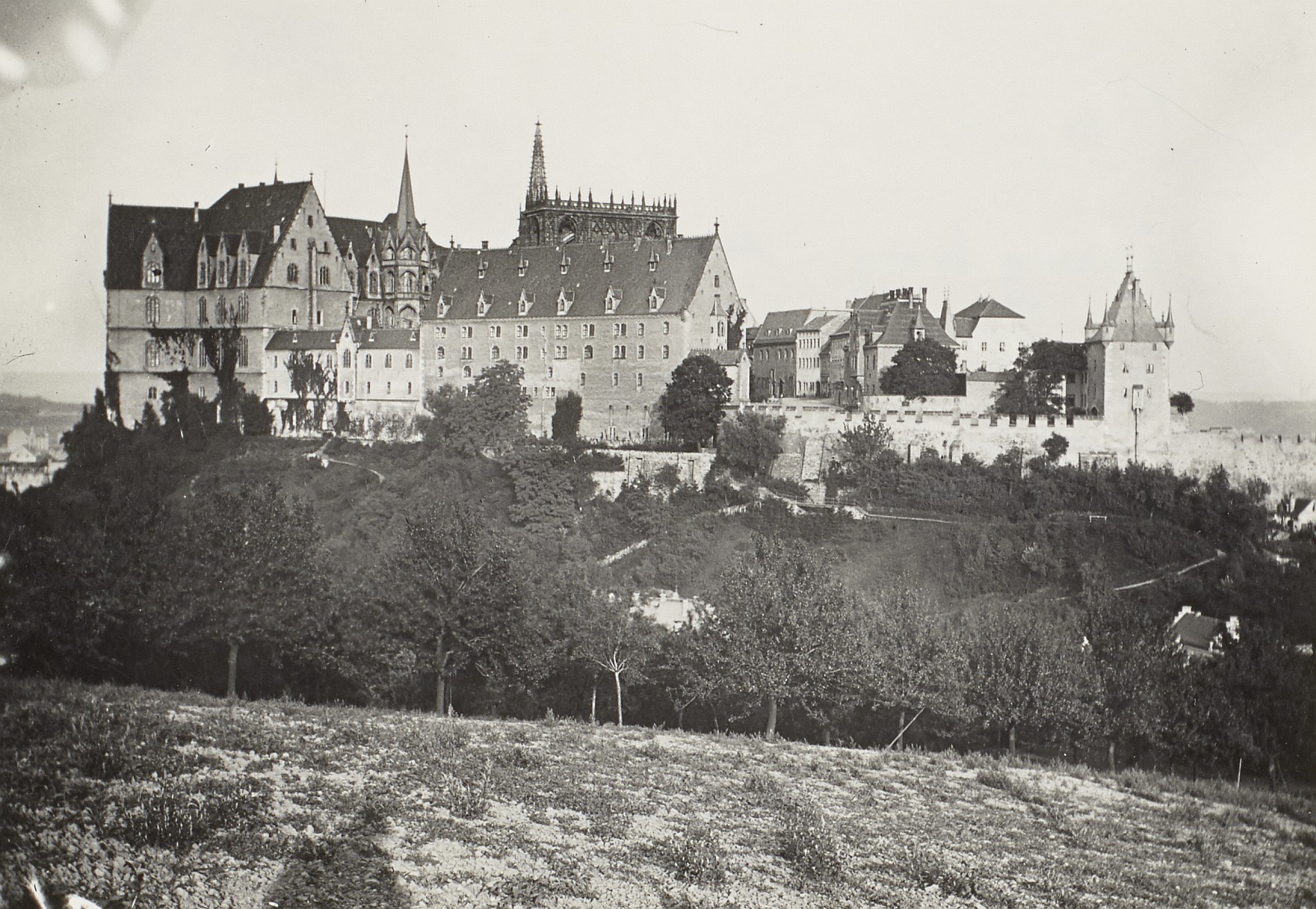
Albrechtburg
· Deutsche Fotothek (via Europeana)
CC BY-SA


