Clan Rising
Sabbionara Castle today

Italy · Restored

Sabbionara Castle

Castello di Avio

The Castle of Avio (also called Sabbionara) is a medieval hilltop castle in Avio, Trentino, northern Italy. The multi-walled complex, held today by the Fondo per l'Ambiente Italiano (FAI), contains a massive cylindrical keep, several towers and interior rooms decorated with 14th-century fresco cycles including the Camera di Amore.

Photograph via Wikimedia Commons

Its prime

1411

Today

Restored

As it stood in 1411

What Sabbionara Castle looked like in its prime.

Perched on a wooded limestone slope above the Vallagarina, the castle is a compact complex of three concentric stone curtain walls and five towers dominated by a tall cylindrical mastio. Pale-grey local stone masonry, crenellated parapets and narrow arched windows create a serrated roofline; domestic ranges and the baronial palace cluster against the inner ward. Terraced gardens and rows of cypress descend toward vineyards and the Adige valley, with rocky cliffs rising behind the site.

Its story

The story of Sabbionara Castle.

The Castle of Avio, also known as Sabbionara, is one of several castles commanding the Vallagarina valley of the Adige in Trentino. In the 12th century it was owned by the Castelbarco family, who ceded it to the Republic of Venice in 1411. In 1509 it was conquered by the troops of Maximilian I of Austria who, after painting his insignia on the façade, gave it to the counts of Arco; in the 17th century, after several changes of property, the counts of Castelbarco bought it back.

The castle carries three lines of walls with five towers, among them the Torre della Picadora, where executions by hanging were carried out, enclosing the massive mastio and several buildings including the baronial palace. Its rooms preserve medieval frescoes, including 14th-century cycles such as the Camera di Amore.

Today the castle is held by the Fondo per l'Ambiente Italiano (FAI).

Step inside

11 places to explore in 1411.

The record describes 11 distinct spots at Sabbionara Castle, including 3 interiors: chapel of st. george (interior), camera di amore (chamber of love), later battle-frescoed chamber. Create your own photoreal reconstruction and explore every one, more scenes means more rooms, more angles, and more of the place to stand in.

Approach from the Vallagarina valleyMastio (keep) exteriorKeep rooftop and battlementsBaronial Palace façadeChapel of St. George (interior)Venetian façade with doge's coats of armsTorre della Picadora (tower)Camera di Amore (Chamber of Love)Later battle-frescoed chamberInner courtyard and terracesRamparts and battlement walkway

Build Your Own Castle

Recreate Sabbionara Castle with AI to explore it.

The artist rebuilds it as it stood in 1411, a photoreal reconstruction that belongs to you alone. Pay with coins, no subscription needed.

Recreate this castle →Defend this castle →

Whose castle

Clans who held Sabbionara Castle.

The families that held Sabbionara Castle for a decade or more across its history, follow a name to its clan.

  • Castelbarco

    Owned by the Castelbarco family from the 12th century until ceded to Venice in 1411; the counts of Castelbarco bought it back in the 17th century.

  • Arco

    Given to the counts of Arco by Maximilian I of Austria after his troops took the castle in 1509.

From the archive

Sabbionara Castle on paper: the measured plan and period views.

The survey plan and photographs below are the ground truth this page's reconstructions are checked against, drawn and photographed while the castle was still a working garrison. Every image is public-domain or openly licensed, with its source named.
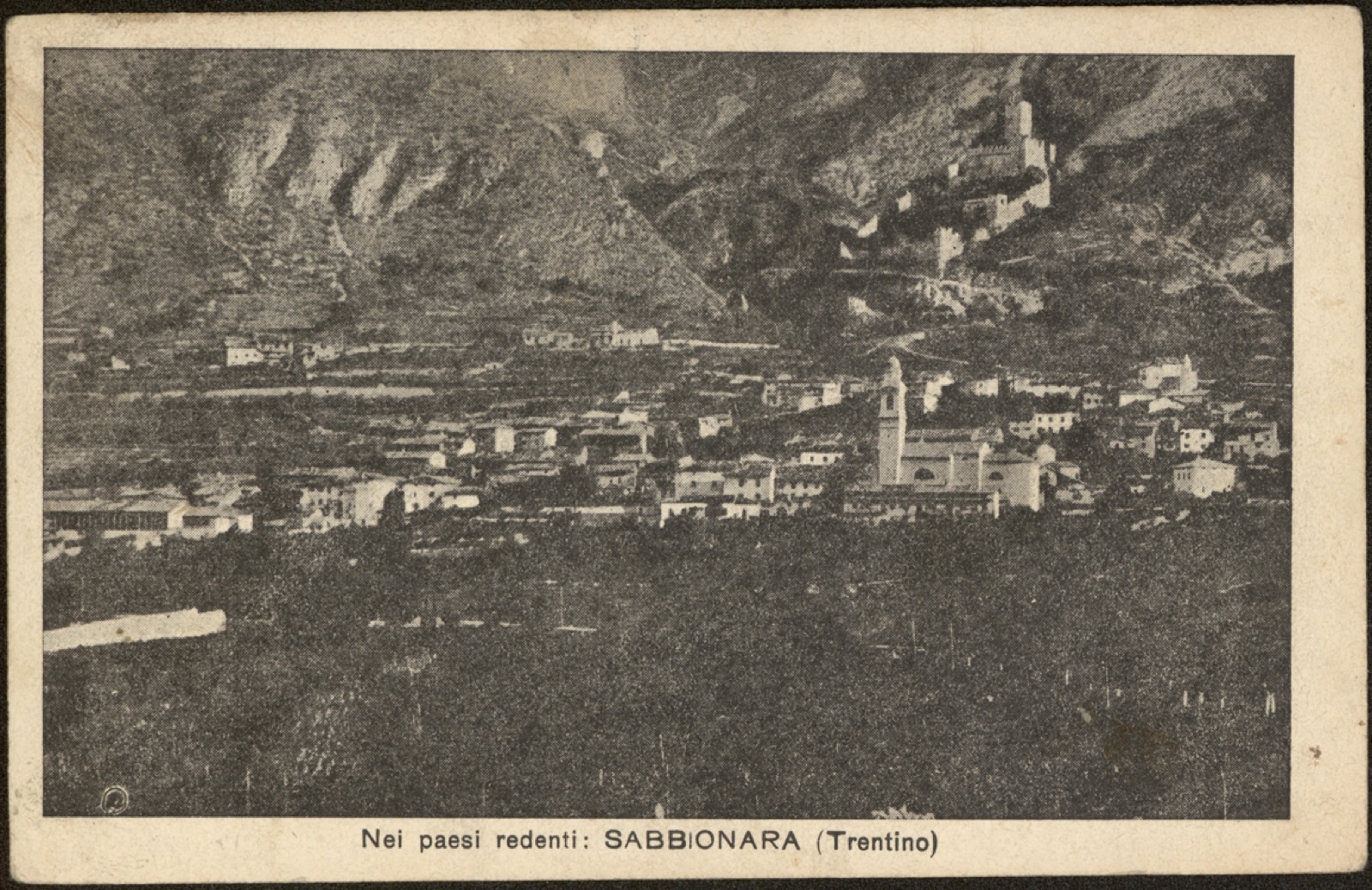
In redeemed countries: Sabbionara (Trentino), Sabbionara Castle

In redeemed countries: Sabbionara (Trentino)

· Digital Library Trentino (via Europeana)

Public domain
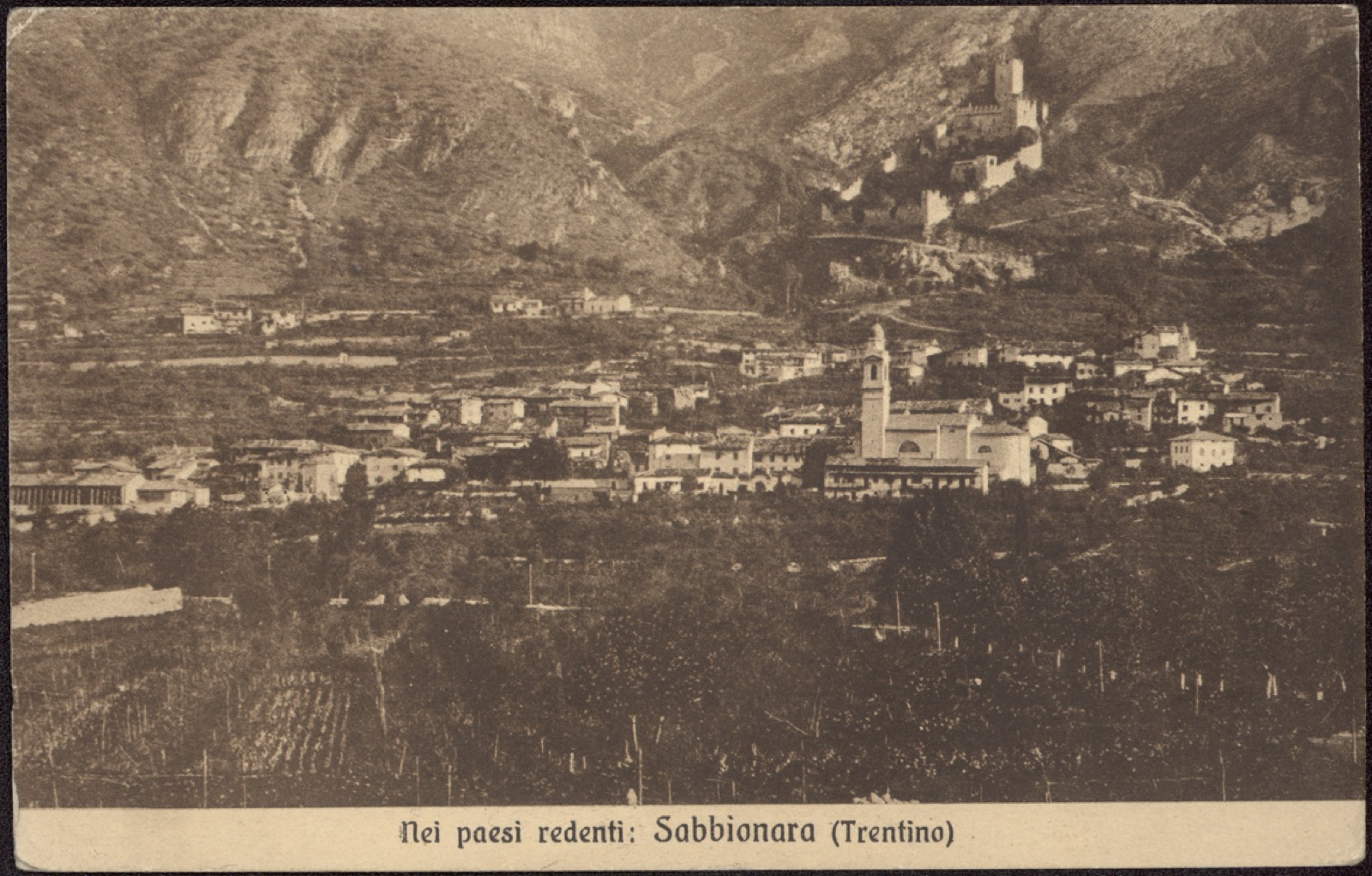
In redeemed countries: Sabbionara (Trentino), Sabbionara Castle

In redeemed countries: Sabbionara (Trentino)

1917 · Digital Library Trentino (via Europeana)

Public domain
Castello di Avio (fraz. Sabbionara-prov. Trento) Casa delle Guardie ..., Sabbionara Castle

Castello di Avio (fraz. Sabbionara-prov. Trento) Casa delle Guardie ...

· Digital Library Trentino (via Europeana)

Public domain

Nearby

Landmarks within reach of Sabbionara Castle.

Questions about Sabbionara Castle

What is the history of Sabbionara Castle?

Sabbionara Castle was first documented in 1053 as Castellum Ava and served as a defensive and lookout position above the Vallagarina valley. The Castelbarco family owned it in the 12th century before ceding it to Venice in 1411. Austrian troops conquered it in 1509, after which it was given to the counts of Arco; the Castelbarcos bought it back in the 17th century.

What is inside Sabbionara Castle?

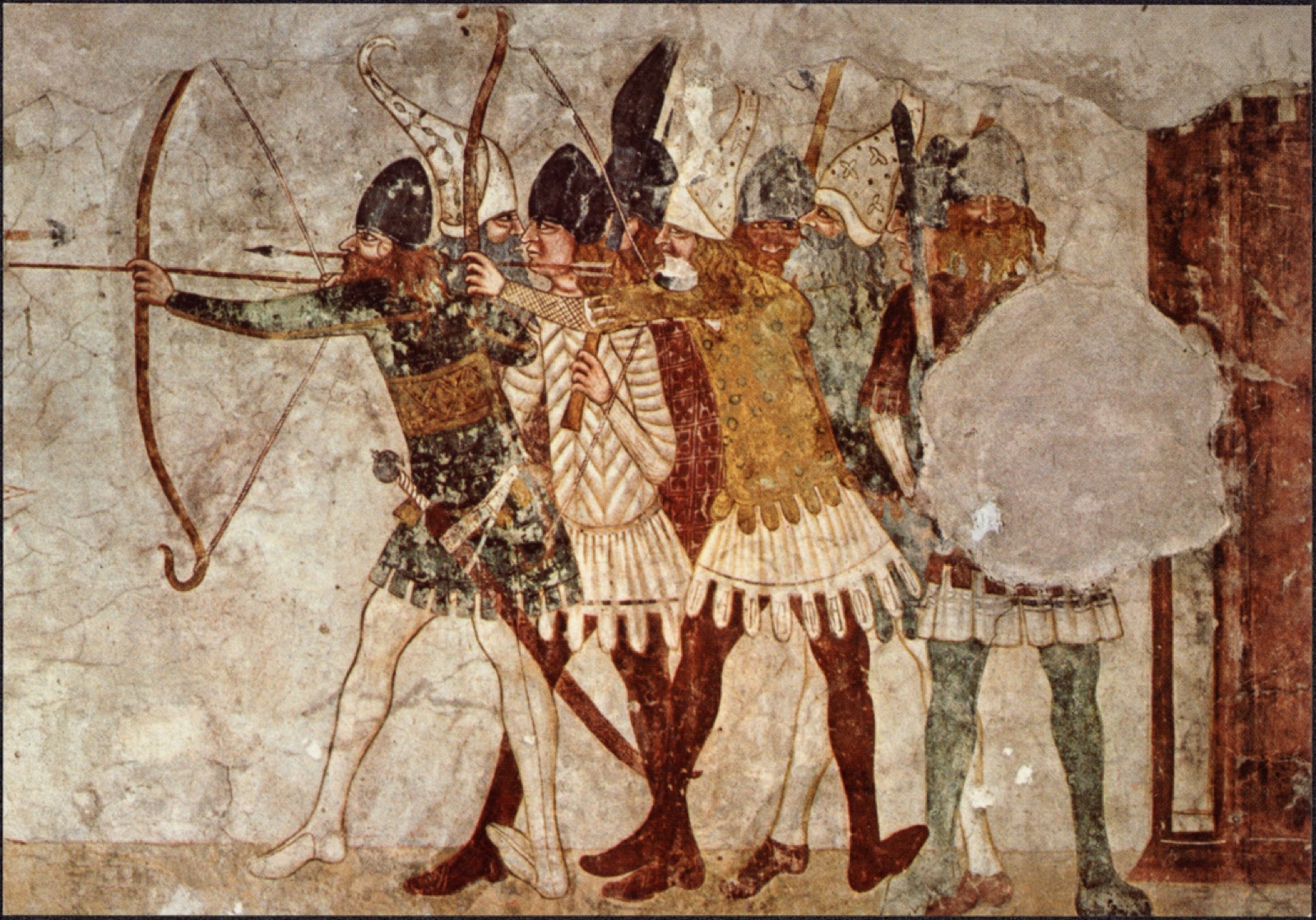
Sabbionara Castle contains the massive mastio, the Chapel of St. George, the baronial palace and other buildings decorated with medieval frescoes. The Camera di Amore occupies the top floor of the keep and contains a 14th-century cycle depicting love and everyday life. A later cycle in the Casa delle Guardie shows scenes of battle and the arts of war.

Who owns Sabbionara Castle now?

Sabbionara Castle is owned by the Fondo per l'Ambiente Italiano. It was donated to the organisation in 1977 by Emanuela Castelbarco, and the organisation manages and maintains it. The castle is also designated Italian national heritage.

Why was Sabbionara Castle built, and what was it used for?

Sabbionara Castle was built as a defensive and lookout position controlling the Vallagarina valley and the ancient crossings of the Adige. Its position also gave it a prestigious role for a powerful lord. Over time, the fortified complex was enlarged with buildings including a chapel and the baronial palace, while its rooms received fresco decoration.

Where is Sabbionara Castle?

Sabbionara Castle is in Sabbionara, within the comune of Avio in Trentino, northern Italy. It overlooks the Vallagarina valley of the Adige River. The castle stands on a wooded limestone slope above the valley, with vineyards and the river valley below.

Was Sabbionara Castle ever attacked or besieged?

Sabbionara Castle was attacked and fell to the troops of Maximilian I of Austria in 1509. After the conquest, Maximilian painted his insignia on the façade and gave the castle to the counts of Arco. The supplied history does not describe any other siege or assault.

Which family or clan held Sabbionara Castle?

Sabbionara Castle was held by the Castelbarco family from the 12th century until they ceded it to Venice in 1411. After its conquest in 1509, Maximilian I of Austria gave it to the counts of Arco. The counts of Castelbarco bought Sabbionara Castle back in the 17th century.

What did Sabbionara Castle look like in its prime?

Sabbionara Castle is a compact stone complex of three concentric curtain walls and five towers, dominated by a tall cylindrical mastio. Pale-grey local stone, crenellated parapets and narrow arched windows create a serrated roofline. The baronial palace and domestic ranges cluster within the inner ward, while terraces and cypress descend towards the vineyards and the Adige valley.

Is Sabbionara Castle still standing or is it a ruin?

Sabbionara Castle is still standing and has been restored. Its three lines of walls, five towers, mastio and several internal buildings survive, including the baronial palace. The mastio is described as the best-preserved part of the castle, while some frescoes, particularly in the Camera di Amore, are in deteriorating condition.

Can you visit Sabbionara Castle?

Sabbionara Castle belongs to the museum category and is held by the Fondo per l'Ambiente Italiano. It is identified as a military museum building, historical park museum and private museum. The supplied material does not state whether it is open to the public, so access cannot be confirmed here.
All castles of Italy · Castles of Europe · the best castles in Europe · explore the finished reconstructions.