Clan Rising
Castello a Mare today

Italy · Partial ruin

Castello a Mare

Castello a Mare (Castellammare) is a coastal fortress that guarded the entrance to Palermo's port at La Cala. Remains include a Norman keep, a fortified gate, and remnants of a Renaissance star-shaped defensive system; parts are visible and accessible today.

Photograph via Wikimedia Commons

Its prime

1600

Today

Partial ruin

As it stood in 1600

What Castello a Mare looked like in its prime.

A coastal fortress sited at the water's edge of Palermo's harbour, with a taller, square Norman keep rising above low, thick curtain walls. The shoreline defences include angular, star-shaped bastions connected by straight curtain walls and a prominent fortified gate controlling the landward approach. At its prime the walls formed a continuous enclosure around an inner ward; the roofs and parapets were intact and the bastions presented flat gun platforms facing the sea and harbour.

Its story

The story of Castello a Mare.

Castello a Mare, Castellammare, is an ancient fortress that guarded the entrance to the port of Palermo at La Cala, and it gave its name to the city's historical district of Castellammare.

Extensive remains of the coastal fortress are visible, some open to the public: a Norman keep, a fortified gate, and the remnants of a sophisticated Renaissance star-shaped defensive system.

Step inside

8 places to explore in 1600.

The record describes 8 distinct spots at Castello a Mare, including 1 interior: inside the norman keep. Create your own photoreal reconstruction and explore every one, more scenes means more rooms, more angles, and more of the place to stand in.

Exterior approach from La Cala quayFortified gate / entranceInner ward / courtyardInside the Norman keepTop of the Norman keepTop of a star-shaped bastionWalk along the curtain wall toward the harbourWaterfront artillery platform

Build Your Own Castle

Recreate Castello a Mare with AI to explore it.

The artist rebuilds it as it stood in 1600, a photoreal reconstruction that belongs to you alone. Pay with coins, no subscription needed.

Recreate this castle →

Castle Siege

Play Castle Siege at Castello a Mare.

A strategy game played on Castello a Mare’s real ground plan: the same surveyed walls shown in the archive below. Post your finite garrison on the battlements between assaults, then hold out as rams, siege towers, trebuchets and sappers arrive in ever-worse waves.

Sign in free to see the garrison muster. One castle costs 150 Clan Coins and is yours forever.

Sign in to take command →

See every castle’s leaderboard →

From the archive

Castello a Mare on paper: the measured plan and period views.

The survey plan and photographs below are the ground truth this page's reconstructions are checked against, drawn and photographed while the castle was still a working garrison. Every image is public-domain or openly licensed, with its source named.
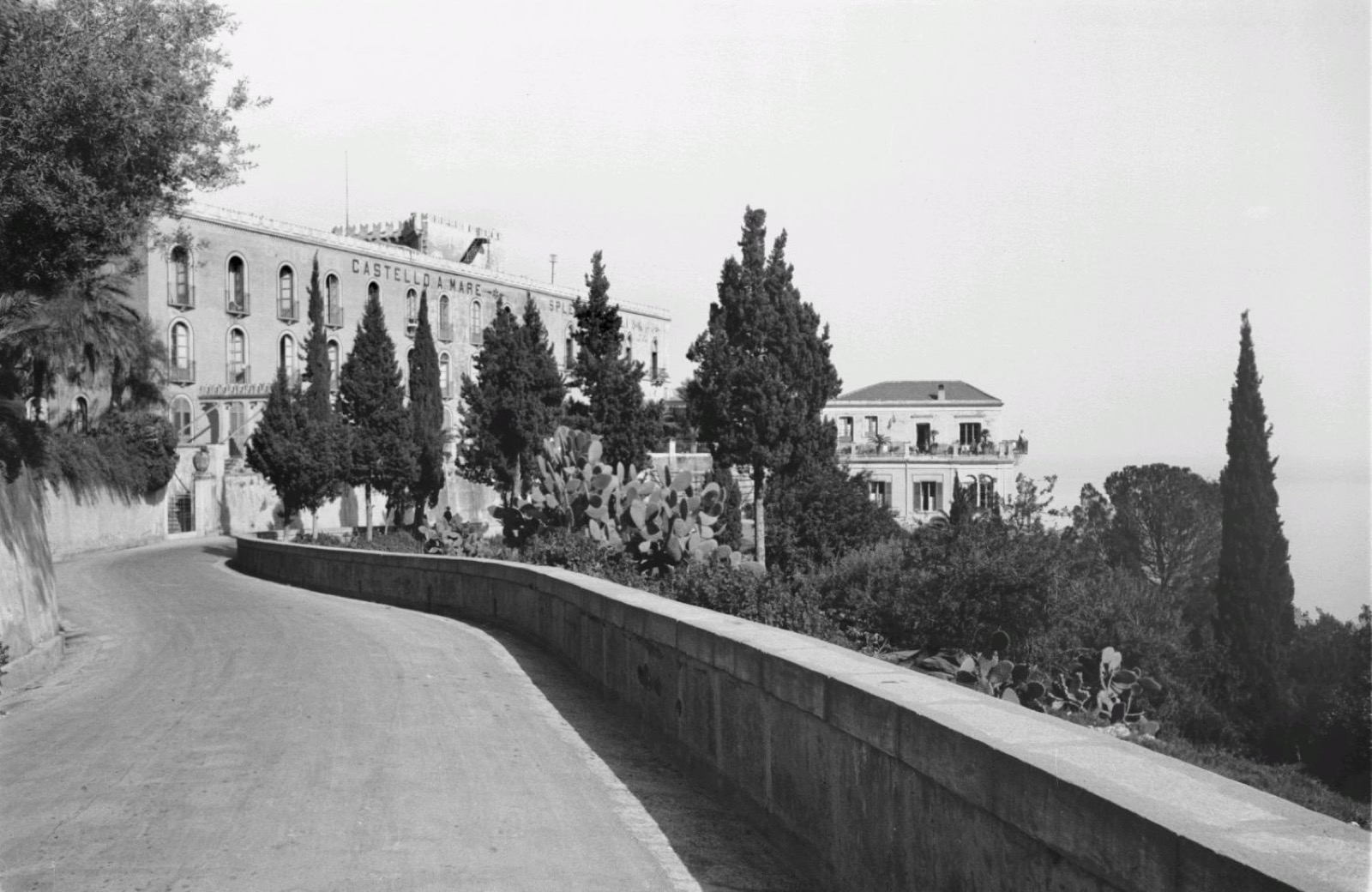
Reisefotos Italien. Sizilien. Taormina. Straßenbild mit Hotel "Castello a mare", Castello a Mare

Reisefotos Italien. Sizilien. Taormina. Straßenbild mit Hotel "Castello a mare"

· Deutsche Fotothek (via Europeana)

Public domain
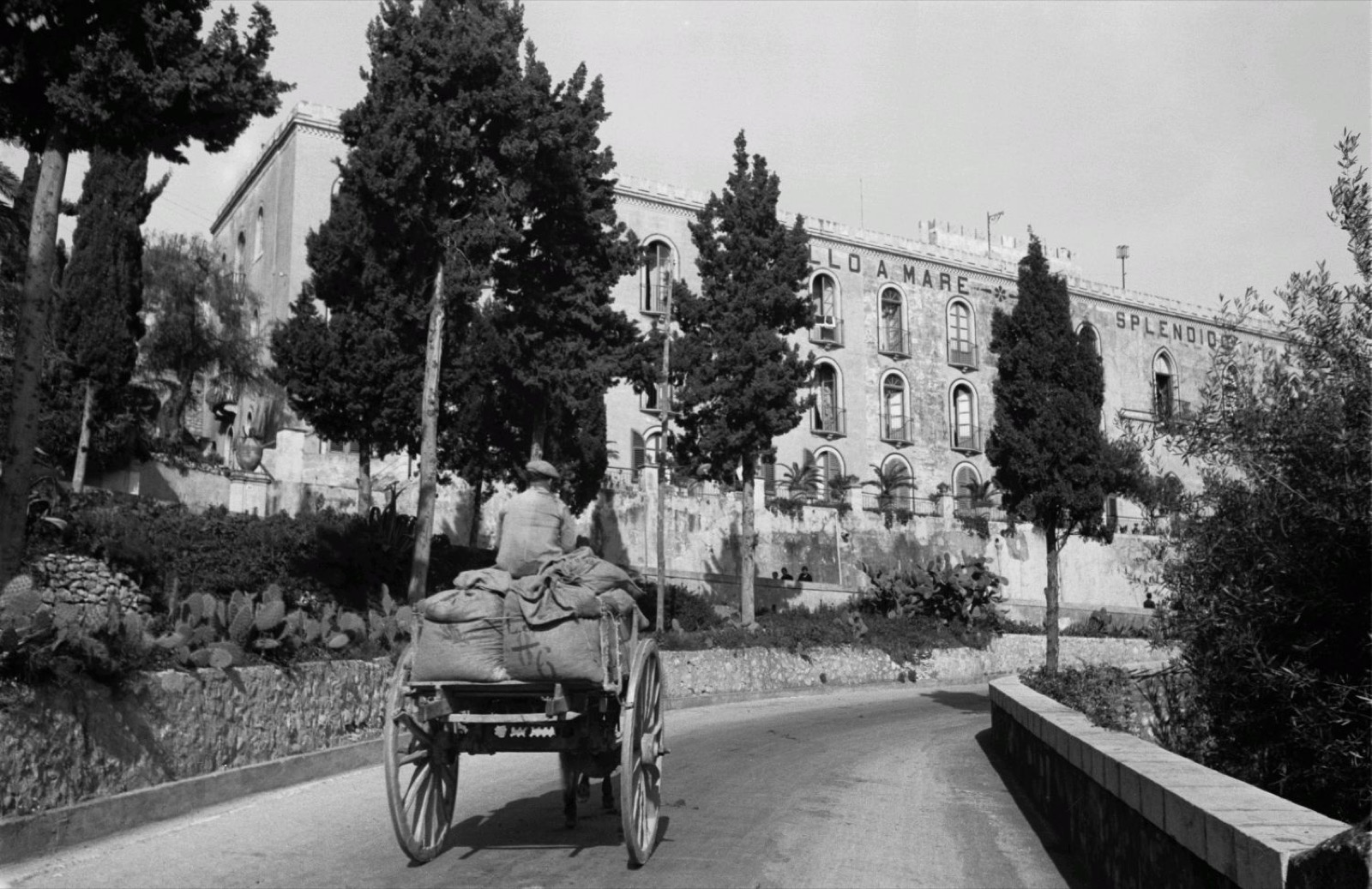
Travel photos Italy. Sicily. Taormina. Street picture with carts. View of the hotel “Castello a mare”, Castello a Mare

Travel photos Italy. Sicily. Taormina. Street picture with carts. View of the hotel “Castello a mare”

· Deutsche Fotothek (via Europeana)

Public domain

Questions about Castello a Mare

What is the history of Castello a Mare?

Castello a Mare began as a sea-facing fortification around the ninth century and was rebuilt in the Norman period to control Palermo’s harbour. It later served as a royal residence, prison, court, viceregal residence and seat of the Inquisition. The fortress was strengthened with bastions, partly demolished after attacks in 1860, and dismantled from 1922.

What is inside Castello a Mare?

Inside Castello a Mare, the surviving Norman keep and the inner ward are the principal spaces identified. The former enclosure also contained a chapel, churches, a Renaissance palazzetto, storage rooms and other structures, although most of this complex no longer survives. The remaining entrance body is known as the Porta Aragonese.

Why was Castello a Mare built, and what was it used for?

Castello a Mare was built to control and defend the entrance to Palermo’s port at La Cala. Over time it also housed royal and viceregal residences, prisons, courts and the Sicilian Inquisition. By the Bourbon period it had become a purely defensive structure, and it later served as a military barracks until 1922.

Where is Castello a Mare?

Castello a Mare is in Palermo, near La Cala and the city’s port. It stands in the La Loggia district, within the Parco archeologico del Castellammare, in the area now called the trapezoidal pier. The fortress was positioned at the water’s edge to guard the harbour entrance.

When was Castello a Mare built?

Castello a Mare was built in stages rather than in one recorded year. Its first fortification dates to around the ninth century, while the present structure was built in the Norman period. Later additions included fifteenth-century defences and a Renaissance star-shaped system, with further fortification built between 1670 and 1674.

Was Castello a Mare ever attacked or besieged?

Yes, Castello a Mare was attacked several times. Roberto d’Angiò’s fleet attempted to assault it in 1333, while corsair fleets prompted further strengthening in 1496. During the Palermo insurrection it was one of the points from which the city was bombarded, and in 1860 the complex was assaulted and partly demolished by the population.

What did Castello a Mare look like in its prime?

In its prime, Castello a Mare was a coastal fortress with a tall, square Norman keep above low, thick curtain walls. Angular, star-shaped bastions and straight curtain walls formed a continuous enclosure around the inner ward, while flat gun platforms faced the sea and harbour. A prominent fortified gate controlled the landward approach.

Is Castello a Mare still standing, or is it a ruin?

Castello a Mare is a partial ruin, but substantial remains survive. These include the Norman keep, a fortified entrance, part of the main tower, a cylindrical tower and remnants of the Renaissance star-shaped defences. Demolition began in 1922, and the ruins suffered further damage during Second World War bombing; excavation and restoration began in 2006.

Can you visit Castello a Mare?

Yes, parts of Castello a Mare are open to the public. Visible remains include the Norman keep, the fortified gate and remnants of the Renaissance star-shaped defences. The surviving complex became the nucleus of the Parco archeologico del Castellammare in 2009.

Explore the city

Castello a Mare stands in historic Palermo, explore the whole city through the ages

Explore historic Palermo through the ages · All castles of Italy · Castles of Europe · the best castles in Europe · explore the finished reconstructions.