Scotland · Restored
Castle Grant
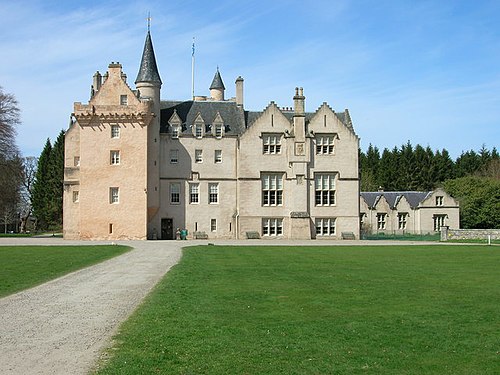
Castle Grant is a Z-plan stone tower house in Strathspey, Highlands of Scotland, historically the seat of the chiefs of Clan Grant. Originally called Freuchie Castle, it was renamed Castle Grant in 1694 and is a Category A listed building with designed grounds. It remains in private ownership and is undergoing restoration as a family home.
Its prime
1694
Today
Restored
As it stood in 1694
What Castle Grant looked like in its prime.
A 15th-century Z-plan tower house: a rectangular main block with two projecting corner towers set diagonally, punctuated by multiple gabled dormer windows whose heads were painted and gilded. The external walls display carved stone heraldic beasts and animal motifs. The roofline is varied with dormers rising from steep roofs; the castle sits within laid-out grounds north of Grantown-on-Spey. At its prime the building is fully roofed and ornamented, its masonry continuous and complete.
Its story
The story of Castle Grant.
From Comyn Land to the Castle of Freuchie
The Z-plan tower house standing a mile north of what is now Grantown-on-Spey dates from the fifteenth century, and in that same century the lands around it passed out of the hands of Clan Comyn to the Grants, who made the place their main stronghold and the seat of their chiefs in Strathspey. It was known then as Freuchie Castle, from the Gaelic fraoichaich, of or abounding in heather.
James Grant of Freuchie supported James V of Scotland. The sixth laird, John Grant, made improvements to the building, having the castle decorated with stone heraldic beasts and animals carved by Ralph Rawlinson, while the long gallery and the heads of the dormer windows were painted and gilded by John Anderson of Aberdeen.
With Montrose in the 1640s, and the Regality of 1694
Although the Grants were Protestants, they joined James Graham, 1st Marquess of Montrose, during the Scottish Civil War of the 1640s. Half a century later the family's standing was written into law: in 1694 the lands were erected into the regality of Grant, and the castle's name changed with them from Freuchie to Castle Grant.
Ludovick Grant Against the Jacobites, 1715 and 1745
Ludovick Grant, the eighth laird, backed the Hanoverians against the Stewarts and fought against the Jacobites in both the rising of 1715 and the rising of 1745. It did his own walls no good: for all his campaigning, Castle Grant itself was occupied by the Jacobites. Robert Burns visited the castle in 1787.
Requisition, Fire and Forty Empty Years
Sir Robert Lorimer restored the castle in 1912. It was requisitioned by the Army during the Second World War, and afterwards stood unoccupied for four decades. A fire in August 1982 did further damage, and the sale that followed the next year, to a development company, came as something of a surprise, the Clan Grant Society having failed in a bid to buy it. By 1984 the building was derelict and the cost of renovation was put at £400,000. The developers ran out of money and it was abandoned again.
A Chain of Owners, 1994 to 2022
Graham Keeler bought the castle in 1994 and some restoration was carried out over that decade. In 2006 it was purchased for £720,000 by the businessman Craig Whyte, who led Rangers F.C. into administration and liquidation in 2012; when he refused to make mortgage payments the Bank of Scotland seized the castle. It was sold in September 2014 to Sergey Fedotov, former chief executive of the Russian Author Society, who was later arrested for fraud. The present owners bought it in 2022 and are restoring it as their family home. The castle has been a Category A listed building since 26 January 1971, and its grounds are included in the Inventory of Gardens and Designed Landscapes in Scotland.
Step inside
6 places to explore in 1694.
The record describes 6 distinct spots at Castle Grant, including 1 interior: long gallery (interior). Create your own photoreal reconstruction and explore every one, more scenes means more rooms, more angles, and more of the place to stand in.
Build Your Own Castle
Recreate Castle Grant with AI to explore it.
The artist rebuilds it as it stood in 1694, a photoreal reconstruction that belongs to you alone. Pay with coins, no subscription needed.
Recreate this castle →Defend this castle →Whose castle
Clans who held Castle Grant.
The families that held Castle Grant for a decade or more across its history, follow a name to its clan.
Main stronghold and seat of the chiefs of Clan Grant from the fifteenth century until the family sold it in 1983; renamed from Freuchie Castle in 1694.
Comyn
The lands were held by Clan Comyn before passing to the Grants in the fifteenth century.
From the archive
Castle Grant on paper: the measured plan and period views.
The survey plan and photographs below are the ground truth this page's reconstructions are checked against, drawn and photographed while the castle was still a working garrison. Every image is public-domain or openly licensed, with its source named.
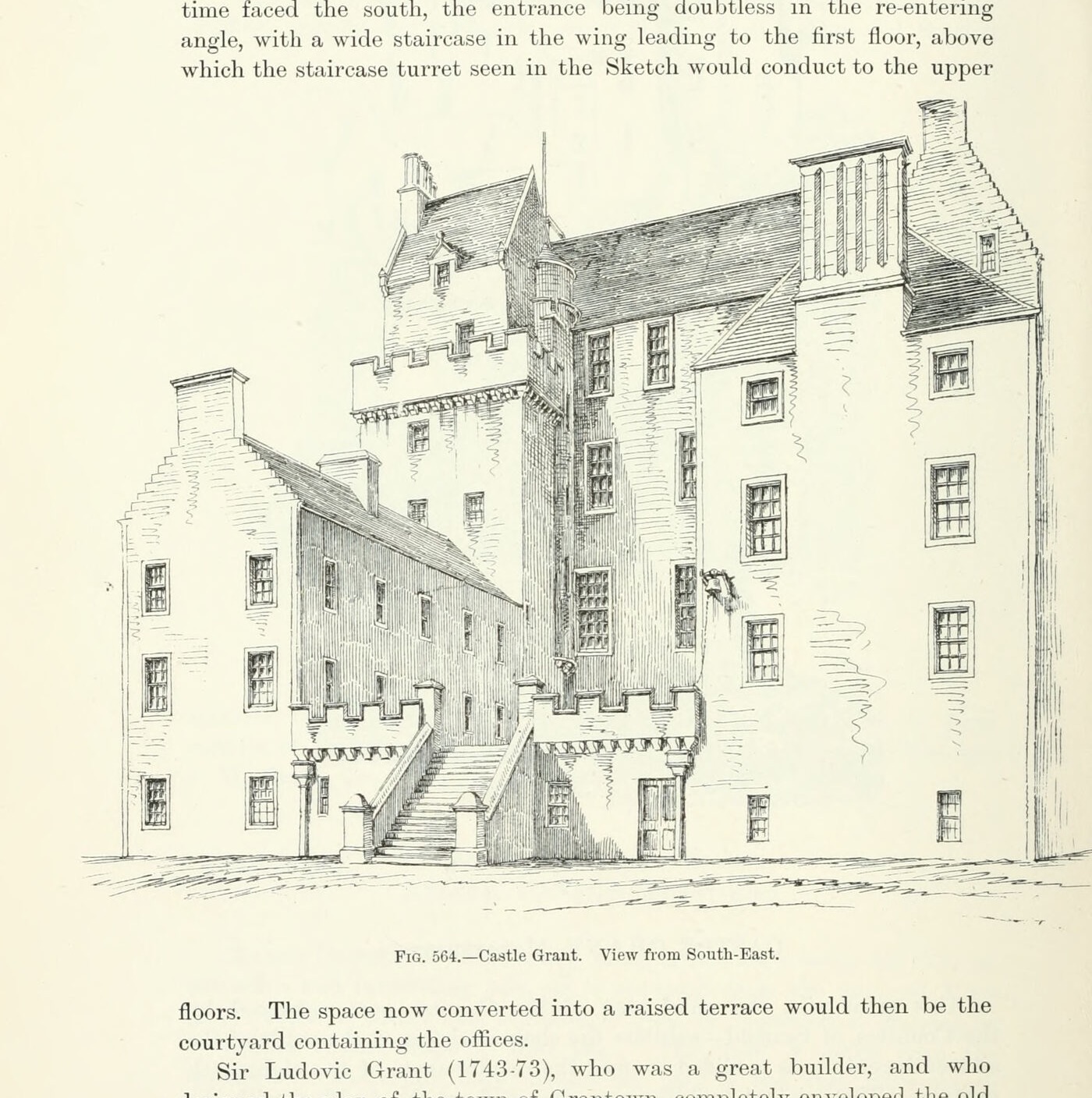
Fig. 564. Castle Grant. View from South-East.
1889 · MacGibbon & Ross, vol. 3 (1889)
Public domain
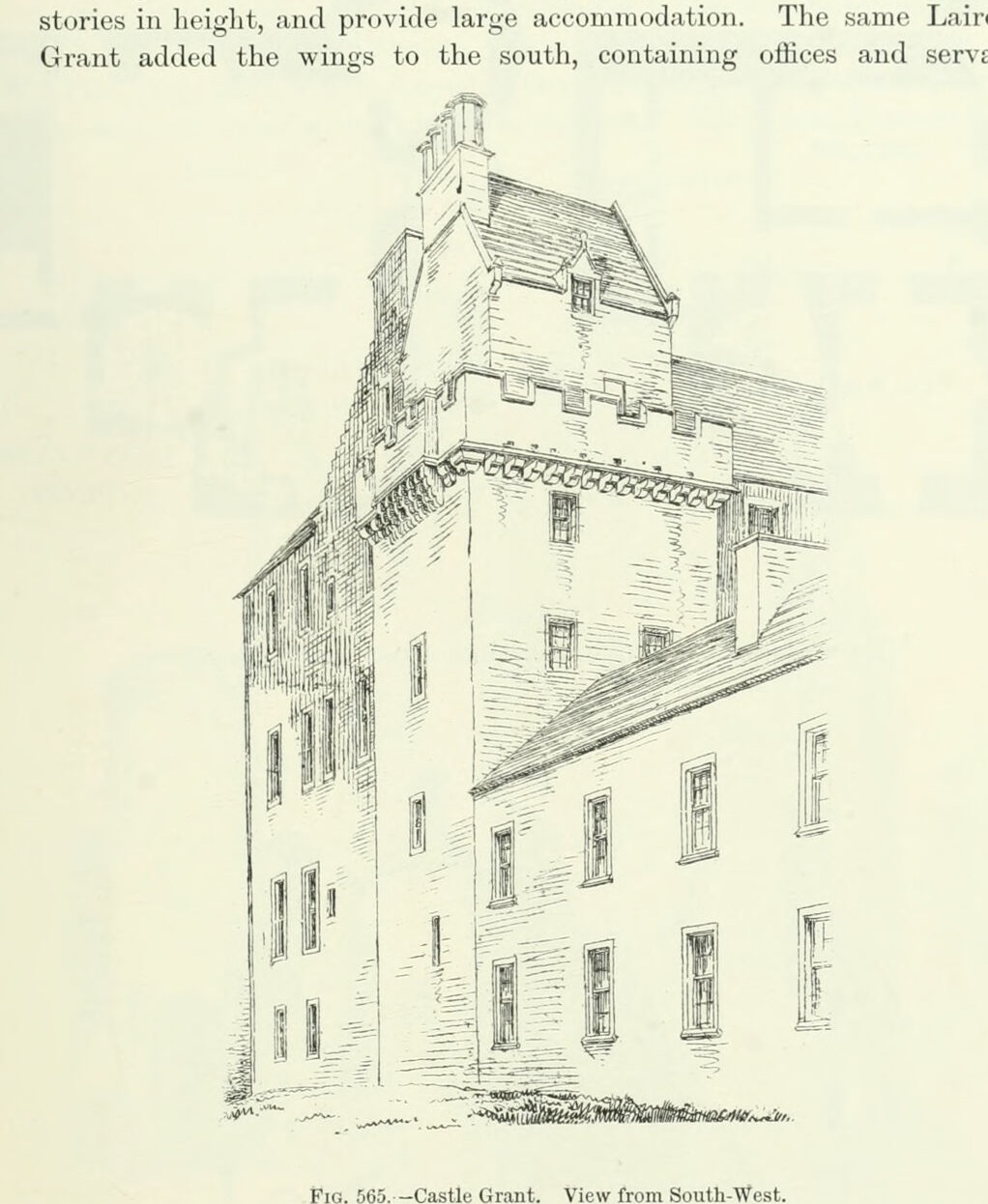
Fig. 565. Castle Grant. View from South-West.
1889 · MacGibbon & Ross, vol. 3 (1889)
Public domain