
Scotland · Ruin
Corse Castle
Corse Castle near Lumphanan, Aberdeenshire, is a 16th-century Scottish tower house erected in 1581 for the Forbes family. It is a compact Z-plan/L-plan tower house and has been designated a scheduled monument. The castle now survives as a roofless ruin standing beside the Corse Burn.
Its prime
1581
Today
Ruin
As it stood in 1581
What Corse Castle looked like in its prime.
Compact 16th-century Z-plan tower house of coursed rubble stone with a tall rectangular main block and projecting corner towers forming an L/Z footprint. Corbelled round stair-turrets (bartizans) at the corners rise above the roofline; pitched slate roofs and a prominent gabled chimney stack crown the main block. Narrow vertical slit and small rectangular windows pierce thick walls. Set on a low mound beside the Corse Burn with trees behind, the castle stands as a complete, multi-storey tower house.
Its story
The story of Corse Castle.
Corse was a property of the Forbes family, and the present tower house by the Corse Burn, some three miles north-west of Lumphanan in Aberdeenshire, was erected in 1581 as the fortress and centre of a landed estate in the north-east of Scotland.
A second son of the family, William, a merchant, bought nearby Craigievar Castle in 1610 and completed it in 1626. In 1869 Corse was occupied by James Ochoncar Forbes (1837–1900), second son of Sir John Forbes, 7th Baronet of Craigievar, his elder brother, William Forbes-Sempill, 17th Lord Sempill, having inherited Craigievar and a peerage from a cousin. The castle, now a roofless ruin, is a scheduled monument.
Step inside
5 places to explore in 1581.
The record describes 5 distinct spots at Corse Castle, including the full exterior approach. Create your own photoreal reconstruction and explore every one, more scenes means more rooms, more angles, and more of the place to stand in.
Build Your Own Castle
Recreate Corse Castle with AI to explore it.
The artist rebuilds it as it stood in 1581, a photoreal reconstruction that belongs to you alone. Pay with coins, no subscription needed.
Recreate this castle →Defend this castle →Whose castle
Clans who held Corse Castle.
The families that held Corse Castle for a decade or more across its history, follow a name to its clan.
Corse was a Forbes property; the tower house was erected for the family in 1581.
From the archive
Corse Castle on paper: the measured plan and period views.
The survey plan and photographs below are the ground truth this page's reconstructions are checked against, drawn and photographed while the castle was still a working garrison. Every image is public-domain or openly licensed, with its source named.
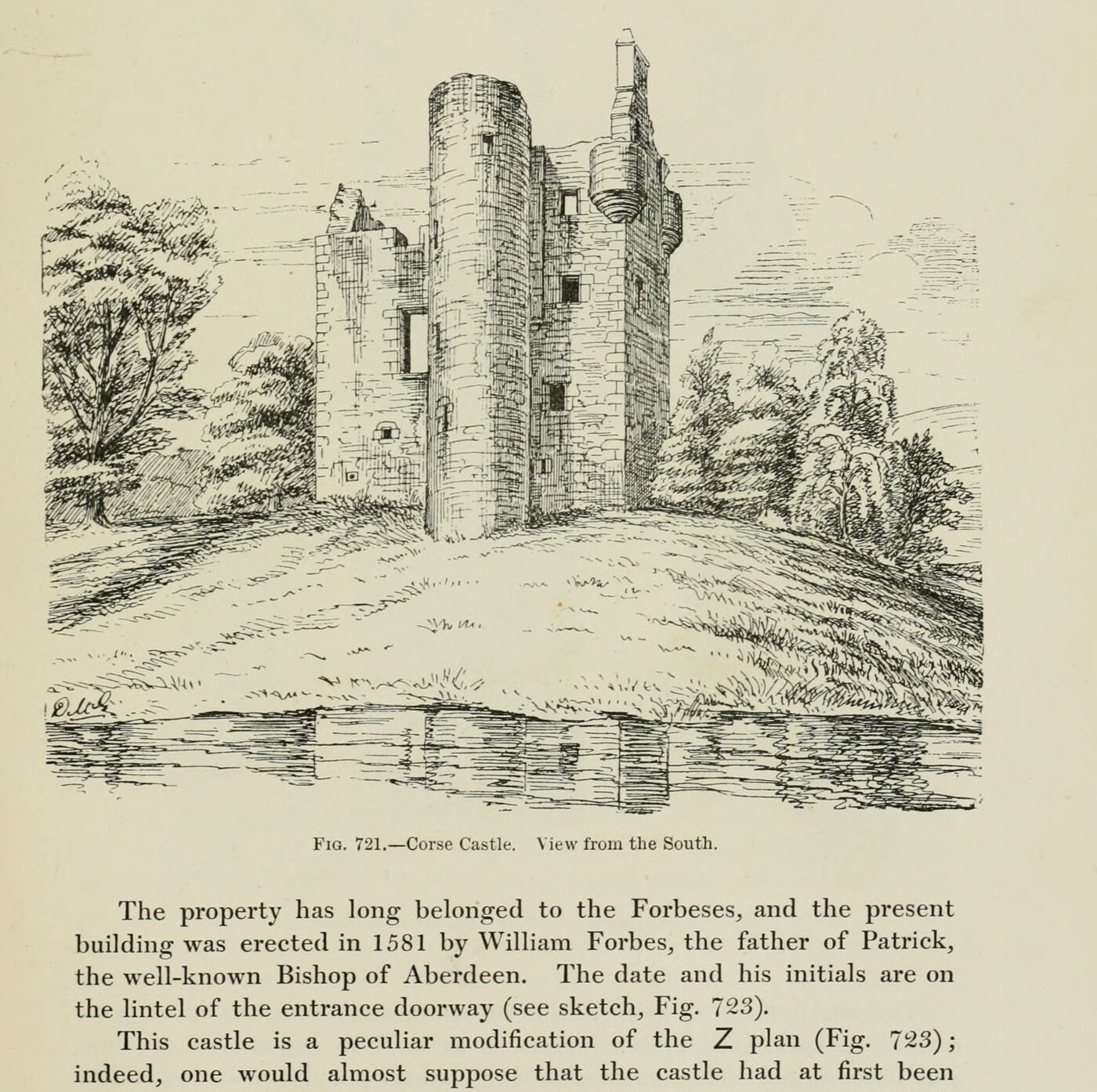
Fig. 721. Corse Castle. View from the South.
1887 · MacGibbon & Ross, vol. 2 (1887)
Public domain
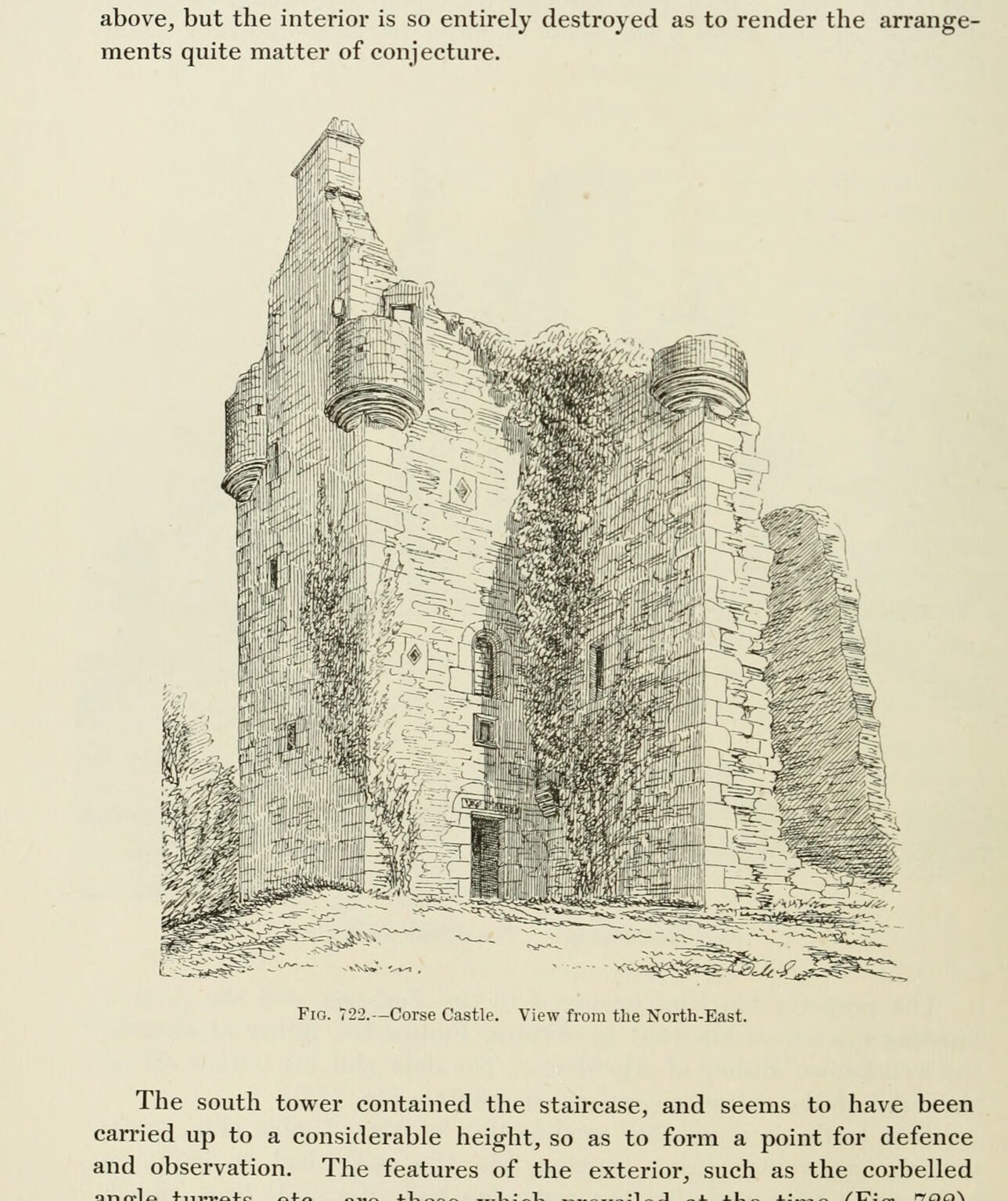
Fig. 722. -- Corse Castle. View from the North-East.
1887 · MacGibbon & Ross, vol. 2 (1887)
Public domain
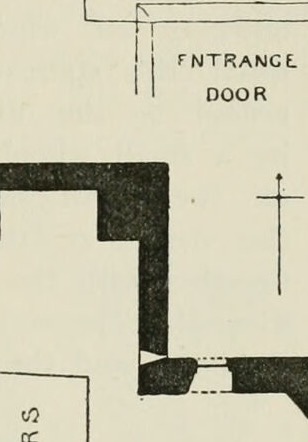
WF. 1581 ES. / ENTRANCE DOOR
1887 · MacGibbon & Ross, vol. 2 (1887)
Public domain
Nearby


