
Scotland · Partial ruin
Crookston Castle
Crookston Castle is a medieval stone castle on a natural hill in the Pollok area of Glasgow, overlooking the Levern Water near its confluence with the White Cart Water. The rectangular main block has a tower at each corner in an unusual irregular 'X-plan'; only the north-east tower survives to its former height while other towers and western ranges were once destroyed and later repaired. The site is a scheduled monument open to the public.
First raised
1180
Its prime
1545
Today
Partial ruin
As it stood in 1545
What Crookston Castle looked like in its prime.
Set atop a natural hill surrounded by an early circular ring ditch, the castle is a rectangular stone block roughly 19 by 12 metres with a tower at each corner forming an irregular X-plan. Walls are very thick, with the north-east tower rising to full height (about 6 m square) and the south-east tower retaining a basement; the entrance is on the north side beside the north-east tower with a portcullis. The hall at first-floor level is vaulted and tall, and a barrel-vaulted basement contains a well and slit windows.
Its story
The story of Crookston Castle.
Origins: The de Crocs and the Stewarts of Darnley, 12th century–c.1400
The castle sits within a defensive ring ditch dating to the twelfth century, when Sir Robert de Croc, who gave his name to the village of Crookston, built a timber and earth castle here; evidence of an even earlier fortification on the same site has also been found. Remains of a chapel de Croc founded in 1180 have been uncovered on the hill.
The lands passed by purchase to Sir Alan Stewart in 1330 and then to Sir John Stewart of Darnley in 1361. The Darnley Stewarts replaced the earlier earth-and-timber castle with the present stone structure around 1400.
The Lennox Rebellion and Siege, 1489–1544
In 1489 the Stewart Earl of Lennox rebelled against James IV, who brought the cannon Mons Meg from Edinburgh and bombarded the castle, virtually destroying its western end and ensuring a quick surrender.
On 3 April 1544 the castle was besieged and taken by the Earl of Arran and Cardinal Beaton while the Earl of Lennox was away defending Glasgow Castle. Crookston was by then regarded as the principal house of the earls of Lennox; Regent Arran installed five gunners there the following month.
Lord Darnley and the Lennox Inheritance, to 1572
Crookston was later included in the dower lands of Margaret Douglas, Countess of Lennox, whose son Henry Stuart, Lord Darnley, became the second husband of Mary, Queen of Scots. It may have been at Crookston, under a yew tree on the hill, that the couple were betrothed. In 1572 the castle was granted to another Stewart, Charles, Earl of Lennox.
From the Dukes of Montrose to the Maxwells of Pollok, 1703–1931
The Duke of Lennox sold Crookston to the Duke of Montrose in 1703, and it remained the property of the Montrose dukes until 1757, when William Graham, 2nd Duke of Montrose, sold it to the Maxwells of Pollok. After years of abandonment, the Maxwells partially restored the castle in 1847 to mark Queen Victoria's visit to Glasgow.
In 1931 Sir John Maxwell Stirling-Maxwell, a founder member and first vice-president of the National Trust for Scotland, presented Crookston to the Trust, its first property.
Wartime Watch Tower and Present Custody
The yew tree associated with Darnley's betrothal was felled in 1816; a model of the castle carved from its wood is now on display in Pollok House. During the Second World War the surviving north-east tower served as an aircraft watch tower.
Crookston has been a scheduled monument since 1920. Historic Environment Scotland maintains the castle today, and it is open to the public, the only medieval castle left in Glasgow, and the city's second-oldest building after Glasgow Cathedral. Its main block, with a tower at each corner forming an irregular X-plan otherwise seen at Hermitage Castle, survives; only the north-east tower still stands to its former height.
Step inside
11 places to explore in 1545.
The record describes 11 distinct spots at Crookston Castle, including 6 interiors: barrel-vaulted basement, vaulted first-floor hall, mural stair and entrance passage and more. Create your own photoreal reconstruction and explore every one, more scenes means more rooms, more angles, and more of the place to stand in.
Build Your Own Castle
Recreate Crookston Castle with AI to explore it.
The artist rebuilds it as it stood in 1545, a photoreal reconstruction that belongs to you alone. Pay with coins, no subscription needed.
Recreate this castle →Defend this castle →Whose castle
Clans who held Crookston Castle.
The families that held Crookston Castle for a decade or more across its history, follow a name to its clan.
From the archive
Crookston Castle on paper: the measured plan and period views.
The survey plan and photographs below are the ground truth this page's reconstructions are checked against, drawn and photographed while the castle was still a working garrison. Every image is public-domain or openly licensed, with its source named.
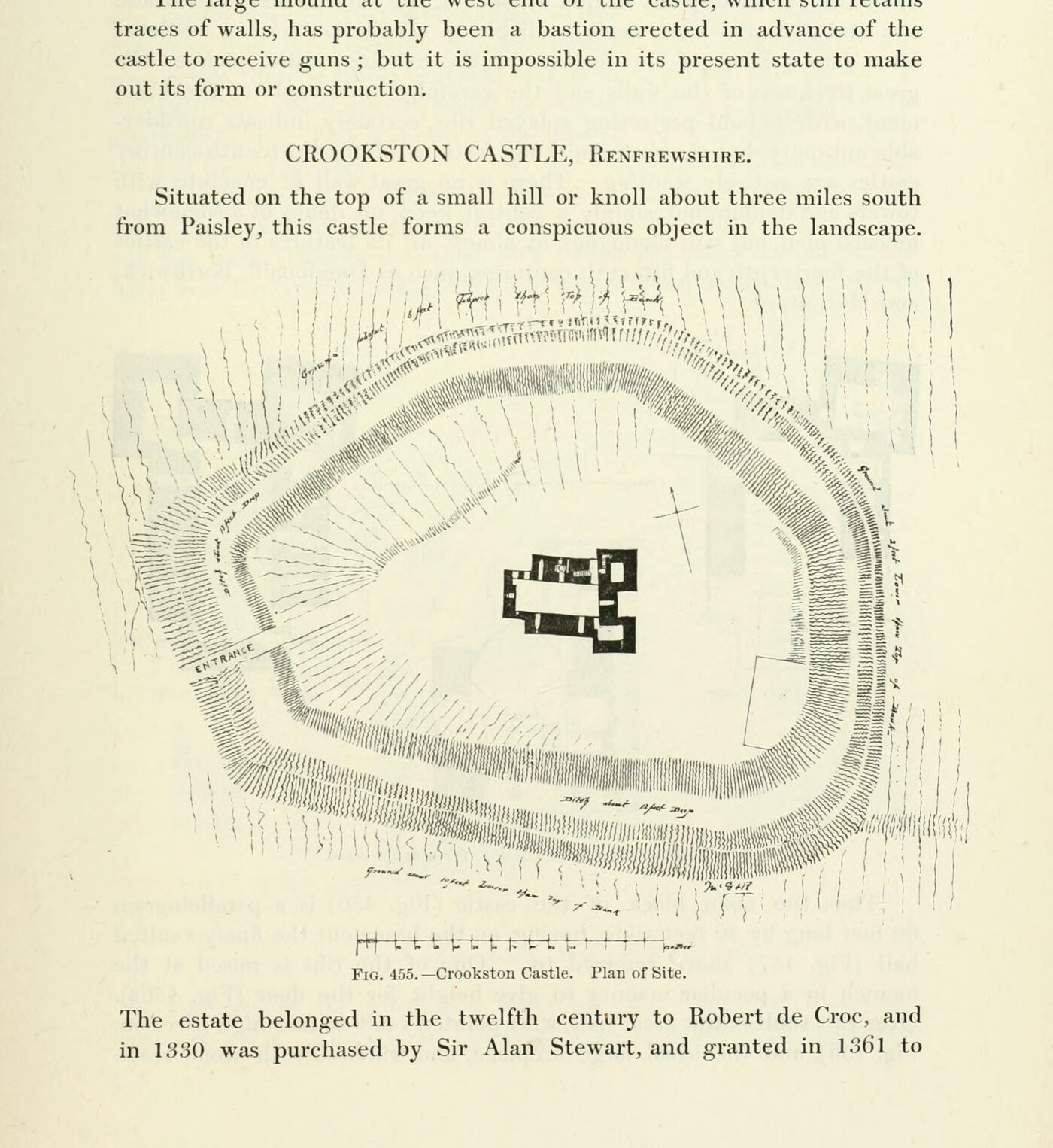
Fig. 455. Crookston Castle. Plan of Site.
1887 · MacGibbon & Ross, Castellated and Domestic Architecture of Scotland, vol. 1 (1887)
Public domain
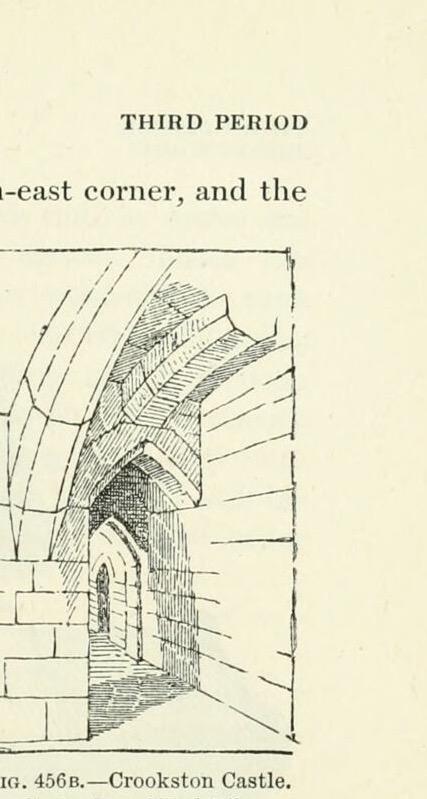
Fig. 456B. Crookston Castle. Springing of End Rib.
1887 · MacGibbon & Ross, Castellated and Domestic Architecture of Scotland, vol. 1 (1887)
Public domain
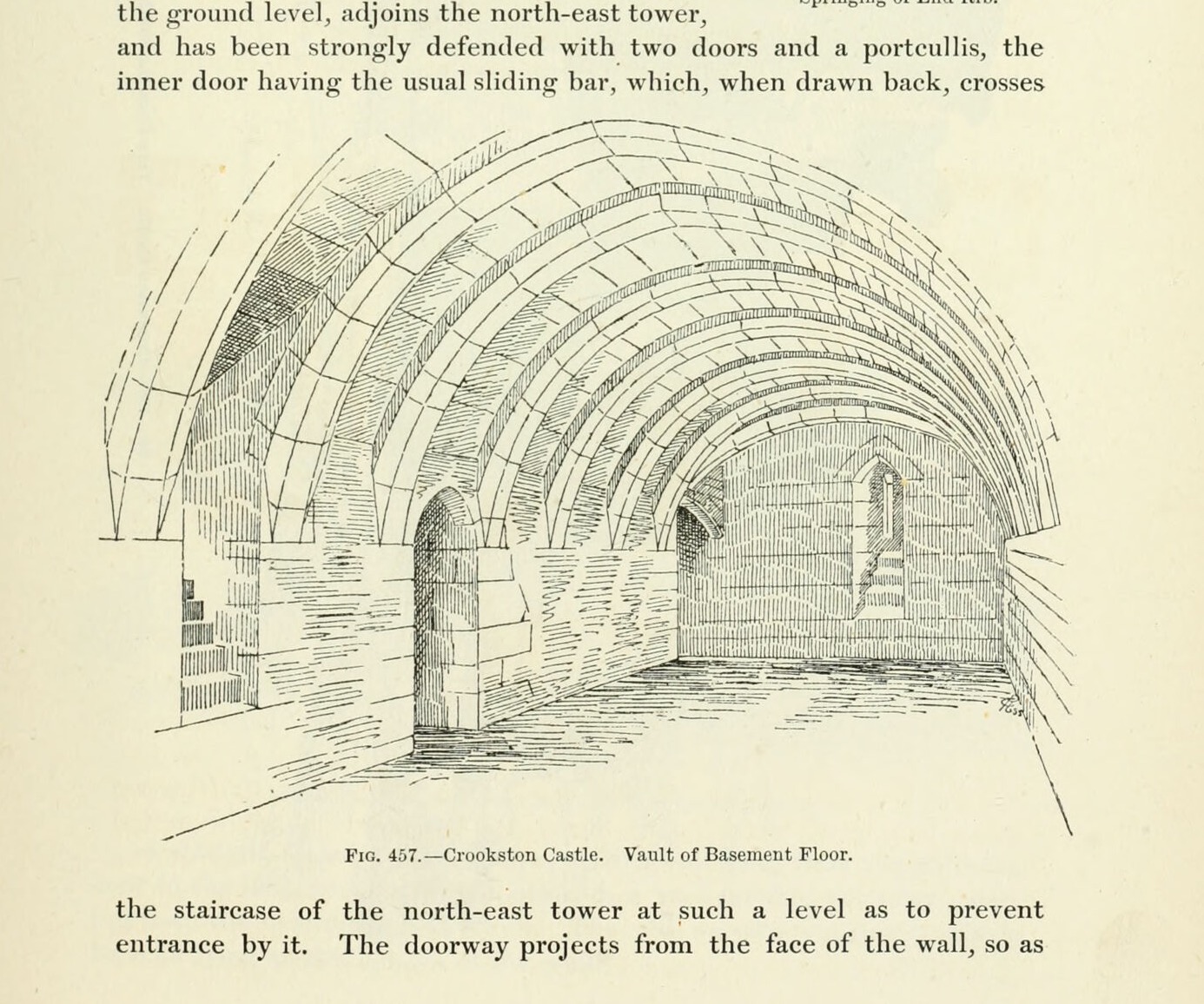
Fig. 457. Crookston Castle. Vault of Basement Floor.
1887 · MacGibbon & Ross, Castellated and Domestic Architecture of Scotland, vol. 1 (1887)
Public domain
Nearby
Landmarks within reach of Crookston Castle.


Questions about Crookston Castle
What is the history of Crookston Castle?
What is inside Crookston Castle?
Why was Crookston Castle built, and what was it used for?
Where is Crookston Castle?
When was Crookston Castle built?
Was Crookston Castle ever attacked or besieged?
Which family or clan held Crookston Castle?
What did Crookston Castle look like in its prime?
Is Crookston Castle still standing, or is it a ruin?
Who built Crookston Castle?
Can you visit Crookston Castle?
More castles of Scotland


Explore the city


