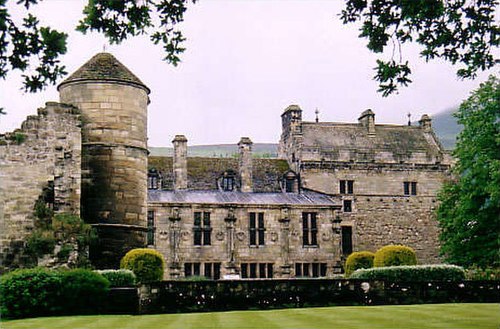
Scotland · Still standing
Dunvegan Castle
Caisteal Dhùn Bheagain
Dunvegan Castle is the ancestral seat of the MacLeod of MacLeod on the Isle of Skye, sited on a rocky promontory projecting into Loch Dunvegan. The fabric visible today was developed in phases from the 13th century, with the present baronial appearance completed around 1840. The site includes an elevated rock summit, curtain walls, multiple towers (including an older four-storey tower and the separate Fairy Tower) and landward defensive earthworks.
First raised
1220
Its prime
1840
Today
Still standing
As it stood in 1840
What Dunvegan Castle looked like in its prime.
Perched on a roughly 15 m high rocky promontory on the eastern shore of a north-facing sea loch, the castle is a rectangular multi-range stone complex with crenellated parapets and corbelled corner turrets. A tall, square four-storey tower projects above lower ranges; a separate smaller roundish Fairy Tower stands nearby. Stone is a weathered yellow-brown masonry with darker vertical streaking. The roofline is a mix of battlemented walls and pitched roofs over lower ranges; the site is enclosed by a low curtain wall above the cliff.
Its story
The story of Dunvegan Castle.
The Rock Above Loch Dunvegan
The castle stands on the summit of a rock some 50 feet above the sea, thrown out on to the eastern shore of a north-facing inlet of Loch Dunvegan, a sea loch on Skye a mile north of Dunvegan. On the landward side a partly natural ditch about 18 feet deep cuts the approach. The promontory was probably fortified from the earliest times; the castle itself was first built in the 13th century, when a curtain wall was drawn around the promontory, and it developed piecemeal over the centuries that followed.
Alasdair Crotach's Fairy Tower, About 1500
A four-storey tower house went up in the late 14th century, close in style to contemporary work at Kisimul Castle and Caisteal Maol. Around 1500 Alasdair Crotach, eighth chief of Clan MacLeod, added the Fairy Tower, a separate building, not a wing of the older tower. The two stood apart until the 17th century, when new ranges were raised in the gap between them, beginning in 1623 with the state apartment built by Ruairidh Mòr. The old tower was then abandoned, and stayed so until the late 18th century.
Three Chiefs and the Baronial Remodelling
The 23rd chief began the work of pulling the castle's mismatched parts into one appearance, and the 24th and 25th chiefs carried it on, adding mock battlements and a new approach over a drawbridge from the east. This baronialisation was complete by about 1840, and the castle has kept that mock-medieval form since. It remains the seat of the MacLeod of MacLeod, chief of Clan MacLeod, and is a Category A listed building; among the family heirlooms kept there are the Dunvegan Cup, Sir Rory Mor's Horn and the Fairy Flag.
Step inside
9 places to explore in 1840.
The record describes 9 distinct spots at Dunvegan Castle, including 2 interiors: state apartment (interior), heirloom display (interior). Create your own photoreal reconstruction and explore every one, more scenes means more rooms, more angles, and more of the place to stand in.
Build Your Own Castle
Recreate Dunvegan Castle with AI to explore it.
The artist rebuilds it as it stood in 1840, a photoreal reconstruction that belongs to you alone. Pay with coins, no subscription needed.
Recreate this castle →Defend this castle →Whose castle
Clans who held Dunvegan Castle.
The families that held Dunvegan Castle for a decade or more across its history, follow a name to its clan.
Seat of Clan MacLeod since the 13th century, held to this day.
From the archive
Dunvegan Castle on paper: the measured plan and period views.
The survey plan and photographs below are the ground truth this page's reconstructions are checked against, drawn and photographed while the castle was still a working garrison. Every image is public-domain or openly licensed, with its source named.
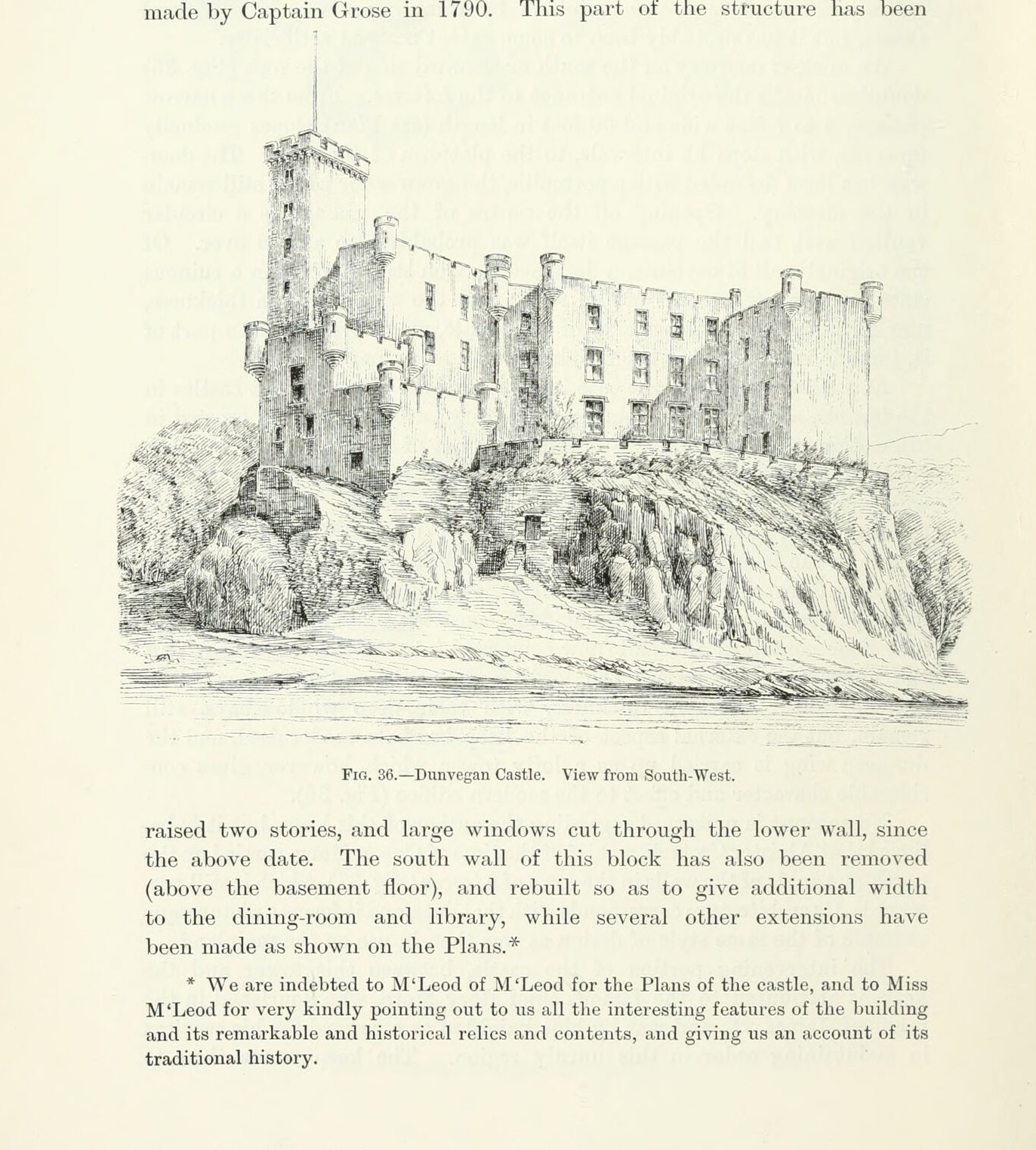
Fig. 36. Dunvegan Castle. View from South-West.
1889 · MacGibbon & Ross, vol. 3 (1889)
Public domain
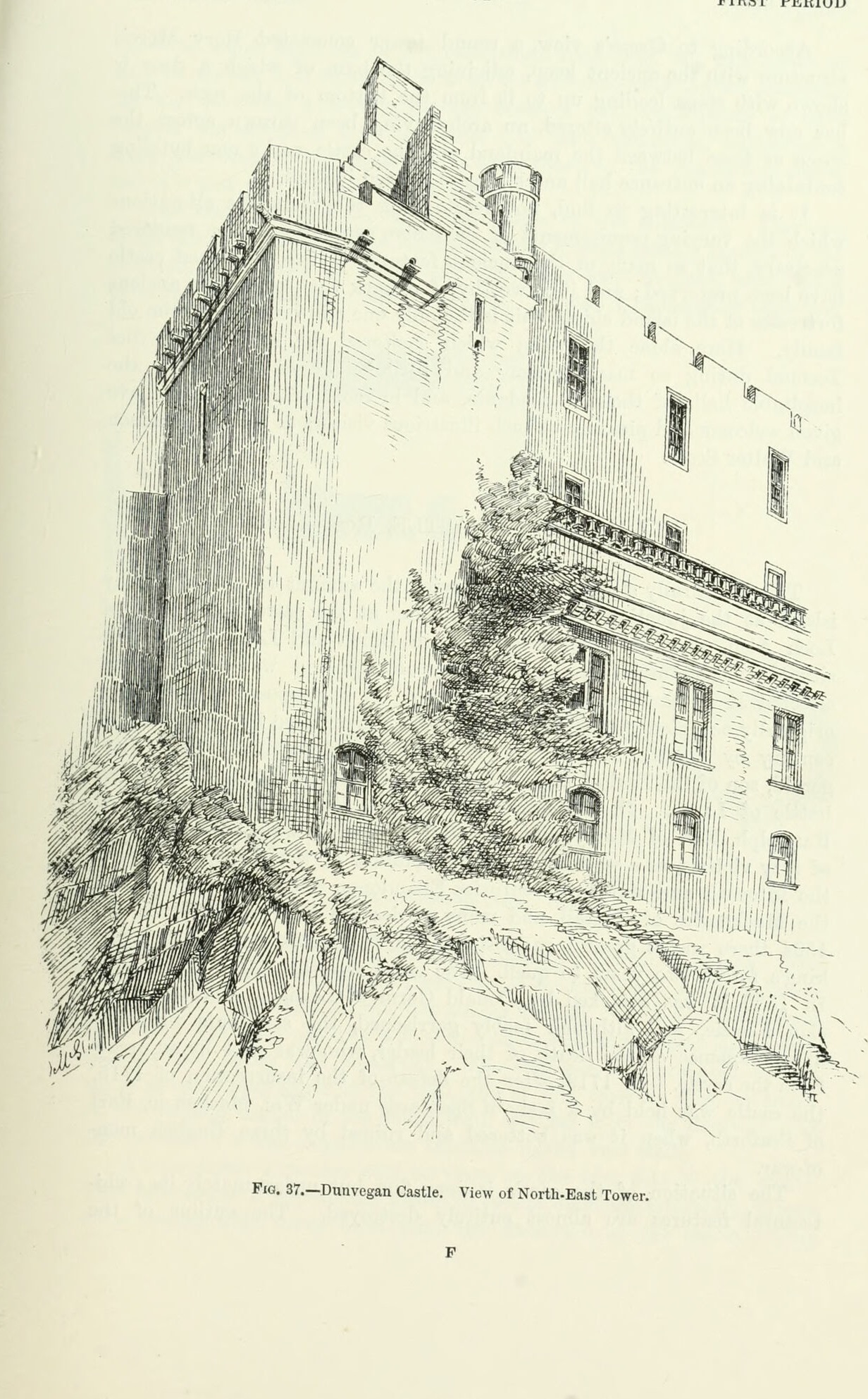
Fig. 37. Dunvegan Castle. View of North-East Tower.
1889 · MacGibbon & Ross, vol. 3 (1889)
Public domain