Scotland · Restored
Lickleyhead Castle
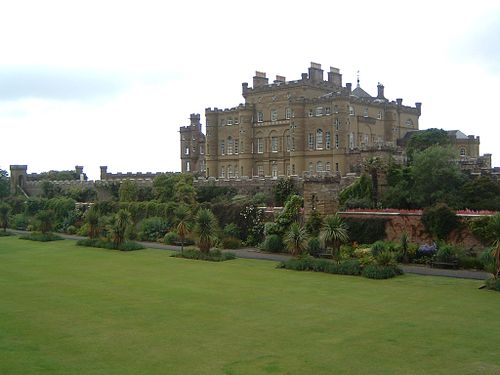
Lickleyhead Castle is an L-plan Scottish tower house near Auchleven in Aberdeenshire, dating from around 1600 with later additions. The harled stone building has corbelled turrets, crow-stepped gables and a vaulted basement; it is a category A listed building and has been well restored.
Its prime
1825
Today
Restored
As it stood in 1825
What Lickleyhead Castle looked like in its prime.
Lickleyhead Castle is an L-plan harled stone house with a main east–west block and a southward-jutting wing that covers two faces. The north front bears corbelled two-storey turrets with oval upper windows, while a heavily corbelled semi-circular stair turret corbelled out to square rises in the west re-entrant. Crow-stepped gables top slated roofs; the tower reaches three storeys with an attic and garret. Walls include slit windows and several shot-holes; the site lies by the banks of the Gadie Burn.
Its story
The story of Lickleyhead Castle.
The Leiths on the Gadie Burn, to 1625
The estate belonged first to Clan Leslie, until William Leith, twice Provost of Aberdeen, acquired it from George Leslie in the 13th century. It stayed with his family until 1625, when Patrick Leith sold it to William Forbes of Leslie. The L-plan castle beside the Gadie Burn, a kilometre south of Auchleven, dates from around 1600, and Forbes is thought to have restored its main block, perhaps with the help of John Bell of Aberdeen. The name is also written Licklihead and Licklyhead.
A Hand Shot Away and a Reckoning After the Restoration
While living in the house, William Forbes, an illegitimate son of John Forbes, accidentally shot off his own hand. It was taken as a judgment on him for the murder of Alexander Irvine, who was thought to be a supporter of the Marquess of Montrose; after the Restoration, Forbes was executed for the killing. The tower carries no gun loops at all, but twelve shot holes.
Duffs, Lumsdens and the Governor of Mexico City
The Hays held the castle for a period from the end of the 17th century. Patrick Duff of Craigston bought it in 1723, and he and his son built a new wing and remodelled the interior; Henry Lumsden made further additions in the 1820s, having acquired the property from the Ogilvy-Maitland family. It was the seat of the lairds of Premney.
In 1922 Don Guillermo de Landa y Escandón, then Governor of Mexico City, bought Lickleyhead for his daughter Maria Luiz on her marriage into the Arbuthnot-Leslie family. Her great-granddaughter, the actress Rose Leslie, spent part of her childhood here. The castle was repossessed from Rose Leslie's father in 2018 after a dispute over repayments on a loan; the current owners are the Davies family, originally from the Wirral. It has been a category A listed building since November 1972.
Step inside
10 places to explore in 1825.
The record describes 10 distinct spots at Lickleyhead Castle, including 5 interiors: vaulted basement with kitchen and cellar, narrow turnpike stairs to first floor, turret stair to attic and garret and more. Create your own photoreal reconstruction and explore every one, more scenes means more rooms, more angles, and more of the place to stand in.
Build Your Own Castle
Recreate Lickleyhead Castle with AI to explore it.
The artist rebuilds it as it stood in 1825, a photoreal reconstruction that belongs to you alone. Pay with coins, no subscription needed.
Recreate this castle →Defend this castle →Whose castle
Clans who held Lickleyhead Castle.
The families that held Lickleyhead Castle for a decade or more across its history, follow a name to its clan.
From the archive
Lickleyhead Castle on paper: the measured plan and period views.
The survey plan and photographs below are the ground truth this page's reconstructions are checked against, drawn and photographed while the castle was still a working garrison. Every image is public-domain or openly licensed, with its source named.
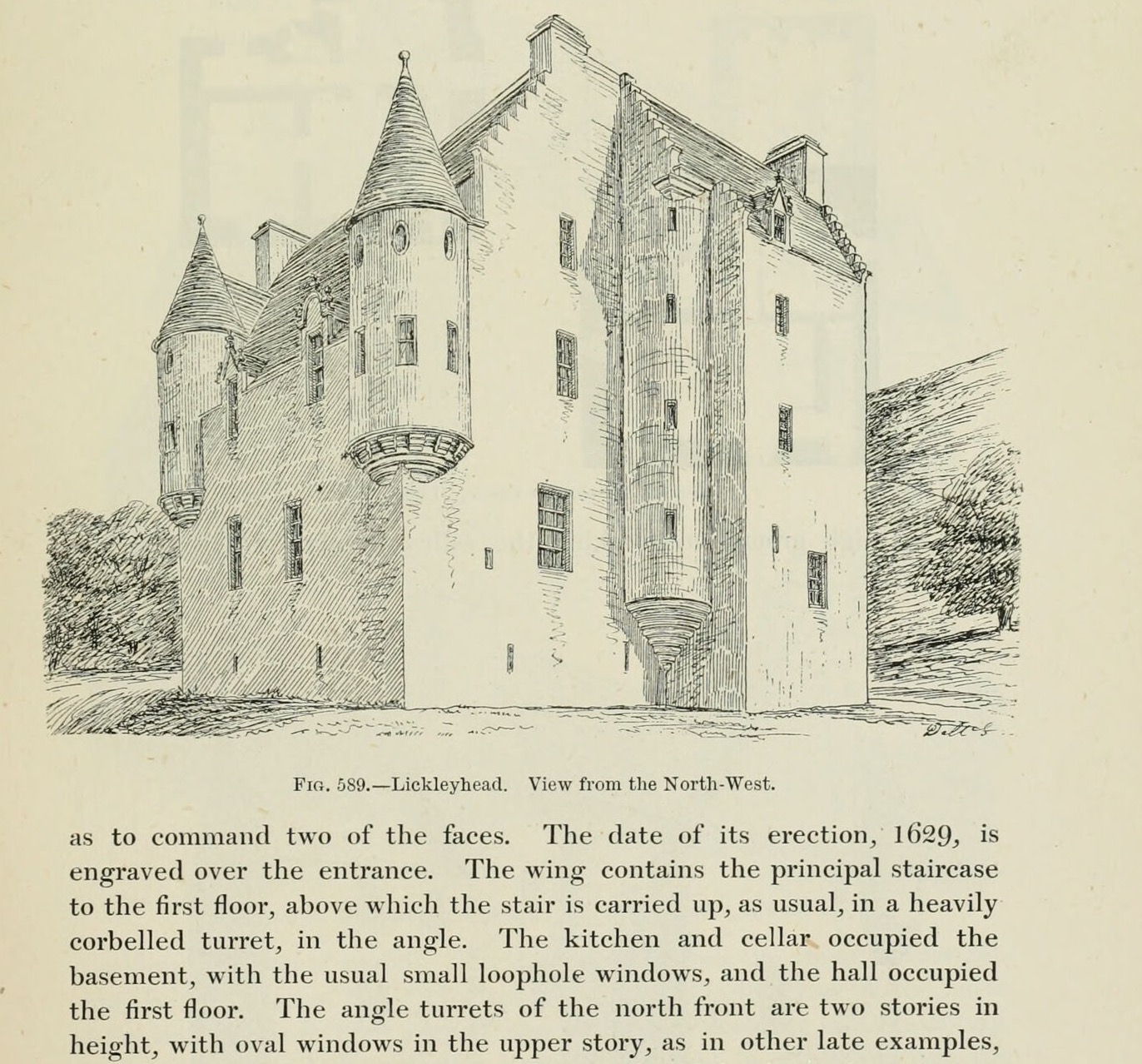
Fig. 589. -- Lickleyhead. View from the North-West.
1887 · MacGibbon & Ross, vol. 2 (1887)
Public domain