
Sweden · Restored
Uppsala Castle
Uppsala slott
Uppsala Castle is a 16th-century royal castle on a hill in the city of Uppsala, Sweden, originally begun under Gustav I in 1549 and expanded under later monarchs. It played a central role in Sweden's history and today houses the county governor's residence, museums and offices following extensive repairs and restorations.
First raised
1567
Its prime
1592
Today
Restored
As it stood in 1592
What Uppsala Castle looked like in its prime.
Built atop the Kasåsen esker, the castle presents a long, rectangular pink-painted masonry south façade with regularly spaced rectangular windows under a low, dark pitched roof punctuated by small chimneys. Prominent round corner towers with dark domed roofs anchor the ends of the building. A central flagpole rises above the roof. The castle terrace drops to formal, terraced gardens and a central stair and fountain aligned with the main approach. At prime the south wing contained the hall of state and church.
Its story
The story of Uppsala Castle.
A Battery Aimed at the Cathedral, 1549
Building began in 1549, after the peasant rising known as the Dacke War prompted a decision to raise new defensive castles across the kingdom. Gustav I Vasa's masons took the crown of Kasåsen, the large esker above the town, setting royal apartments in the south-west corner behind two heavy bastions on the western side, Gräsgården and Styrbiskop. Styrbiskop means Bishop-Controller, and the name was literal: its guns stood permanently trained on Uppsala cathedral below, answering the hostility between king and church authorities that had run from the start of his reign.
The first living quarters were finished in 1567 and the old royal manor of Uppsala gård was given up. In May of that year, in the reign of Eric XIV, the Sture murders were committed in the castle's dungeon. An addition east of the royal apartments, holding a hall of state and a church, was begun soon after the first castle was done and completed under Eric.
Franciscus Pahr and the U That Was Never Closed
Fire tore through the castle on 23 April 1572, in the reign of John III, badly damaging both the original royal apartments and the new representation range. John engaged Franciscus Pahr, who designed a south wing to replace it: royal apartments in the western half, hall of state and church in the eastern, with a colonnaded courtyard to the north. Pahr died in 1580 with only the western half standing. A second architect, possibly Willem Boy, finished the eastern half and went further, planning a great north wing with towers linked to the south wing by a long, narrow east range called Långslottet, the Long Castle, a U-shaped palace.
Between them the two men delivered the south wing with its apartments, hall of state and church, rebuilt the south-west tower and raised a new south-east one. Two-thirds of the Long Castle stood when John III died in 1592. Charles IX wanted the northern and eastern ranges finished; the Long Castle and its north-east tower were completed, the north wing never was. The church's stucco reredos, rising the full height of the wall behind the altar, dates from this rebuilding.
Coronation Feasts, 1607 and 1617
Hosting the coronation festivities that followed the ceremony in the cathedral became one of the castle's chief functions. Charles IX held his coronation dinner in the new hall of state in 1607, and his son Gustavus Adolphus did the same in 1617. It was here, in 1630, that Gustavus Adolphus announced the decision that Sweden would enter the Thirty Years' War. Queen Christina did not follow the tradition (by then Sweden was a great power and could no longer crown its queen in hard-to-reach Uppsala), but it was here that her abdication was announced in 1654.
The Town Fire of 16 May 1702
On 16 May 1702 fire ran through Uppsala and destroyed much of the city; the castle's south wing was badly damaged. Though the harm was probably moderate, the building was condemned outright and parts of the main range pulled down for material, some of the stone going to Stockholm for the new royal palace; Tre Kronor had burned five years earlier, which is also why Uppsala waited decades for its own repairs.
Work finally ran from 1743 to 1762, begun by Duke Adolf Frederick, elected heir to the throne in 1743 and in need of a residence, to designs by Carl Hårleman. The western part of the south wing, which had held the royal apartments, was not rebuilt; the less damaged eastern part was repaired, and the tall church interior divided into floors and rooms for apartments, the surviving reredos left in place. Adolf Frederick was crowned in 1751 and moved to Drottningholm; funds dried up in 1762 and the north wing was never built. The south-east tower, raised only two storeys by Hårleman, was carried to full height in 1815 to serve as the county prison. The Gunilla bell, cast in 1588 and recast in 1759 after the fire, was moved to the battlements of the Styrbiskop battery and rang the town's curfew.
Prisoners, Archives and Governors
Unfinished rooms served by turns as prison, drying loft and store for the Uppland regiment until the cell prison south of the castle opened in 1862. A prison door carries an inmate's own record: he came here in captivity on 9 February 1631, and on 28 September he went to his death. Graffiti in the older Gräsgården bastion runs back to 1595, among it a man hanging from a gallows, cut in what was then the nursery; real executions were visible from that room.
After the eighteenth-century works the county administration and the governor moved in. A regional archive of records for Uppsala and neighbouring counties opened in 1903 in the former church, where the surviving reredos stood among the shelves, and moved out in 1993. The Hall of State was recast in its present form by Ragnar Östberg between 1932 and 1935. The castle is the official residence of the county governor; Dag Hammarskjöld, later Secretary-General of the United Nations, spent his childhood there while his father Hjalmar Hammarskjöld held the post.
Step inside
7 places to explore in 1592.
The record describes 7 distinct spots at Uppsala Castle, including 3 interiors: vasaborgen (foundations of the 1549 royal apartments), hall of state (rikssalen), former castle church with multi-storey reredos. Create your own photoreal reconstruction and explore every one, more scenes means more rooms, more angles, and more of the place to stand in.
Build Your Own Castle
Recreate Uppsala Castle with AI to explore it.
The artist rebuilds it as it stood in 1592, a photoreal reconstruction that belongs to you alone. Pay with coins, no subscription needed.
Recreate this castle →Defend this castle →Whose castle
Clans who held Uppsala Castle.
The families that held Uppsala Castle for a decade or more across its history, follow a name to its clan.
Vasa
Built from 1549 in the reign of Gustav I Vasa and remodelled by successive monarchs into a Renaissance royal castle.
From the archive
Uppsala Castle on paper: the measured plan and period views.
The survey plan and photographs below are the ground truth this page's reconstructions are checked against, drawn and photographed while the castle was still a working garrison. Every image is public-domain or openly licensed, with its source named.
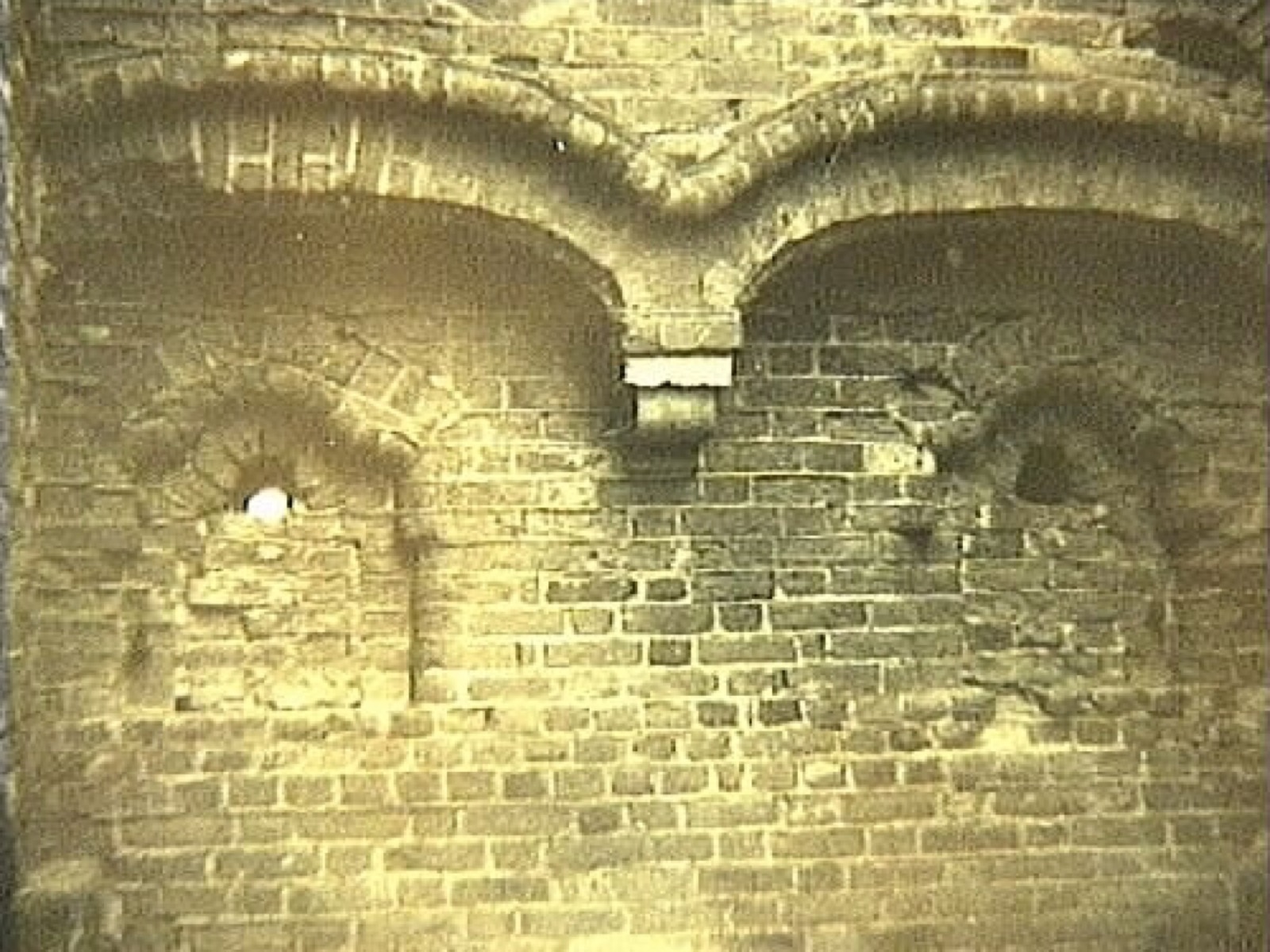
Uppsala Castle, exterior.
· Örebro County Museum (via Europeana)
Public domain
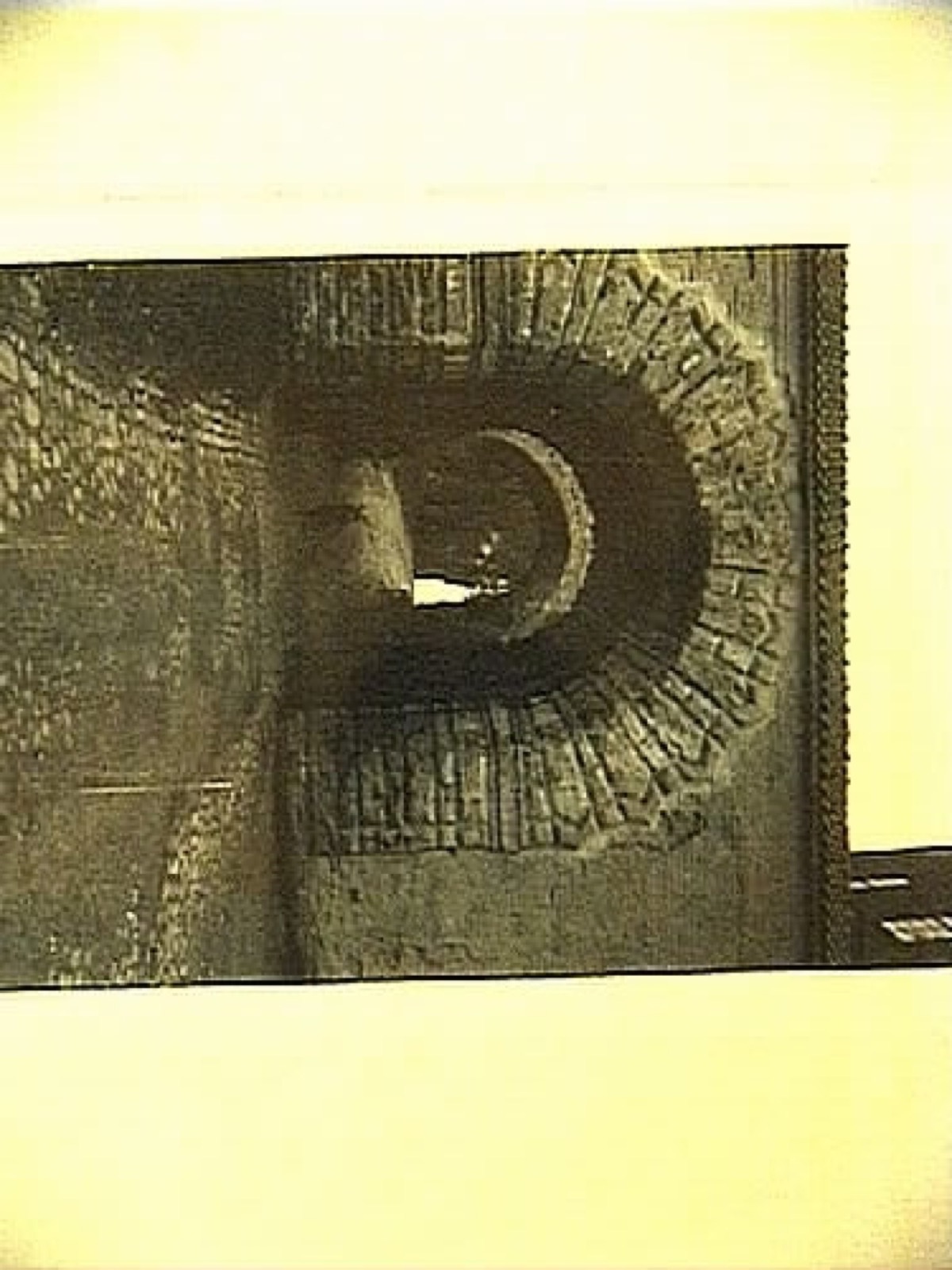
Uppsala slott, exteriör.
· Örebro County Museum (via Europeana)
Public domain
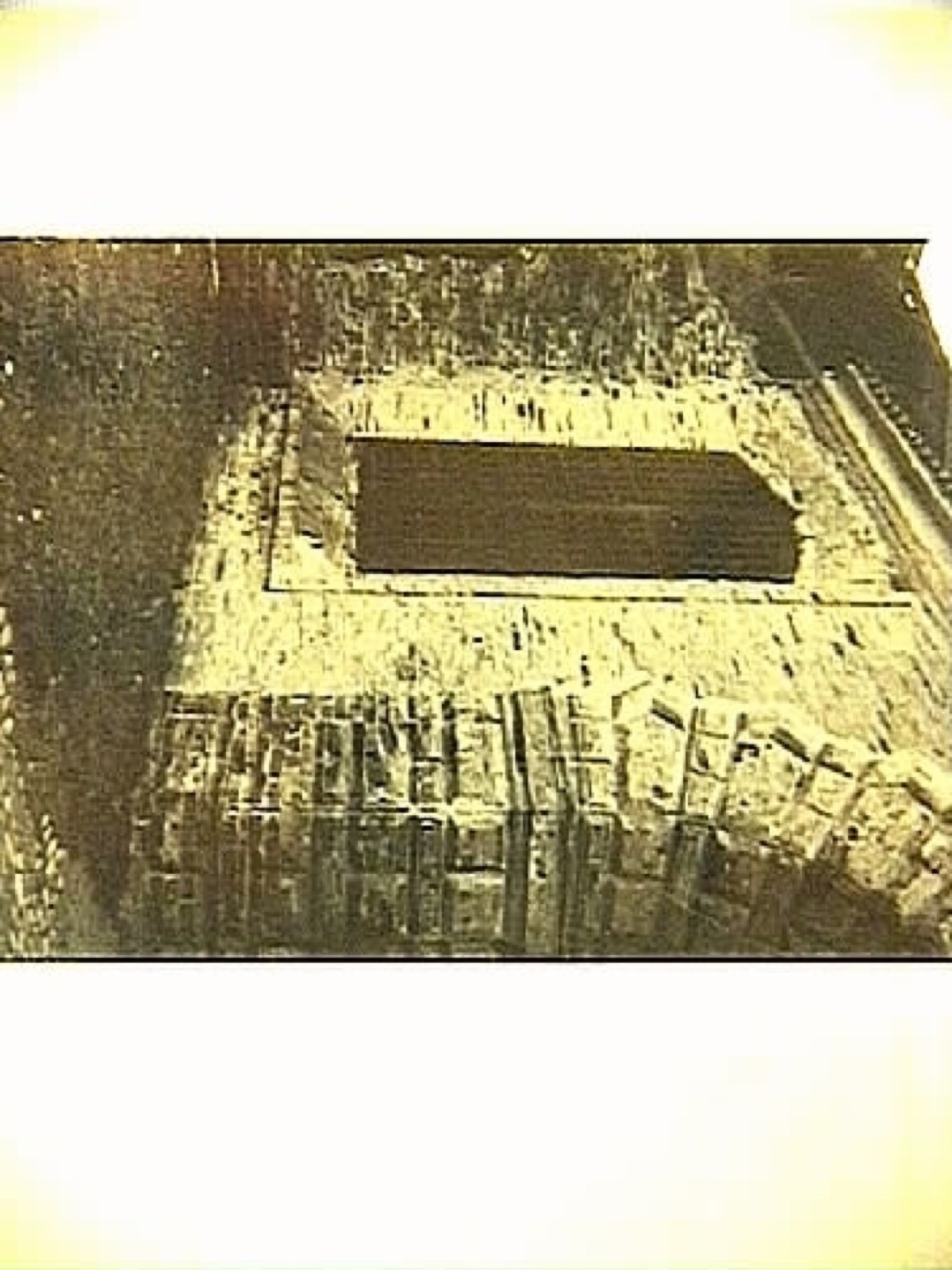
Uppsala slott, exteriör.
· Örebro County Museum (via Europeana)
Public domain
Nearby


