
Germany · Restored
Old Castle
Altes Schloss
The Old Palace (Altes Schloss) sits on Schillerplatz in Stuttgart and began as a water castle in the 10th century. It became the residence of the Counts and later Dukes of Württemberg and today houses the Landesmuseum Württemberg; the attached Schlosskirche still functions as a church.
First raised
950
Its prime
1578
Today
Restored
As it stood in 1578
What Old Castle looked like in its prime.
Rectangular four‑wing palace built of pale yellow sandstone with a steep red‑tile roofline and an open central courtyard; the main street facade is flanked by two large cylindrical corner towers with low conical roofs. Arcaded galleries open onto the inner courtyard, and a compact church with tall Gothic windows and a tower nestles against the palace’s rear wing. In prime condition the castle sits directly on a filled/partially watered approach area facing a broad urban square.
Its story
The story of Old Castle.
The Stud-Farm Legend and the Staufer-Era Excavations
Tradition credits Duke Liudolf of Swabia with building a castle in 950 to guard the stud farm, the "Stuotgarten", that gave Stuttgart its name. Excavations carried out up to 2012 found no archaeological trace of any such tenth-century structure, however. What they did uncover beneath the Old Castle's southern wing was a first castle, its double outer wall and two ditches still traceable, that probably dates instead from the second half of the twelfth or first half of the thirteenth century, the Staufer period. That first castle was not a princely residence: it apparently stood to guard and control a long-distance trade route crossing the Stuttgart valley, and was badly damaged by a flood, probably later in the thirteenth century.
Burg 2 and the Seat of the Counts of Württemberg, from Around 1300
The castle had passed to Count Eberhard I of Württemberg by 1292, and around 1300 building began on a successor stronghold, a timber beam from its wall dated by dendrochronology to between 1292 and 1312. Its walls were founded far deeper than before, and the whole building was turned some 45 degrees to face the flood-prone ground with a solid wall rather than a corner. This second castle became the main seat of the Counts of Württemberg and their Court Chamber in the first half of the fourteenth century, ringed by a deep moat.
Duke Christoph's Renaissance Rebuilding, from 1553
Between 1553 and 1578, Dukes Christoph and Louis III had the medieval castle rebuilt as a Renaissance palace under the architect Aberlin Tretsch, assisted by the young master builder Blasius Berwart, who is credited with an equestrian staircase. To make room for a new arcaded courtyard in front of the remodelled ducal apartments, roughly 60 per cent of the old castle's fabric, its whole north-western portion, was pulled down. The new wings included a Schlosskirche, consecrated in 1562. On the Schillerplatz side the floor level was raised by roughly six metres against flooding; on the opposite side, the old ground-floor state room, the Dürnitz, became a wine cellar and was used as one into the twentieth century. The surrounding moats were not filled in until the eighteenth century.
Fire, War, and Reconstruction, 1931–1971
Fire on the night of 21–22 December 1931 largely destroyed the Dürnitz wing and both of its towers. An architectural competition followed; its results, announced in 1933, awarded no first prize, though Paul Schmitthenner shared second place and went on to direct the rebuilding. Before that work was finished, the castle was badly damaged again during the Second World War, and large parts of the Landesmuseum Württemberg's folk-life collection were destroyed by fire in the process. Reconstruction, again led by Schmitthenner, did not begin until the mid-1960s and was completed in 1971.
The Königsgruft, the Stauffenberg Memorial, and the Landesmuseum Today
King Charles I of Württemberg and Queen Olga are buried in the royal vault beneath the Schlosskirche, alongside Duke Wilhelm Eugen, Duchess Vera and their son Karl Eugen. The courtyard holds an equestrian monument to Count Eberhard "im Bart", who became the first Duke of Württemberg in 1495 and made Stuttgart his residence. On the Karlsplatz side of the Old Castle, a memorial commemorates Claus von Stauffenberg, a former Stuttgart resident executed for his part in the 20 July 1944 attempt to kill Adolf Hitler. The Schlosskirche still holds services, and the Old Castle itself now houses the Landesmuseum Württemberg, standing beside its eighteenth-century successor, the New Castle.
Step inside
9 places to explore in 1578.
The record describes 9 distinct spots at Old Castle, including 6 interiors: arcaded courtyard (interior), inner courtyard with eberhard i monument (interior), blasius berwart equestrian staircase (interior/architectural) and more. Create your own photoreal reconstruction and explore every one, more scenes means more rooms, more angles, and more of the place to stand in.
Build Your Own Castle
Recreate Old Castle with AI to explore it.
The artist rebuilds it as it stood in 1578, a photoreal reconstruction that belongs to you alone. Pay with coins, no subscription needed.
Recreate this castle →Defend this castle →Whose castle
Clans who held Old Castle.
The families that held Old Castle for a decade or more across its history, follow a name to its clan.
Württemberg
Residence of the Counts, later Dukes, of Württemberg from the 14th century.
From the archive
Old Castle on paper: the measured plan and period views.
The survey plan and photographs below are the ground truth this page's reconstructions are checked against, drawn and photographed while the castle was still a working garrison. Every image is public-domain or openly licensed, with its source named.
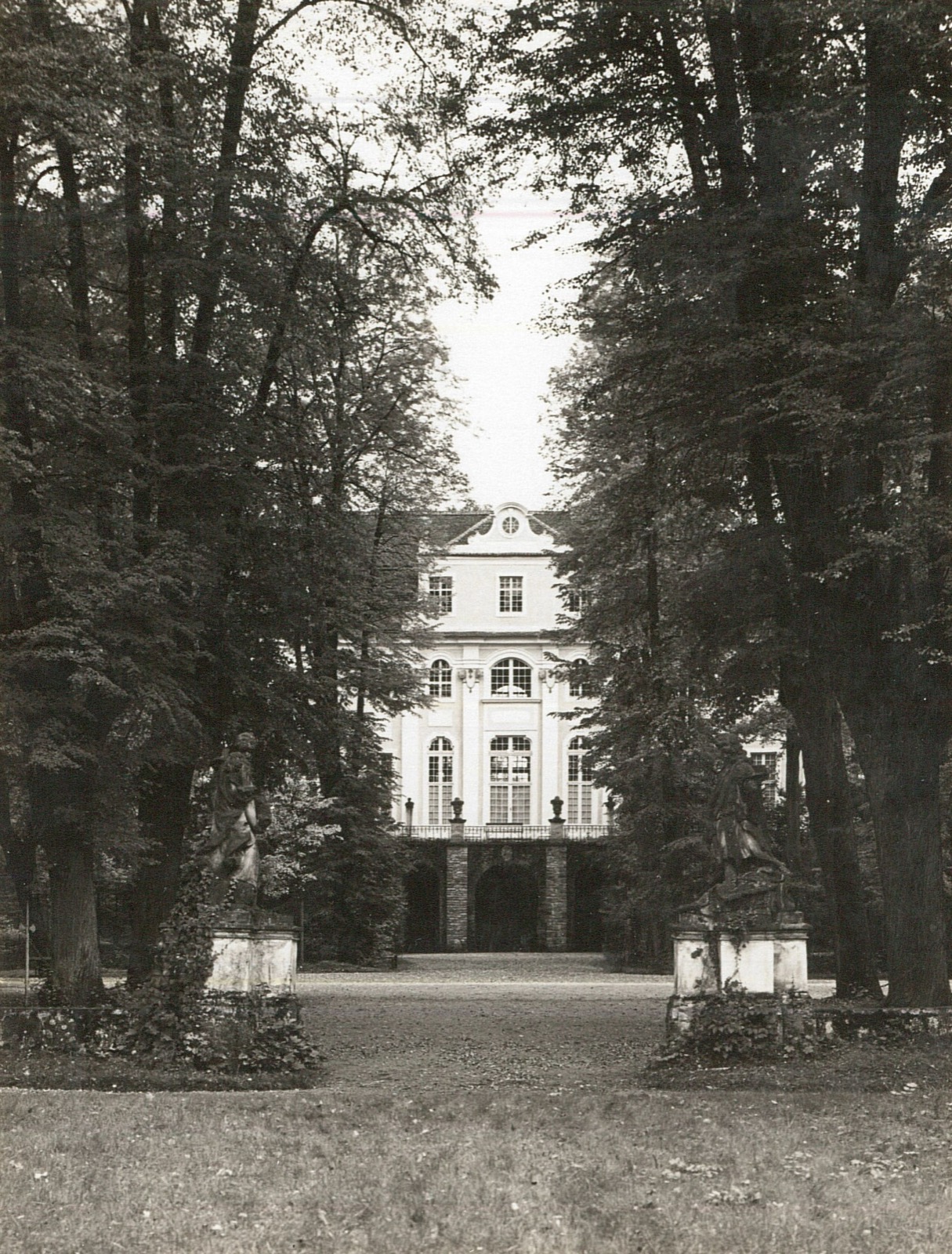
Old castle
· Deutsche Fotothek (via Europeana)
CC BY-SA
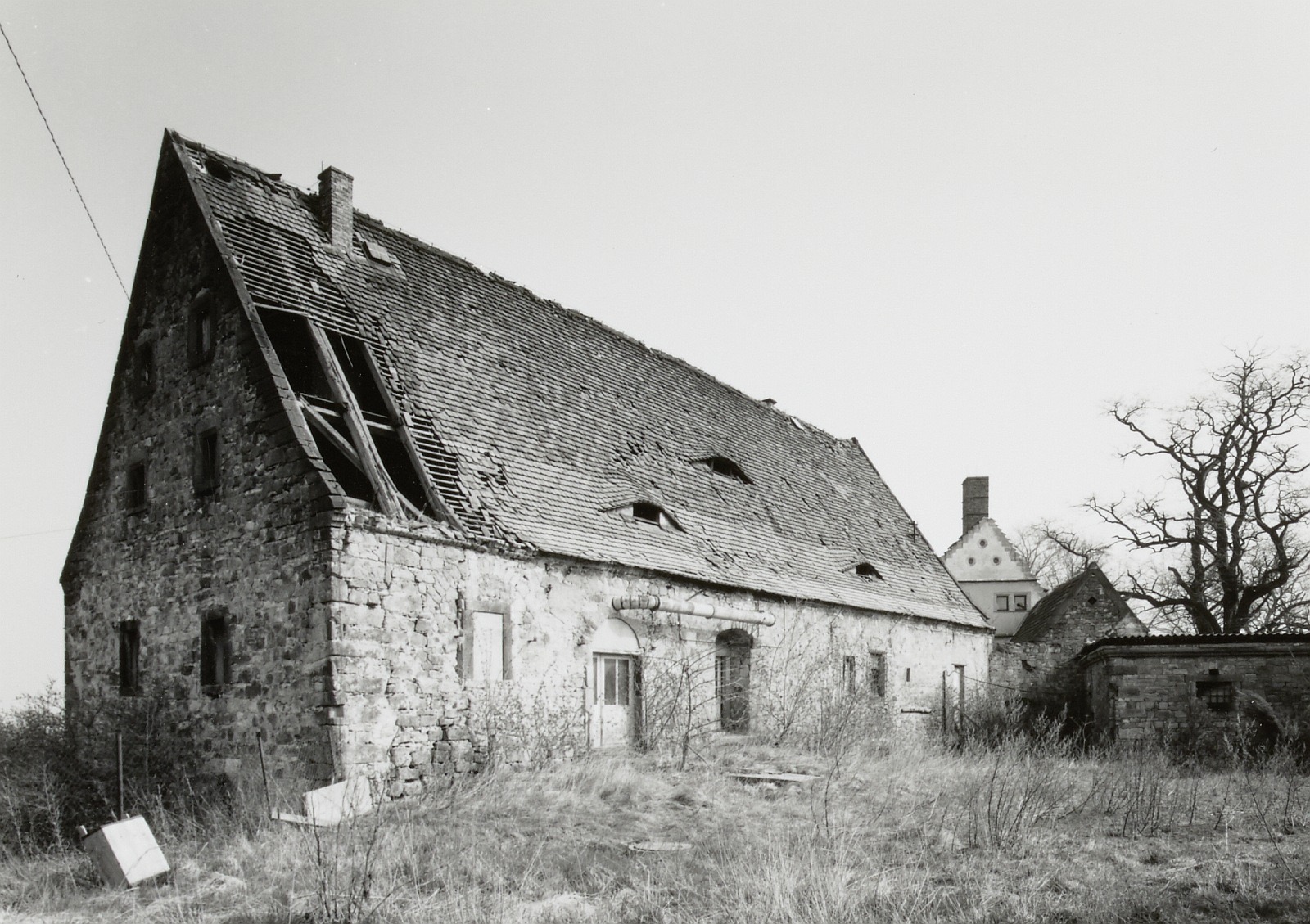
Altes Schloß
· Deutsche Fotothek (via Europeana)
CC BY-SA
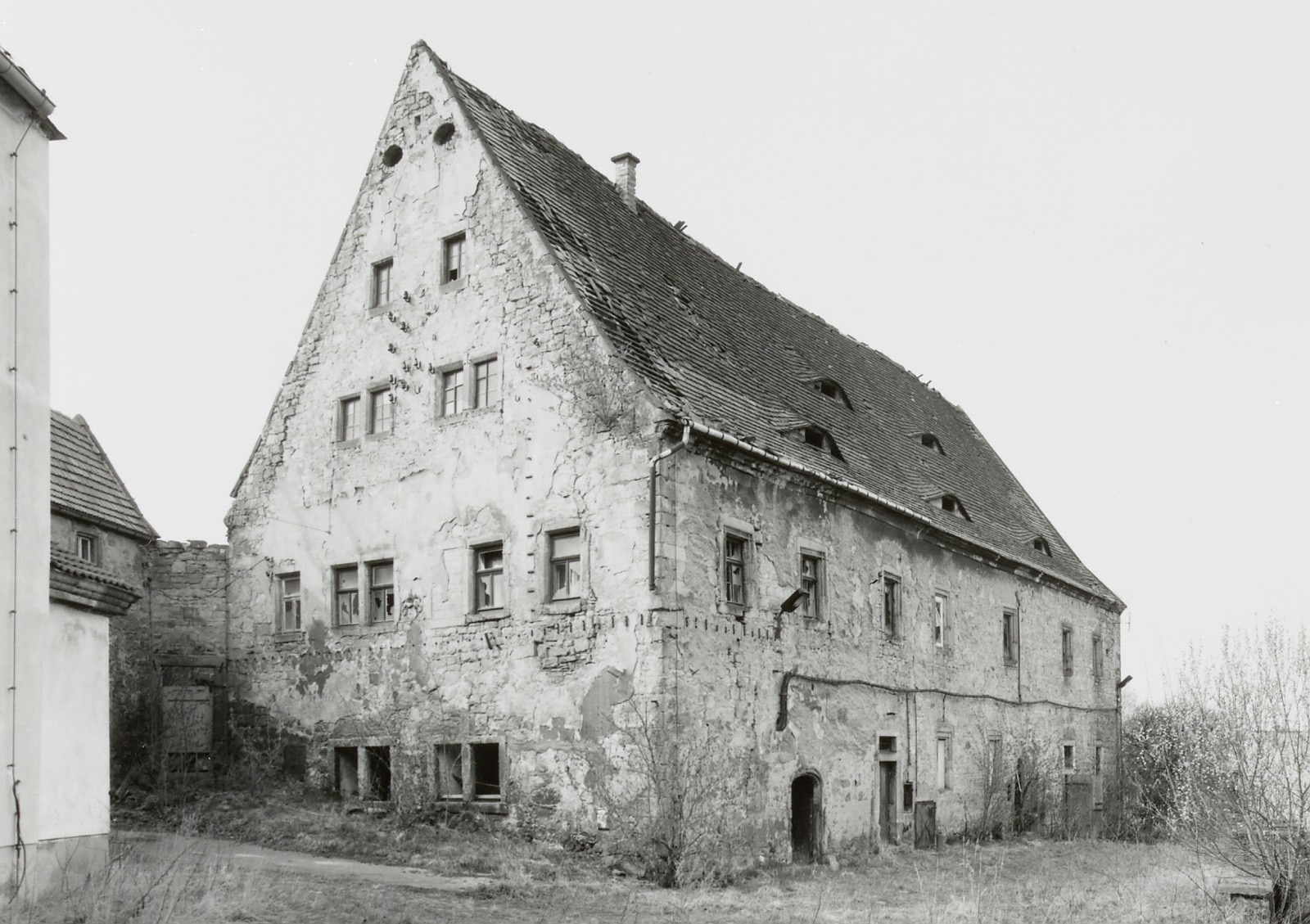
Old castle
· Deutsche Fotothek (via Europeana)
CC BY-SA


