Norway · Partial ruin
Sverresborg
Sion
Sverresborg was a medieval stone fort and royal residence built by King Sverre Sigurdsson on a prominent rock hill just south of the medieval city of Nidaros (now Trondheim) in the late 12th century. It formed a defended strongpoint during the civil wars and later fell into disuse; the site is now part of the Sverresborg Trøndelag Folk Museum.
First raised
1182
Its prime
1184
Today
Partial ruin
As it stood in 1184
What Sverresborg looked like in its prime.
Perched atop a steep, glacially-carved rock outcrop, Sverresborg in its prime was a compact stone fortification hugging the irregular summit. Low grey quarried-stone curtain walls followed the crag’s edges, enclosing a small courtyard and a handful of stone-built service and residential structures with simple pitched roofs. The hill dropped away steeply on most sides, giving the fort a dominant, isolated silhouette above the surrounding plain and the approaches to the city.
Its story
The story of Sverresborg.
Sverre and the Birkebeins in Trøndelag, 1177–1182
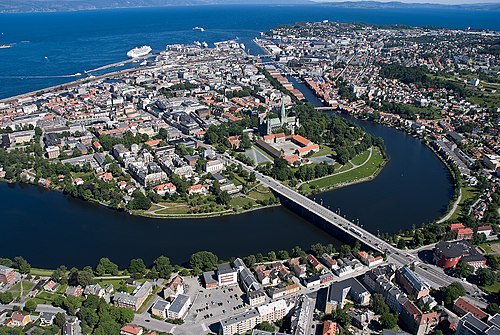
Defence of the city that became Trondheim, and the choice of the castle's site, turned on three features of the ground. The city sits on a peninsula bordered to the east and south by the river Nidelva and to the north by the Trondheimsfjord; the neck joining the peninsula to the mainland is narrow and could be fortified without difficulty; and a glacially carved rock hill immediately to the south dominates the town and offers a site easily held. That hill would carry Sverresborg.
In 1177 Sverre Sigurdsson led the rebel Birkebeiner forces into Trøndelag and was hailed king at Øretinget, the assembly for the region. The moment carried weight beyond the acclamation itself, because new Norwegian kings had traditionally been elected there. The Birkebeins then moved south and wintered in Østerdalen. Returning the following spring, they attacked Nidaros and were beaten, falling back southwards until they met and defeated the army of the reigning King Magnus Erlingsson at Ringerike. Encouraged, they turned north again and remained in Nidaros through the winter of 1178. Magnus came with his army in the spring of 1179, and on 19 June the two forces met at the Battle of Kalvskinnet, a clear victory for Sverre that secured his grip on Trøndelag.
Magnus attacked Trøndelag again in the spring of 1180. Sverre held the region from Nidaros, then protected by wooden palisades running from the river to the fjord across the neck of the peninsula, and the Heklungs were defeated once more at the Battle of Ilevollene just outside the town. A further meeting in 1181, the Battle of Nordnes at Bergen, brought Sverre a minor victory; but Magnus exploited his absence from Trøndelag to raid and burn the Birkebeiner fleet lying there that November, and Sverre was forced to return or risk losing his one secure foothold. In the summer of 1182 Magnus attempted to take Nidaros by siege and was repulsed with grave losses when the Birkebeins launched a surprise night attack.
Stone from the Cathedral Quarry, 1182–1184
In the winter of 1182 into 1183 Sverre began work on Sverresborg, one of the earliest Norwegian fortresses, wanting a more secure and more easily defended base to live and operate from. The place he chose was easily fortified, hard to approach and could be defended by a small force. The stone lay only 0.6 km away, in the quarry that had been worked for the cathedral at Nidaros. Since the Archbishop of Nidaros had aligned himself with King Magnus and was in exile in England from 1180 to 1183, the cathedral's stonemasons were available as well.
Work went quickly, and Sverre moved out to the castle with a detachment of his men during Lent in 1183. The sea Battle of Fimreite the following year proved to be the final struggle between the Birkebeins and the Heklunger; King Magnus drowned, and after six years of fighting Sverre was the uncontested king of Norway. The peace was not to last long.
Burnt in 1188, and the Walls Broken Down in 1263
In 1188 Nidaros, which King Sverre's men had vacated, was attacked. His opponents stormed into the city and a bloodbath followed. The wooden fortress was torn down, and the castle was burnt and left in ruins.
When it was rebuilt is not precisely known, but the Sverris saga indicates that the castle was standing again by 1197, since it records a battle there in that year. During the fighting a dead man was thrown into the only well that supplied Sverresborg with drinking water. The act is thought to have been the work of the Baglers, intended to poison the water and make the castle uninhabitable.
King Sverre died at Bergen on 8 March 1202, having ruled Norway since 1184. Sverresborg is last mentioned in the time of his paternal grandson, King Haakon Haakonson, in 1263, when the king allowed its walls to be broken down.
The Folk Museum and the Man in the Well
The stone fort later fell into disuse, and the hill now forms part of the Sverresborg Trøndelag Folk Museum, an open-air museum for the region of Trøndelag and one of the largest cultural history museums in Norway, with more than 60 buildings on the site covering a broad ethnological range. The ruin lies in Trondheim municipality, is operated by the Norwegian state and is protected under Norway's cultural heritage preservation.
Excavations in 1938 found a skeleton in the filled-in well, thought to date from the battle of 1197 recorded in the Sverris saga. Most of the remains were not recovered until 2016. In 2024 the skeleton was identified as a man who had been injured and had died shortly before he was placed in the well: in his late thirties or forties, around 180 cm tall and of sturdy build, with a lung condition and spinal problems, possibly tuberculosis. DNA sequencing from a tooth placed his origin in Agder in southern Norway and identified him as blond with blue eyes.
Step inside
6 places to explore in 1184.
The record describes 6 distinct spots at Sverresborg, including 2 interiors: the castle well, residence/great hall interior. Create your own photoreal reconstruction and explore every one, more scenes means more rooms, more angles, and more of the place to stand in.
Build Your Own Castle
Recreate Sverresborg with AI to explore it.
The artist rebuilds it as it stood in 1184, a photoreal reconstruction that belongs to you alone. Pay with coins, no subscription needed.
Recreate this castle →Defend this castle →From the archive
Sverresborg on paper: the measured plan and period views.
The survey plan and photographs below are the ground truth this page's reconstructions are checked against, drawn and photographed while the castle was still a working garrison. Every image is public-domain or openly licensed, with its source named.
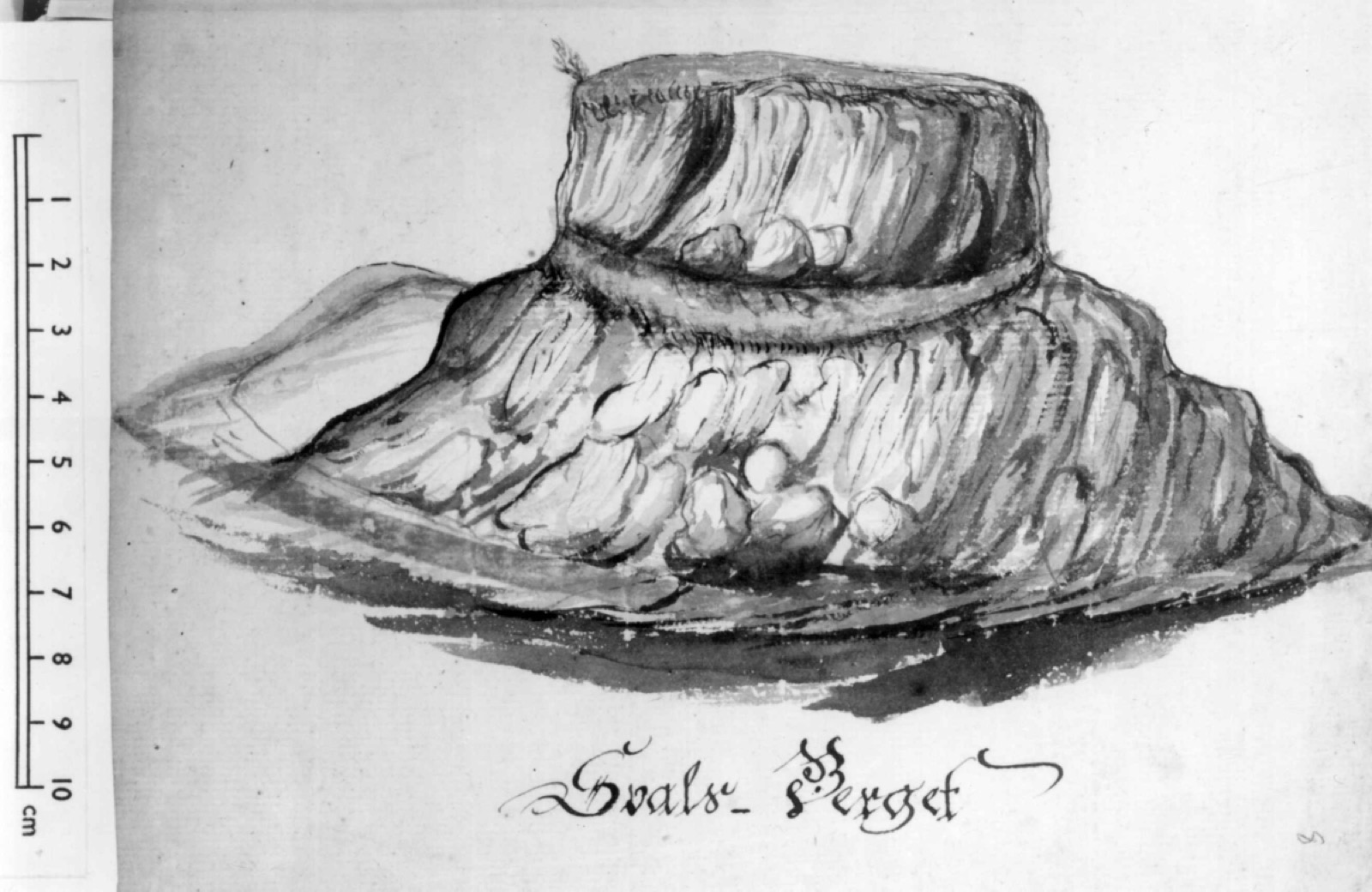
Sverresborg
· The Norwegian Museum of Cultural History (via Europeana)
Public domain
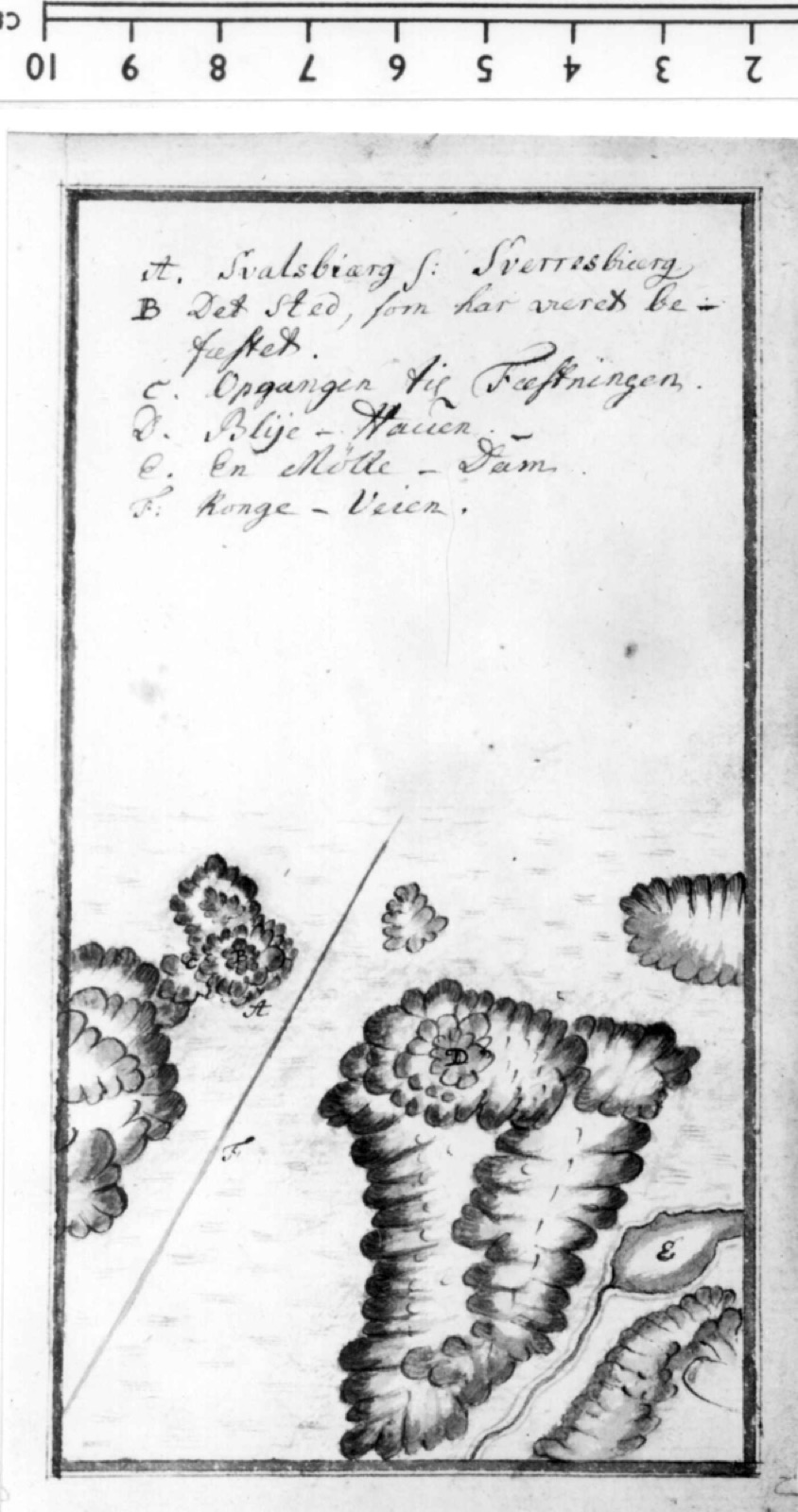
Sverresborg
· The Norwegian Museum of Cultural History (via Europeana)
Public domain

Questions about Sverresborg
What is the history of Sverresborg?
Why was Sverresborg built, and what was it used for?
What is inside Sverresborg?
Where is Sverresborg?
When was Sverresborg built?
Was Sverresborg ever attacked or besieged?
What did Sverresborg look like in its prime?
Is Sverresborg still standing, or is it a ruin?
Can you visit Sverresborg?
More castles of Norway


Explore the city